
Cart (0)
BREEAM Infrastructure: 10 Dock Facility submarine dockyard excellence
Babcock International Group’s redevelopment of the 10 Dock facility at Devonport Royal Dockyard has earned a BREEAM Infrastructure Excellent rating of 90.59% at Strategy and Interim Design Assessment — scoring the maximum 100% in Resilience, Land use and ecology, Landscape and historic environment, and Pollution, and exceeding the Ministry of Defence’s Very Good target.
Overview
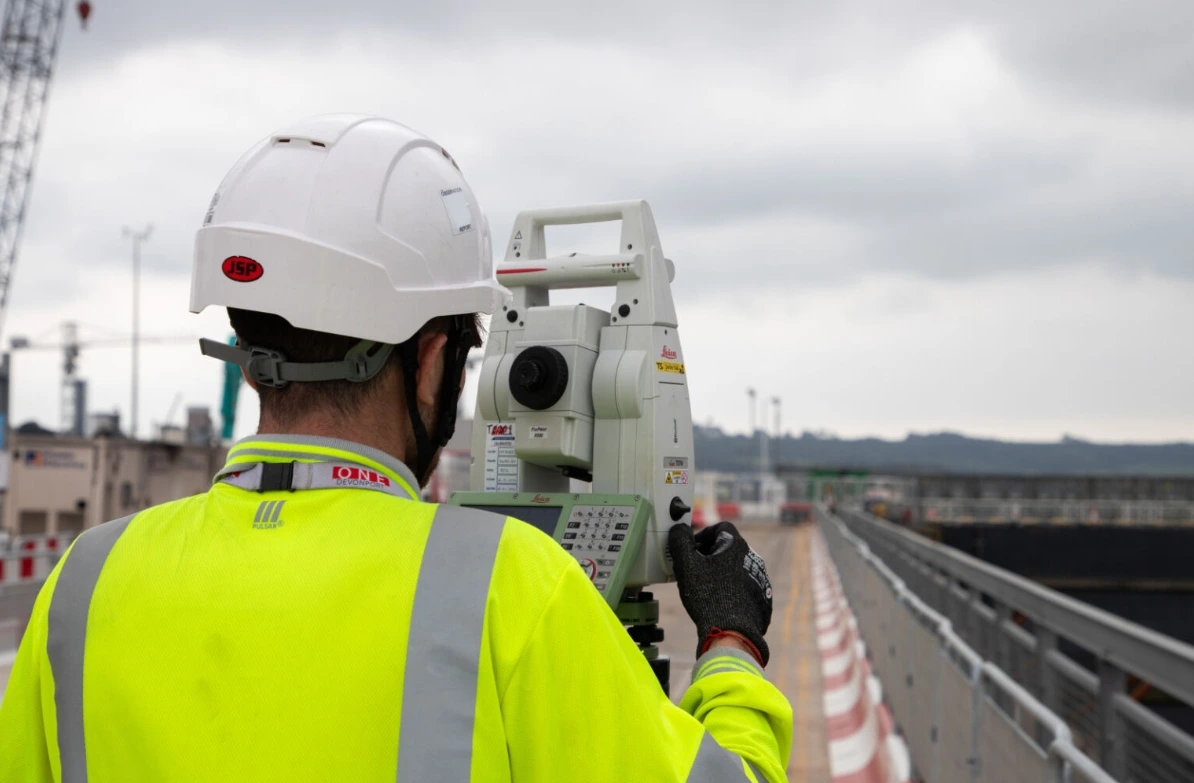
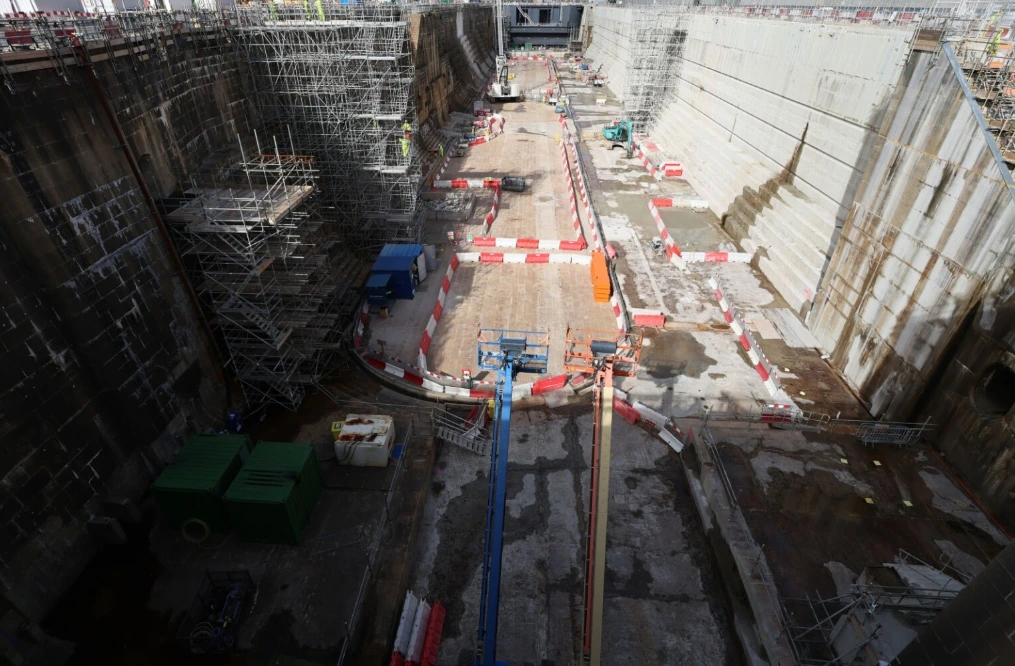
Babcock International Group is redeveloping the 10 Dock facility and surrounding dockside land at Devonport Royal Dockyard in Plymouth. When complete, the facility will provide enhanced, modern infrastructure for the maintenance of existing and new classes of submarine. The scope includes major upgrades to the dock itself, alongside the installation of cranes and dockside facilities.
The team delivered an Excellent rating at Strategy and Interim Design Assessment. The result rewards a systematic approach to sustainability, with carbon management, resource efficiency, ecological protection and social value embedded into decision-making from the outset.
About
The Ministry of Defence is the client. Babcock International Group operates Devonport Royal Dockyard and is the principal designer. The assessment was carried out against BREEAM Infrastructure Version 6 for Projects by BREEAM Infrastructure assessors from Babcock’s Delivery Partner CosMott (a joint venture between Costain and Mott MacDonald), with independent verification by Bruce Goldring.
Background
Babcock International Group is one of the largest employers in Plymouth and the wider south-west of England. The 10 Dock facility will play a central role in supporting the long-term maintenance of the UK’s submarine fleet. Redevelopment is needed to modernise the dock and surrounding facilities so they can accommodate current and future submarine classes.
The Ministry of Defence set an expectation of a BREEAM Infrastructure Very Good rating. The Interim award of Excellent exceeds that target and reflects a strong commitment to delivering a project that minimises environmental impact, enhances social value and promotes long-term resilience. The team adopted best-practice guidance from the outset and worked consistently toward the sustainability goals set for the project.
Challenges
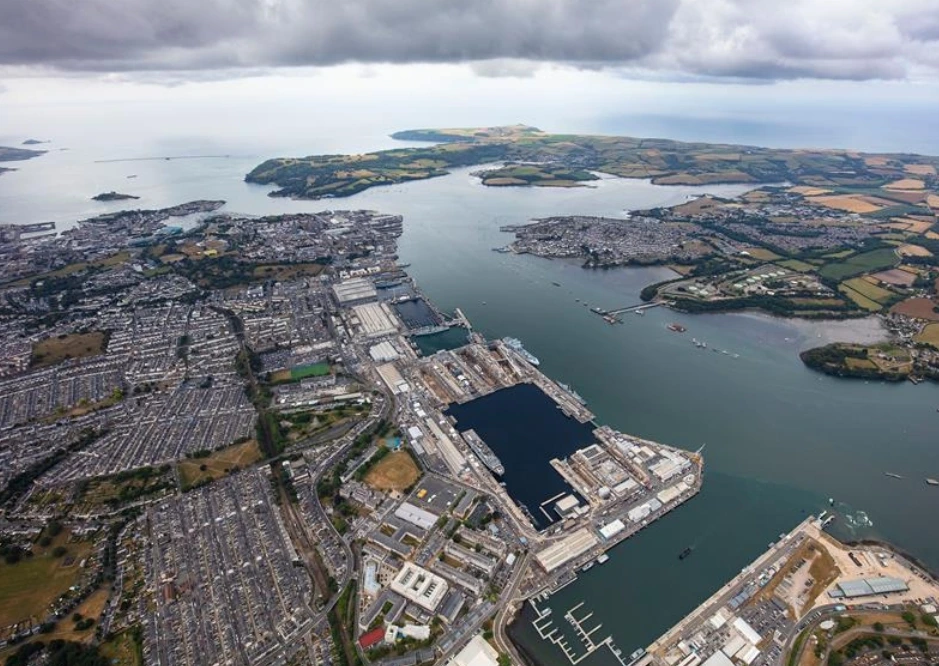
The 10 Dock site sits within the wider Devonport Royal Dockyard, creating a demanding set of design and access constraints. As a site within a site, the project has a limited operating area and has to be mindful both of neighbouring dockyard activities and of the residential community beyond the dockyard boundary. The response has been strong investment in community engagement, volunteering and social value — recognised with a Bronze award in the Considerate Constructors Scheme National Awards 2025. Ecological protection is a second constraint. 10 Dock sits on the tidal River Tamar, a highly sensitive and protected site, adjacent to the Plymouth Sound and Estuaries Special Area of Conservation and close to the Tamar Estuaries Complex Special Protection Area. Marine noise surveys, pollution prevention measures and detailed ecological monitoring have all been put in place. Nesting birds have been a particular focus, with a site-wide bird management plan, a dedicated gull nesting mitigation zone on the 10 Dock site office roof, and exclusion zones for peregrine falcons and oystercatchers.
Solutions
The team used the BREEAM Infrastructure framework to embed sustainability into decision-making from the outset, with clear ownership from leadership and integration across design, procurement and delivery. Key measures included:
- Adoption of PAS 2080 across the project, supported by a Project Carbon Reduction Plan that sets out the carbon management approach, targets, whole-life carbon assessment methodology and reduction opportunities.
- Monthly opportunity-identification meetings drawing together the sustainability team, designers and contractors, with a clear process for tracking and realising carbon and wider sustainability improvements.
- A Project Environmental Strategy aligned with Babcock’s ISO 14001-certified environmental management system, shared with design teams and supported by training to embed requirements into their deliverables.
- Sustainability tender questions embedded across all contracts, bringing procurement into the sustainability programme and allowing opportunities to be captured from the point of appointment.
- A Resources Management Plan giving structure to resource efficiency requirements for subcontractors, with construction-stage dashboard reporting covering water, energy, plant fuel emissions, transport emissions, material types and quantities, waste and sustainable procurement data.
- Planned use of low-carbon reinforced steel, low-carbon concrete in temporary works, and an on-site concrete batching plant to reduce waste.
- An Employment and Skills Plan, environmental volunteering in community outdoor spaces and a staff sustainable travel plan — embedding social value alongside technical sustainability measures.
Benefits
The Strategy and Interim Design Assessment delivered strong outcomes across the full scorecard, positioning the project for further sustainability gains through construction:
- BREEAM Infrastructure Excellent rating at 90.59%, exceeding the Ministry of Defence’s Very Good target.
- Maximum 100% scores in four of the eight categories: Resilience, Land use and ecology, Landscape and historic environment, and Pollution. Strong performance of 92.27% in Communities and stakeholders and 91.33% in Transport.
- Carbon management embedded from design stage through PAS 2080 and a Project Carbon Reduction Plan, positioning the project for further carbon reduction through construction.
- Sustainability embedded contractually, with tender questions cascading sustainability obligations to subcontractors and suppliers.
- Ecological sensitivity actively managed adjacent to the Plymouth Sound and Estuaries SAC and Tamar Estuaries Complex SPA.
- An industry-facing Low Carbon Concrete in Temporary Works Design Guide developed by the project carbon team, addressing a recognised gap in low-carbon guidance for temporary works. The guide has been shared at the Temporary Works Forum quarterly meeting and is being donated to the Forum for release as official industry guidance.
- Social value delivered through community support, volunteering, mentoring, apprenticeship and work experience, and a staff sustainable travel plan — recognised with a Bronze Considerate Constructors Scheme National Award 2025.
Summary
Client:
Ministry of Defence
Designer:
Babcock
Assessor:
Yasmin Spain (Costain Ltd); Ceri Jones and Katharine Mason (Mott MacDonald Ltd)
Verifier:
Bruce Goldring, Independent Sustainability Advisor
BREEAM Infrastructure rating:
Excellent (90.59%) — Strategy & Interim Design
Browse more from our latest case studies:
Case Study
BREEAM Infrastructure: 10 Dock Facility submarine dockyard excellence
Case Study
BREEAM Infrastructure: Hove Hensetting rail stabling excellence
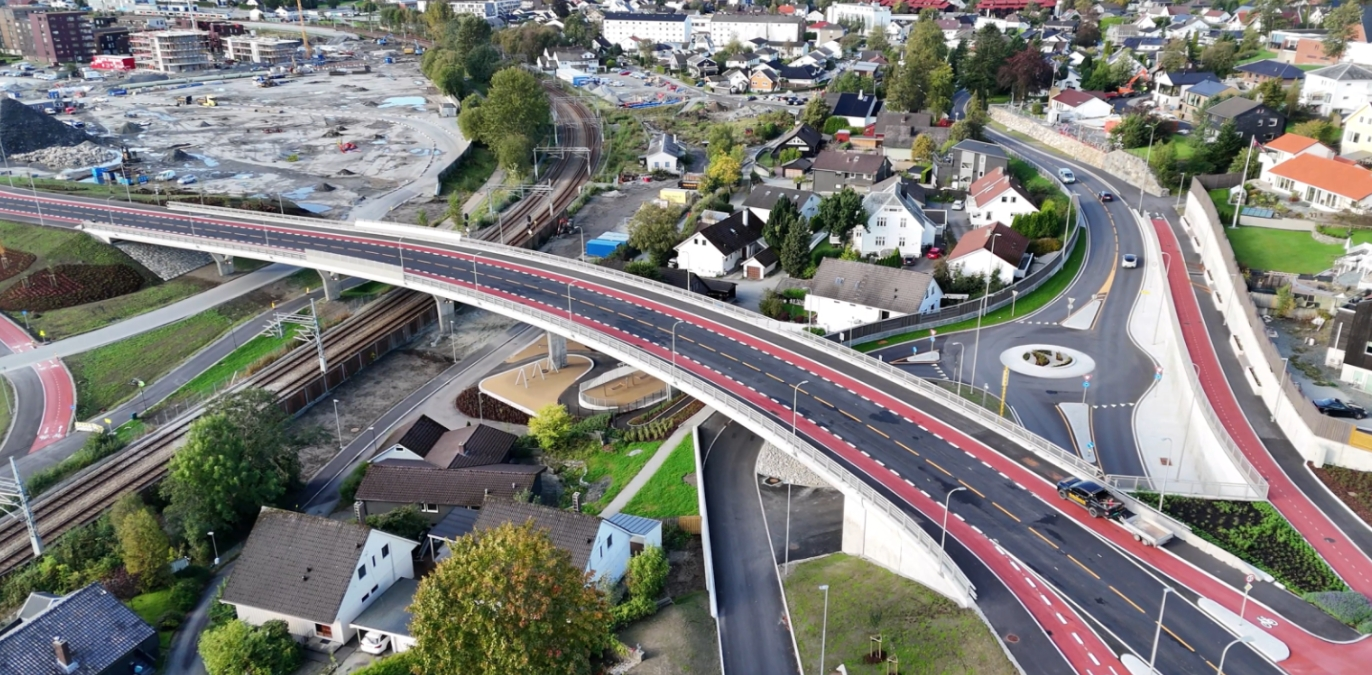
Case Study
BREEAM Infrastructure: Fv.44 Bussveien sustainable urban busway
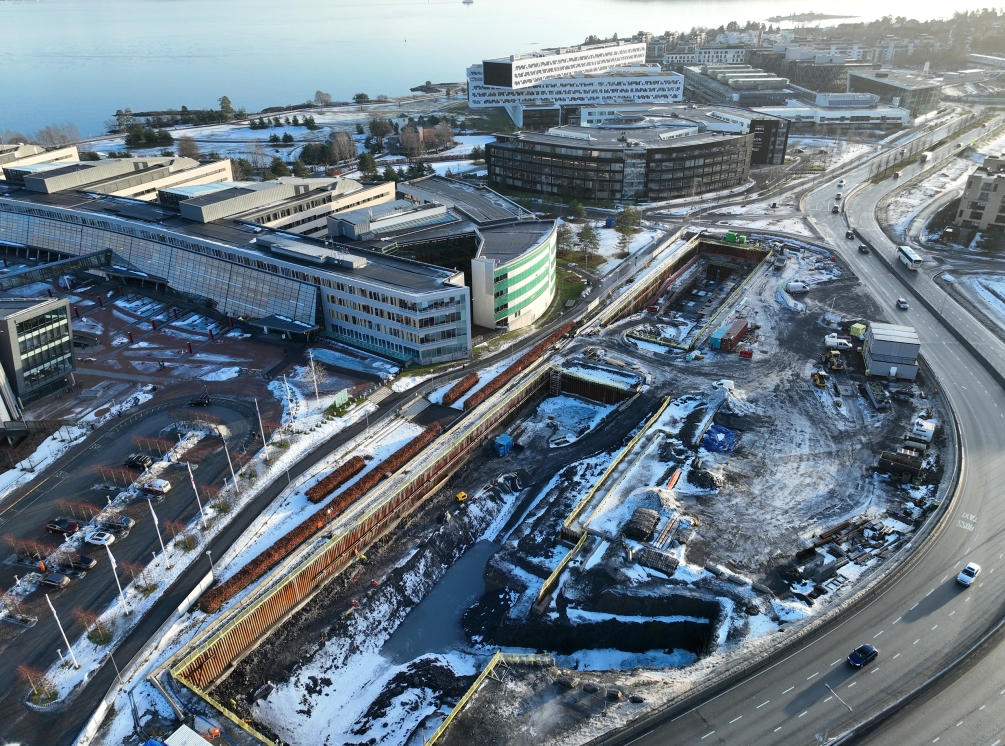
Case Study
BREEAM Infrastructure: Oslo’s sustainable tunnelling excellence
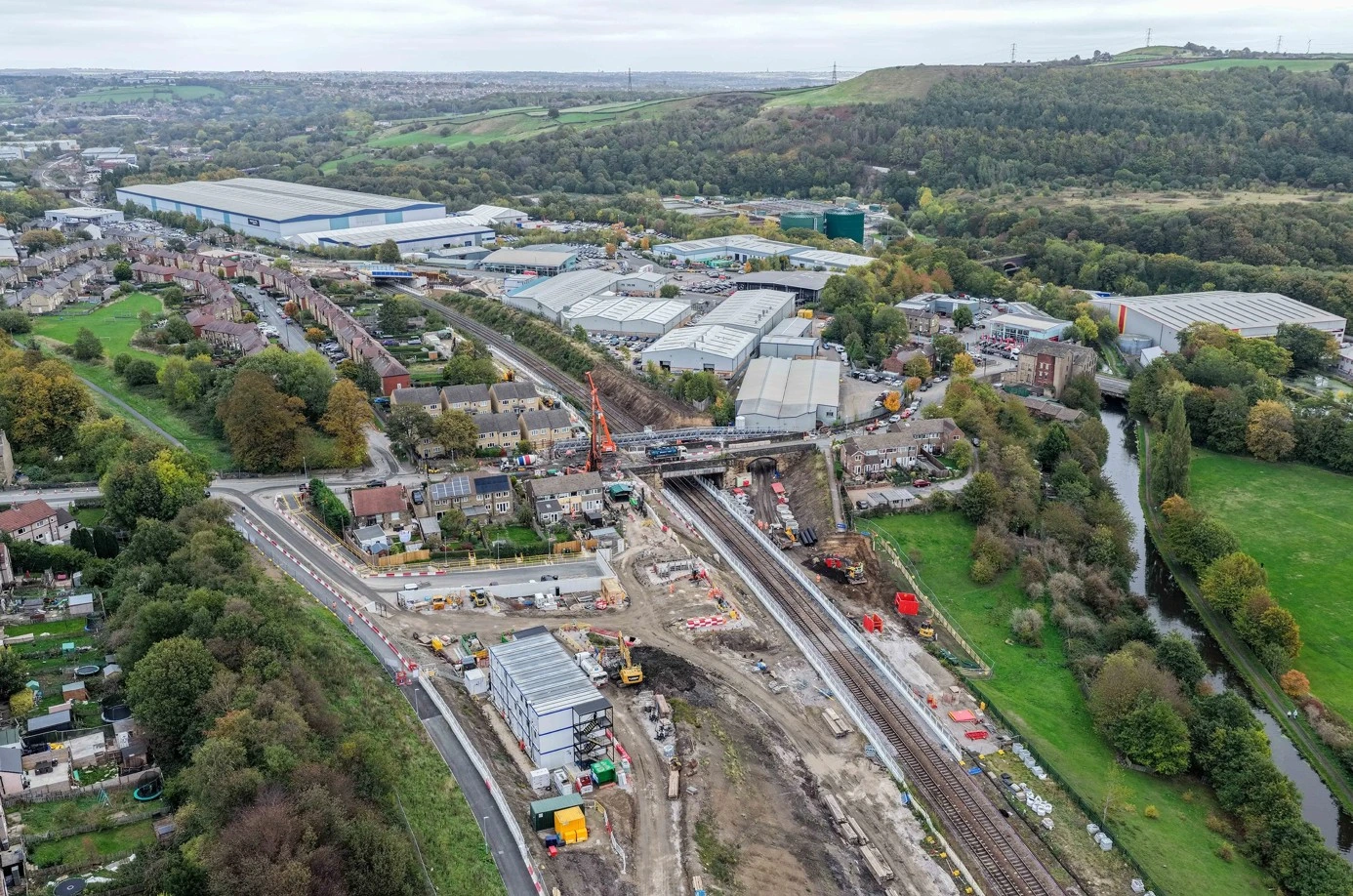
Case Study
Transpennine Route Upgrade (TRU) Programme BREEAM Infrastructure
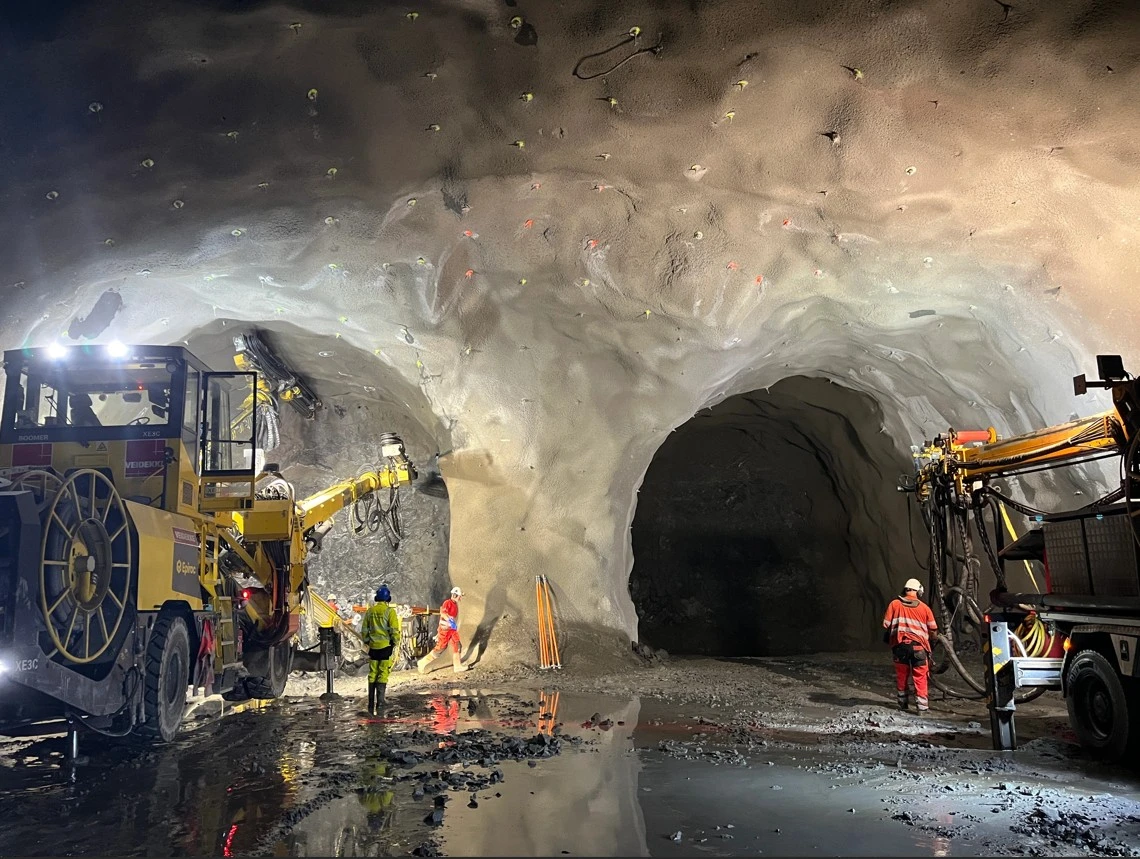
Case Study
BREEAM Infrastructure K2B tunnel Fornebubanen excellence
Case Study
BREEAM Infrastructure Rv. 3 Tunna bru road improvement

Case Study