
Cart (0)
BREEAM Infrastructure K2B tunnel Fornebubanen excellence
Overview
K2B Tunnel achieved BREEAM Infrastructure Excellent certification (76.13%), demonstrating how complex underground metro projects can deliver exceptional sustainability outcomes in sensitive urban environments. This 2.5-kilometre tunnel project by Veidekke for Fornebubanen achieved 96% waste diversion from landfill and 66% zero-emission machinery operation while protecting the environmentally significant Lysaker River and maintaining community relations in a busy business district.
About
Veidekke Entreprenør AS is one of Norway's leading construction companies, specialising in infrastructure projects and sustainable construction practices. With extensive experience in tunnel construction and urban development, Veidekke has built a reputation for delivering complex projects while maintaining high environmental and safety standards. Fornebubanen is the organisation responsible for developing the new metro line connecting Oslo and Bærum municipality, representing a significant expansion of the existing public transport network toward Fornebu.
Background
The Fornebubanen project represents a major expansion of Oslo's metro network, designed to enhance connectivity between the capital and Bærum municipality in the direction of Fornebu. This strategic infrastructure investment supports regional development while promoting sustainable public transport alternatives. The K2B section specifically involves complex rock excavation to establish a 2.5-kilometre tunnel beneath the Lysaker area, including crosscuts and shafts for future station buildings.
The project location presented unique challenges, situated in Lysaker's dense business district adjacent to the environmentally sensitive Lysaker River. The tunnel alignment required excavation directly beneath the riverbed, demanding exceptional environmental protection measures. The area's significance as a connecting hub and business centre meant that community relations and stakeholder management became critical project elements throughout the construction period.
Challenges
The project faced significant environmental and logistical challenges that required innovative solutions and careful management. The proximity to the Lysaker River, an area of considerable natural value, demanded strict environmental protection throughout construction activities. Tunnel excavation beneath the riverbed presented particular risks, requiring sophisticated injection procedures to ensure both construction safety and environmental protection.
Working in a dense urban business environment created ongoing stakeholder management challenges. The project team needed to maintain positive community relations while managing construction impacts including noise, dust, and vibrations affecting local businesses and residents. The high-profile location demanded comprehensive communication strategies and robust mitigation measures to minimise disruption.
Technical challenges included strict water ingress requirements that necessitated advanced tunnelling techniques. The project team needed to balance efficiency and cost-effectiveness with environmental protection and community impact mitigation, all while delivering the complex underground infrastructure required for future metro operations.


Solutions
BREEAM Infrastructure provided the framework for addressing these multifaceted challenges through systematic sustainability integration. The certification process encouraged the project team to shift focus from purely risk-based thinking to opportunity identification, fostering innovation and collaborative problem-solving approaches.
Environmental protection became central to the project strategy through systematic grouting and continuous monitoring techniques for groundwater impact management. This approach eliminated the need for waterproof concrete, resulting in significant material savings while ensuring environmental protection. The technique proved robust enough to manage strict water ingress requirements while protecting the sensitive river environment.
Community engagement strategies included comprehensive stakeholder communication through multiple channels, regular informational meetings, and structured feedback systems. Mitigation measures for noise, dust, and vibrations were implemented systematically, maintaining positive relationships with local businesses and residents throughout the construction period.
Sustainability integration focused on zero-emission machinery deployment, achieving 66% of operational hours using zero-emission equipment. The complete transition to HVO (Hydrotreated Vegetable Oil) fuel delivered a 63% reduction in CO₂ emissions compared to fossil diesel. Electric tower crane implementation resulted in an estimated saving of 370 driving hours, further reducing project emissions.
I would like to congratulate Veidekke immensely for their effort in achieving an 'Excellent' rating in the BREEAM certification for the K2B contract! The client, advisor, and contractor have collectively elevated this tunnel section of the Fornebubanen into a sustainability project of very high standards. A great deal of excellent work was completed in the early planning phase to achieve such a high rating. The work on the tunnel between Lysaker and Vækerø has been challenging, considering the dense development close to the site and the need to preserve important natural values in the Lysaker River. I would particularly like to highlight the excellent cooperation between Veidekke and Fornebubanen in achieving a well-sealed tunnel through injection. Skilled professionals on both sides have made this an extremely successful project. The work has been executed very well and systematically, both in terms of planning, setting requirements, and monitoring sustainability standards.
Benefits
The project delivered exceptional sustainability outcomes through its comprehensive BREEAM Infrastructure approach. The 96% waste diversion rate from landfill, totalling 8,638 tonnes of construction and demolition materials, demonstrates effective resource management in urban construction environments. Complete adoption of HVO fuel achieved substantial carbon emission reductions while maintaining operational efficiency.
Construction steel reuse both on-site and in other projects delivered direct material cost savings while reducing environmental impact. Strategic material planning prior to ordering minimised waste generation and reduced procurement costs. Energy consumption reductions were achieved through systematic efficiency measures and electric equipment deployment.
The project's approach to tunnel sealing through systematic grouting techniques eliminated waterproof concrete requirements, delivering significant concrete use reductions while achieving superior environmental protection. This innovation provides a replicable model for future tunnel projects in sensitive environments.
Enhanced stakeholder relationships resulted from proactive community engagement and transparent communication strategies. The project demonstrated that complex urban infrastructure can be delivered while maintaining positive community relations and protecting sensitive environmental assets. The collaborative approach between Veidekke and Fornebubanen created a model for successful client-contractor partnership in challenging urban environments.
The BREEAM Infrastructure certification provided objective measurement of sustainability performance, supporting both organisational learning and external validation of project achievements. The comprehensive documentation process ensured all sustainability considerations were recorded and verified by independent third parties.
Summary
Project
K2B - Tunnel and groundworks Lysaker-Vækerø
Client:
Fornebubanen
Contractor:
Veidekke Entreprenør AS
Assessor:
Ploy Chutigan, Veidekke Entreprenør AS
Verifier:
Nigel Sagar, Independent Sustainability Advisor
BREEAM Infrastructure Rating:
Excellent (76.13%)
Assessment:
Projects, Version 6 for Construction
Certificate Number:
BIA 954
Date of Issue:
2 July 2025
Category Performance:
- Management: 96.10%
- Resilience: 100.0%
- Communities and stakeholders: 100.0%
- Land use and ecology: 84.40%
- Landscape and historic environment: 100.0%
- Pollution: 94.84%
- Resources: 52.95%
- Transport: 78.21%
Key Achievements:
- 96% waste diversion from landfill (8,638 tonnes)
- 66% of operational hours using zero-emission machinery
- 63% CO₂ emission reduction through
- 100% HVO fuel adoption
- 370 driving hours saved through electric tower crane implementation
- Perfect scores (100%) in resilience, communities and stakeholders, and landscape categories
- Innovative systematic grouting eliminating waterproof concrete requirements
- Comprehensive stakeholder engagement and environmental protection
Innovation Highlights:
- Systematic grouting and continuous monitoring for groundwater management
- Complete HVO fuel adoption across construction operations
- Extensive zero-emission machinery deployment
- Construction steel reuse programme across multiple projects
- Advanced injection procedures for river bed tunnel construction
- Comprehensive community engagement and feedback systems
- Electric equipment integration reducing operational emissions
Browse more from our latest case studies:
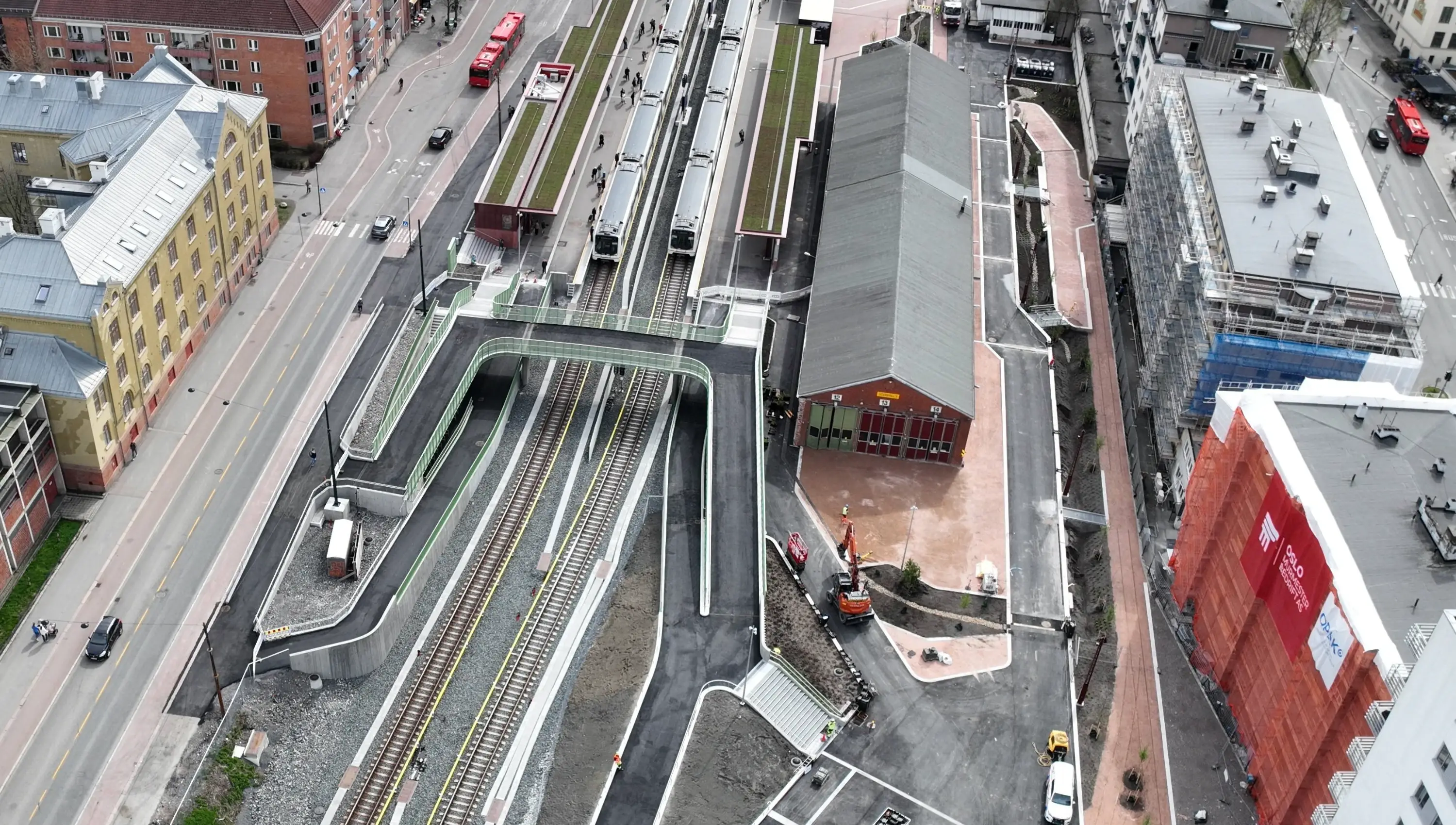
Case Study
Majorstuen station upgrade in Oslo achieves BREEAM Infrastructure Outstanding
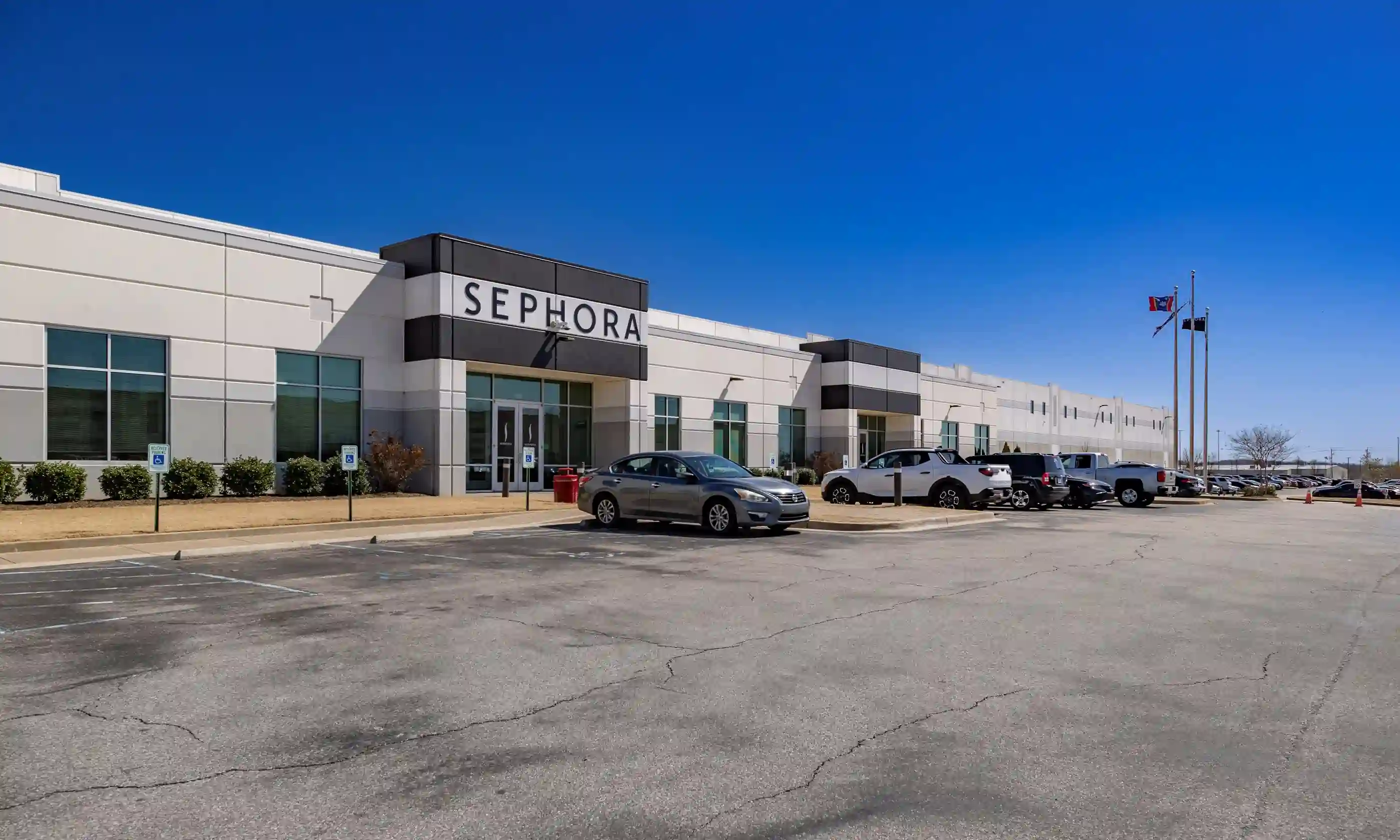
Case Study
LXP Industrial Trust Uses BREEAM as a Framework for Portfolio Progress
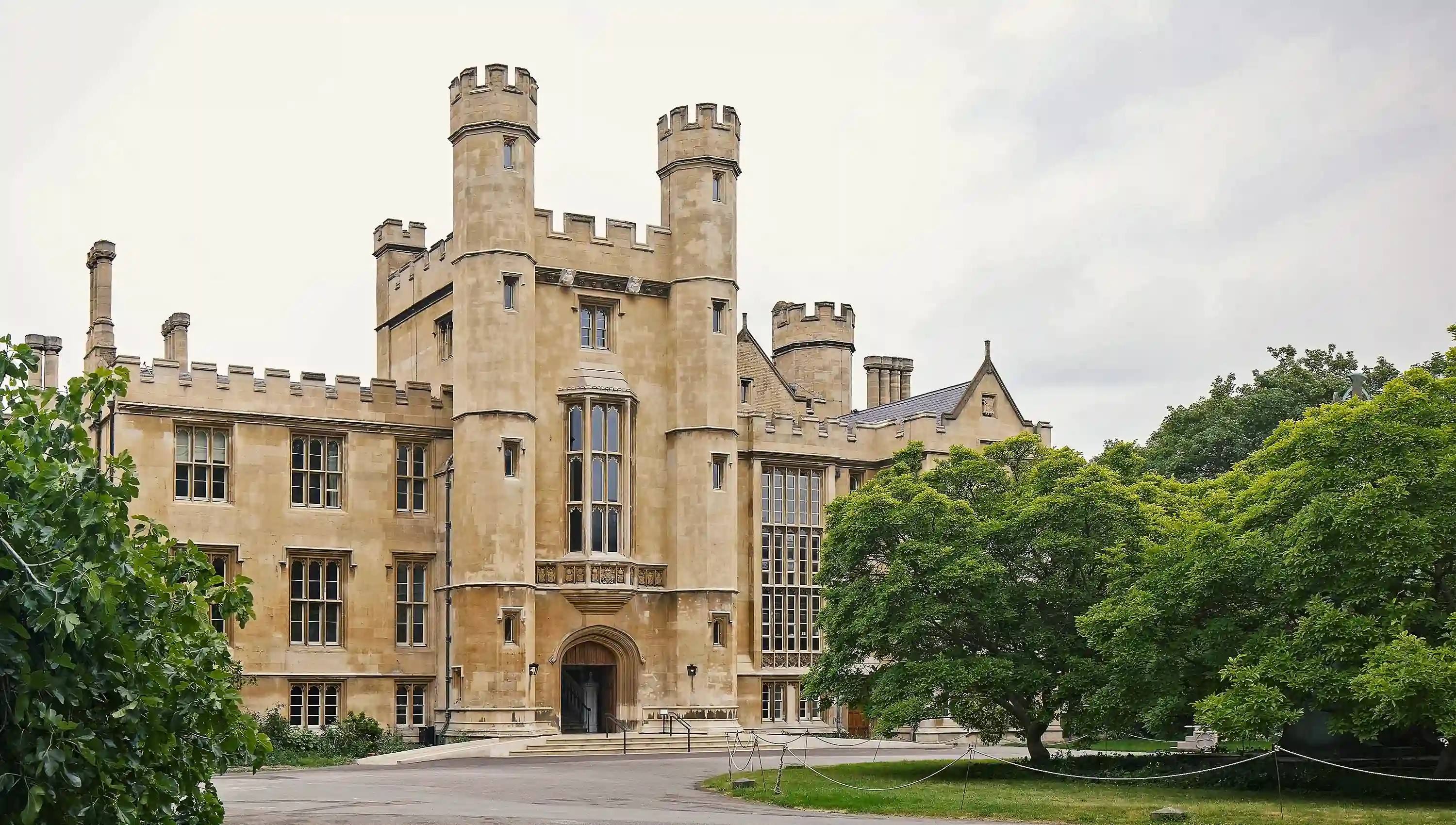
Case Study
Lambeth Palace achieves BREEAM Excellent following major refurbishment
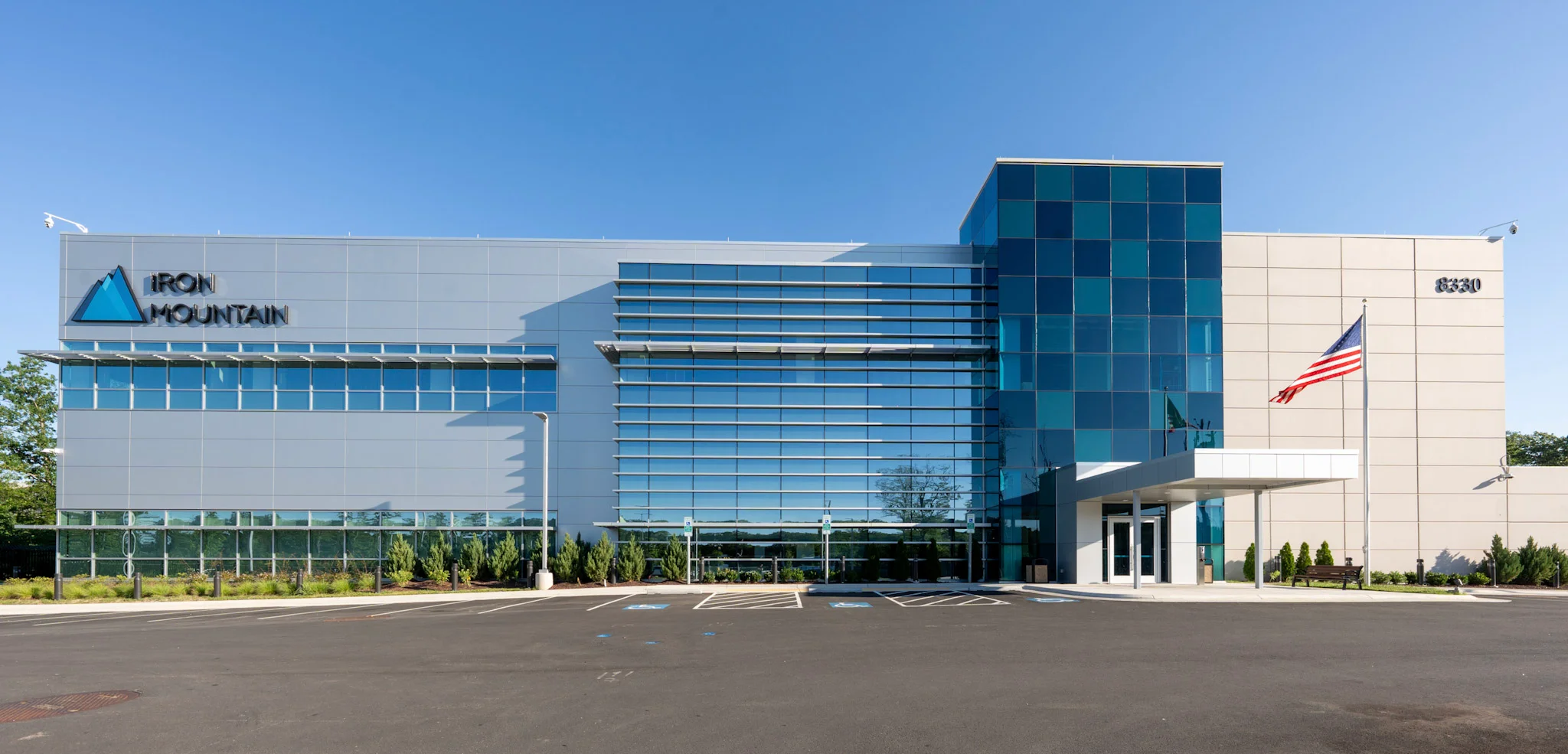
Case Study
Iron Mountain Advances High-Performance Data Centers with BREEAM
Case Study
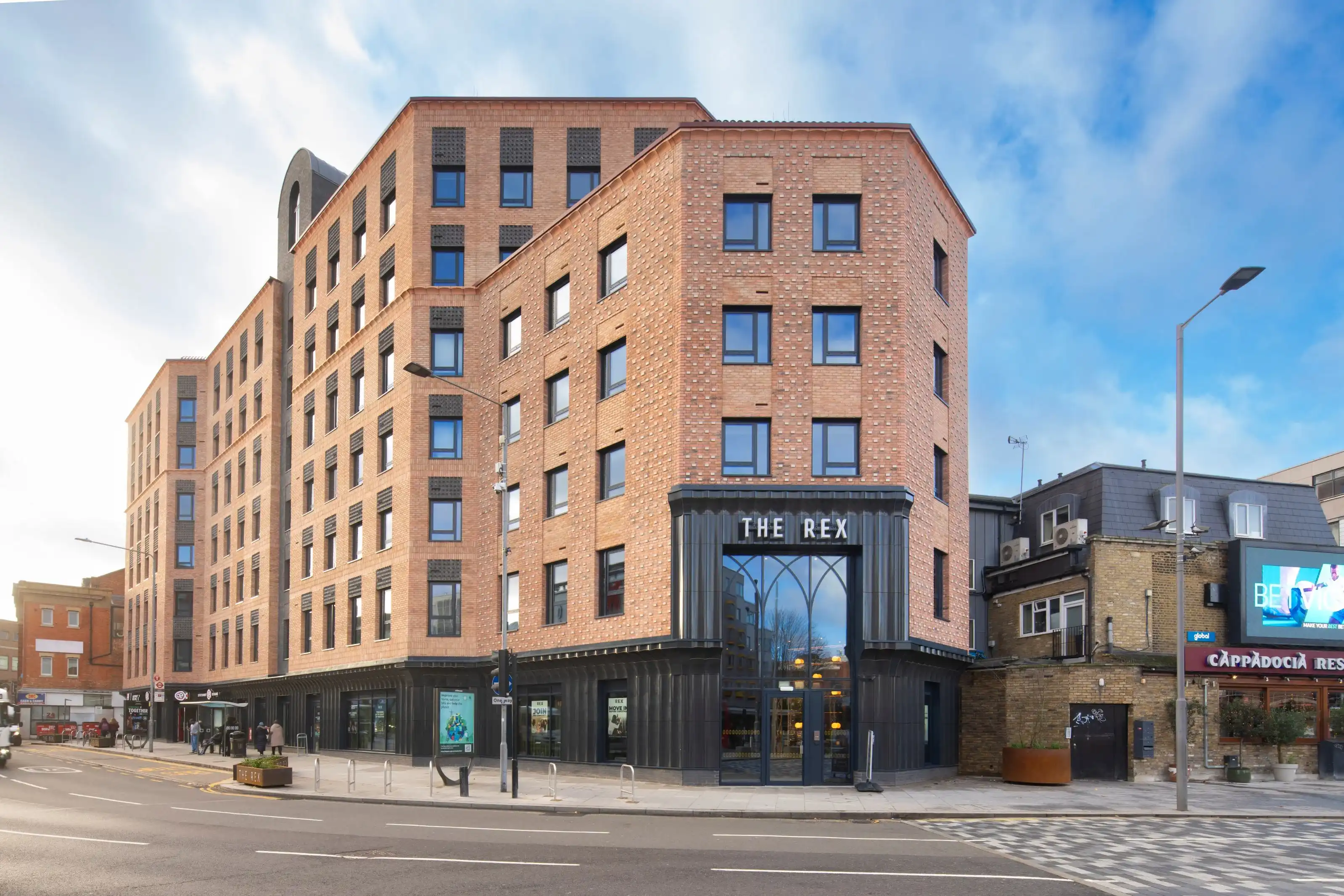
The Rex achieves BREEAM Outstanding, setting a benchmark for sustainable co-living
UK & Ireland
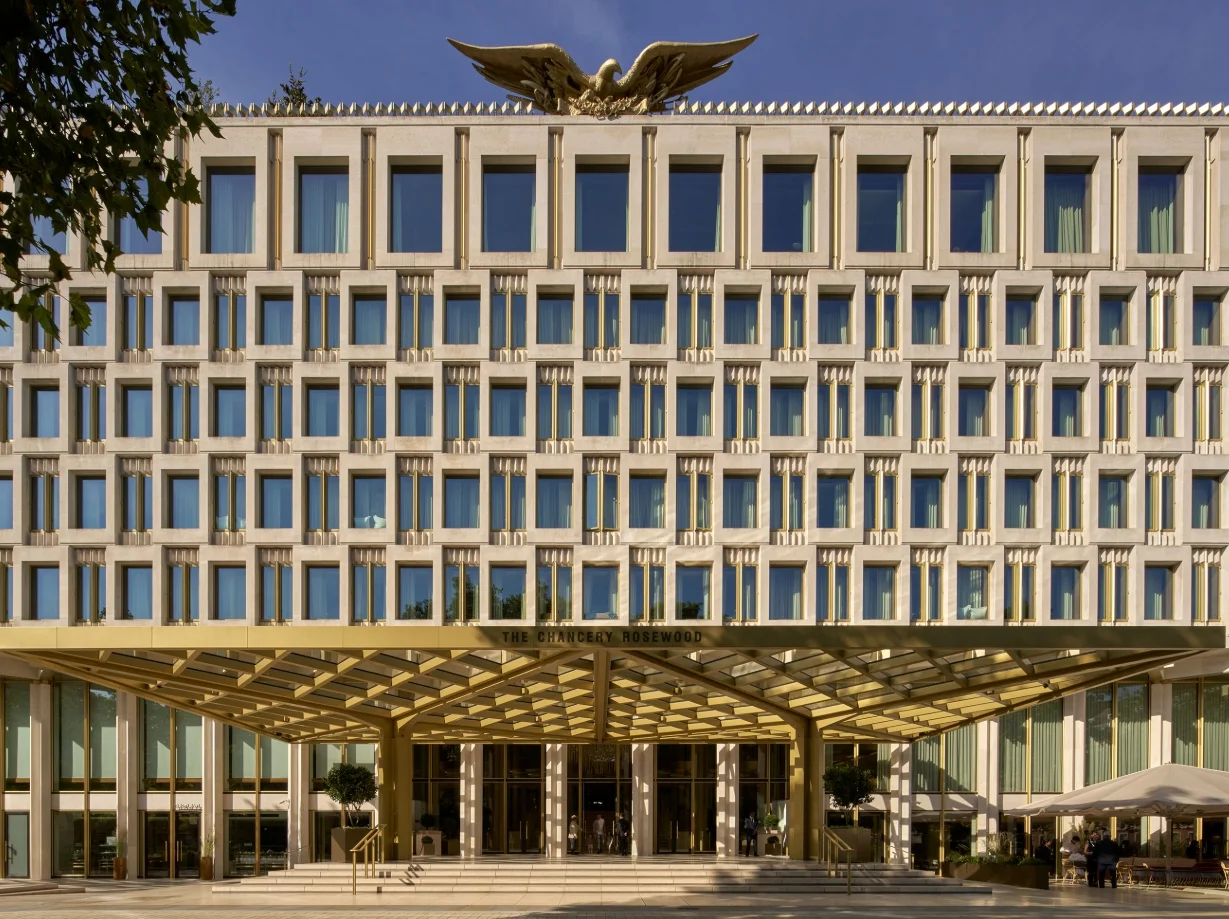
The Chancery Rosewood hotel achieves BREEAM Outstanding for former United States Embassy transformation
Case Study
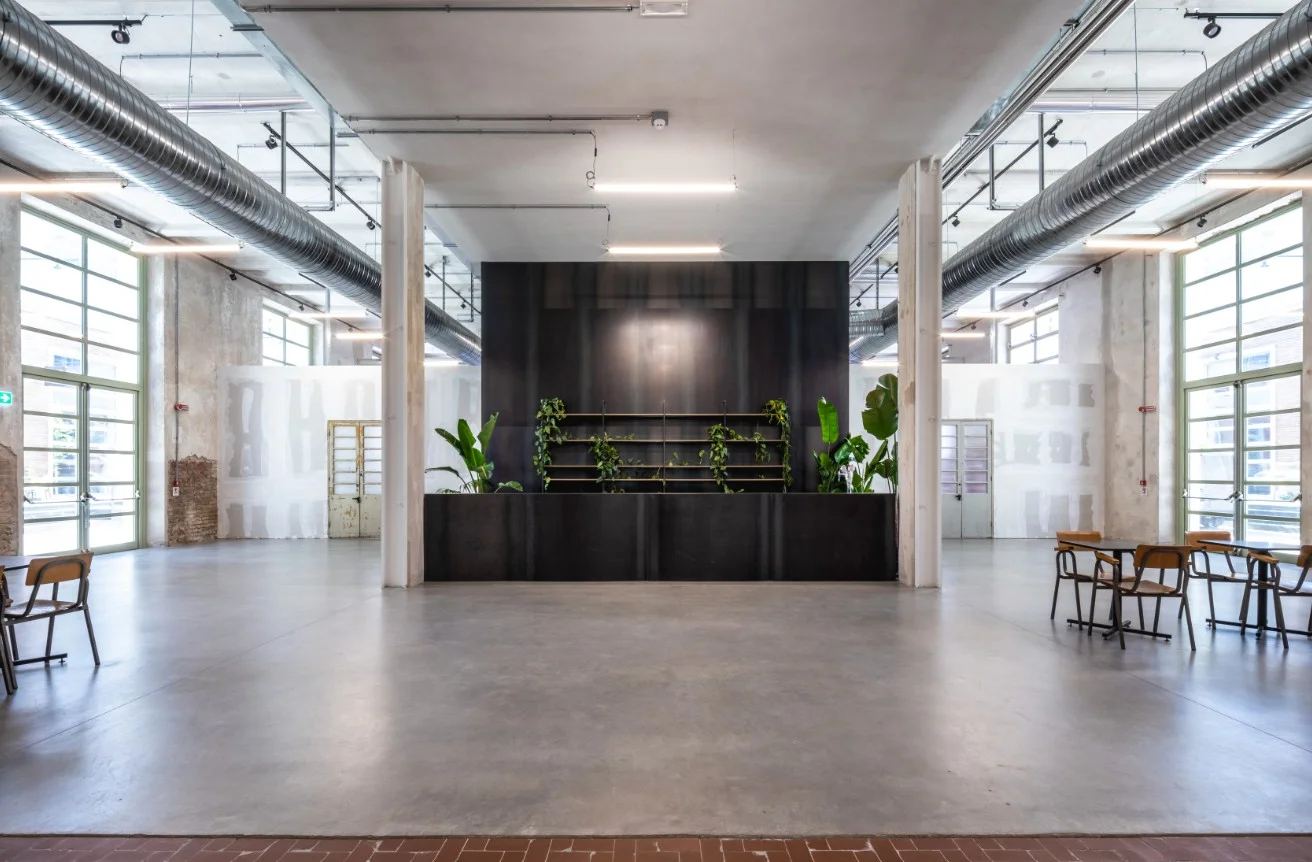
Aermont achieves BREEAM Excellent for Manifattura Tabacchi refurbishment
UK & Ireland