
Cart (0)
SmartWaste webinar: Closing the loop – circular economy and waste management strategies for construction
On 26 March 2026, BRE hosted a SmartWaste webinar exploring how circular economy principles are being applied on real construction projects. Chaired by Ed Suttie, Head of Strategic Advisory at BRE, the session brought together Gilli Hobbs, Co-founder of Reusefully, Charlie Law, Founder of Sustainable Construction Solutions and Sustainability Director at Timber Development UK, and Siôn McGregor, Senior Sustainability Consultant at BRE, to examine the policy landscape, practical examples of material reuse, and the evidence needed to demonstrate circular performance. A poll of attendees found that 60% cited cost as the biggest barrier to implementing circular approaches. In comparison, nearly 50% identified client demand and tender incentives as the factor most likely to drive progress over the next 12 months.

Gilli Hobbs, Co-founder, Reusefully
“The transition in the last few years has been to place a much greater emphasis on reuse. For many years we had the requirement to reach high levels of recycling, but now we’re seeing a real shift towards retrofit first and maximising the reuse of products and materials. Clients like Great Portland Estates are setting targets of 40% reused content in their developments, and projects like Euston Tower are demonstrating genuinely innovative approaches – including cutting out sections of concrete slab for reuse. That’s a significant departure from where the industry was even five years ago.”
Charlie Law, Founder, Sustainable Construction Solutions; Sustainability Director, Timber Development UK
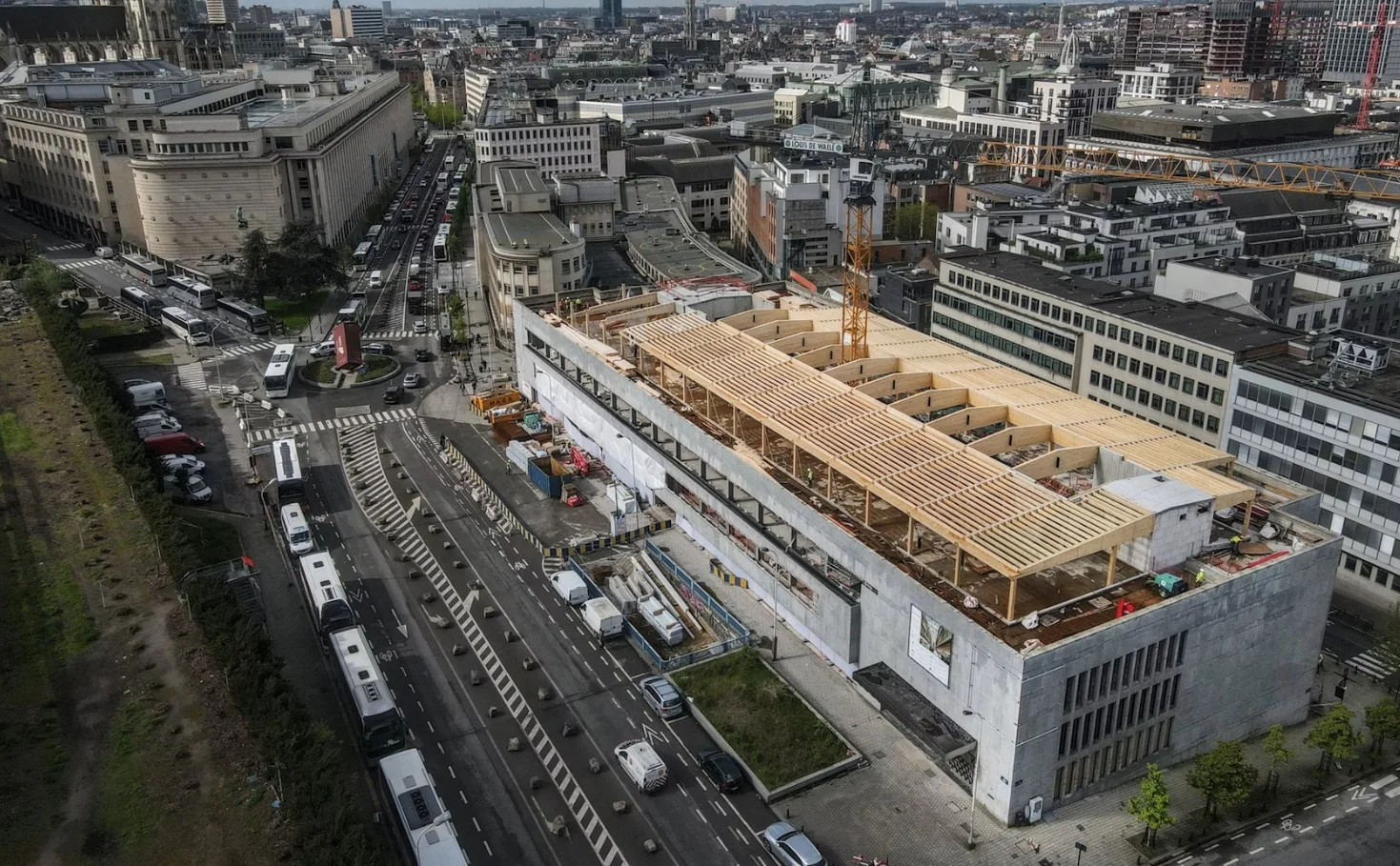
“The commercial case for circularity has to stack up – there’s no doubt about that. But when you look at projects where existing buildings are being retained and extended with lightweight timber frames rather than demolished and rebuilt, the savings are substantial. No additional foundations, no strengthening required. The cost argument works when you focus on the high-value materials first and let those economics support the lower-value streams. Once circular processes become embedded, they start to drive genuine savings – just as BIM did over the last decade.”


Siôn McGregor, Senior Sustainability Consultant, BRE
“The most common gap we see is a failure to identify reusable materials early enough. Without a pre-demolition audit, components like structural elements or timber products can be demolished prematurely, which makes high-grade recovery far more difficult. Skipping that audit step weakens your ability to evidence circularity, increases your environmental impact, and often results in greater financial costs by missing out on high-value reuse pathways.”
If you missed this webinar the recording is now available for you to view:
Browse more from our latest news:

BREEAM
What investors look for in build to rent developments

BREEAM
BREEAM Webinar Series: Maximising the Value of Existing Buildings with BREEAM In-Use

Construction
UK Construction Benchmarks 2026: highlights from the launch webinar
BREEAM
BREEAM Webinar Series: Driving Lower-Carbon Refurbishment Through Smarter Material Choices

BREEAM
BREEAM Webinar Series: Retrofit-Ready for a Climate Resilient Future

BREEAM
Building for a sustainable and resilient future: international lessons for UK homes

Events
BREEAM Webinar Series: Driving Energy Excellence in Refurbishment and Fit Out.
SmartWaste