
Cart (0)
Transpennine Route Upgrade (TRU) Programme BREEAM Infrastructure
Overview
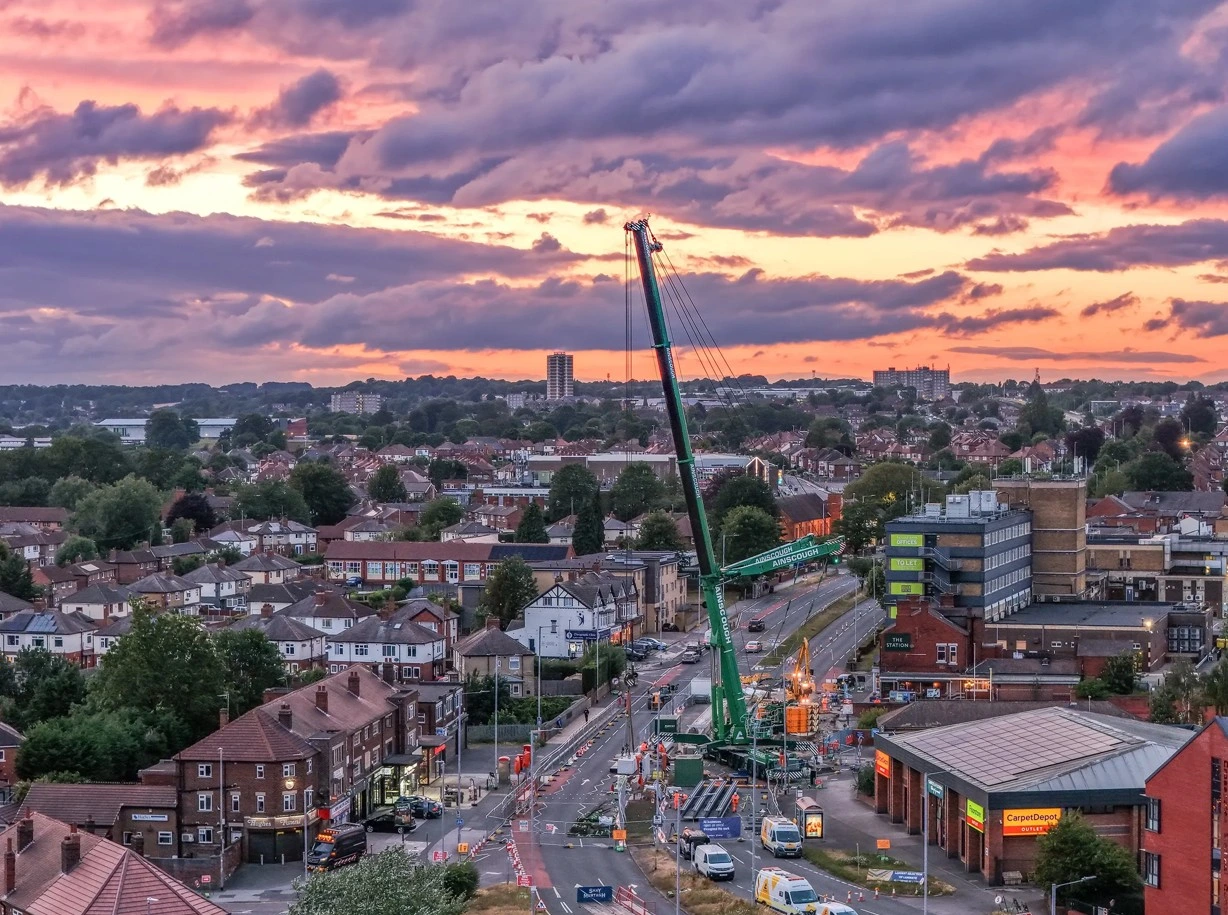
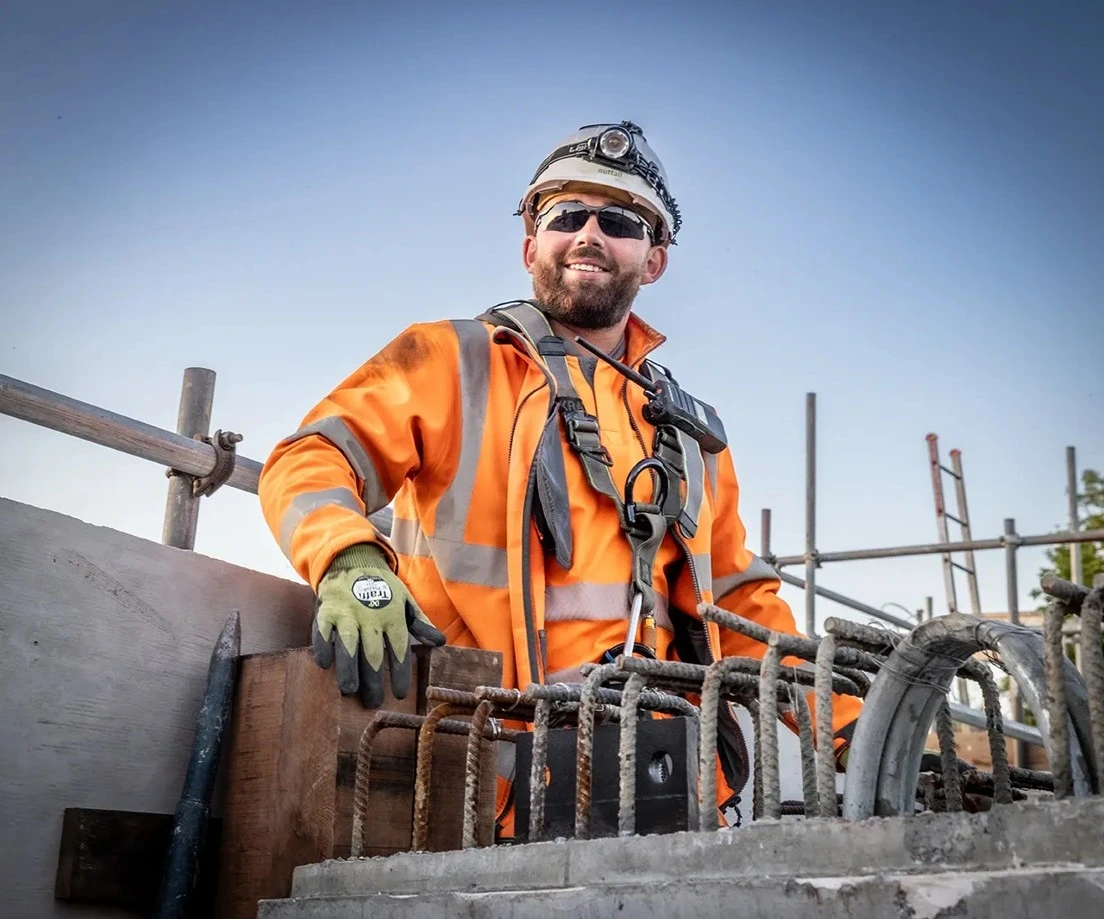
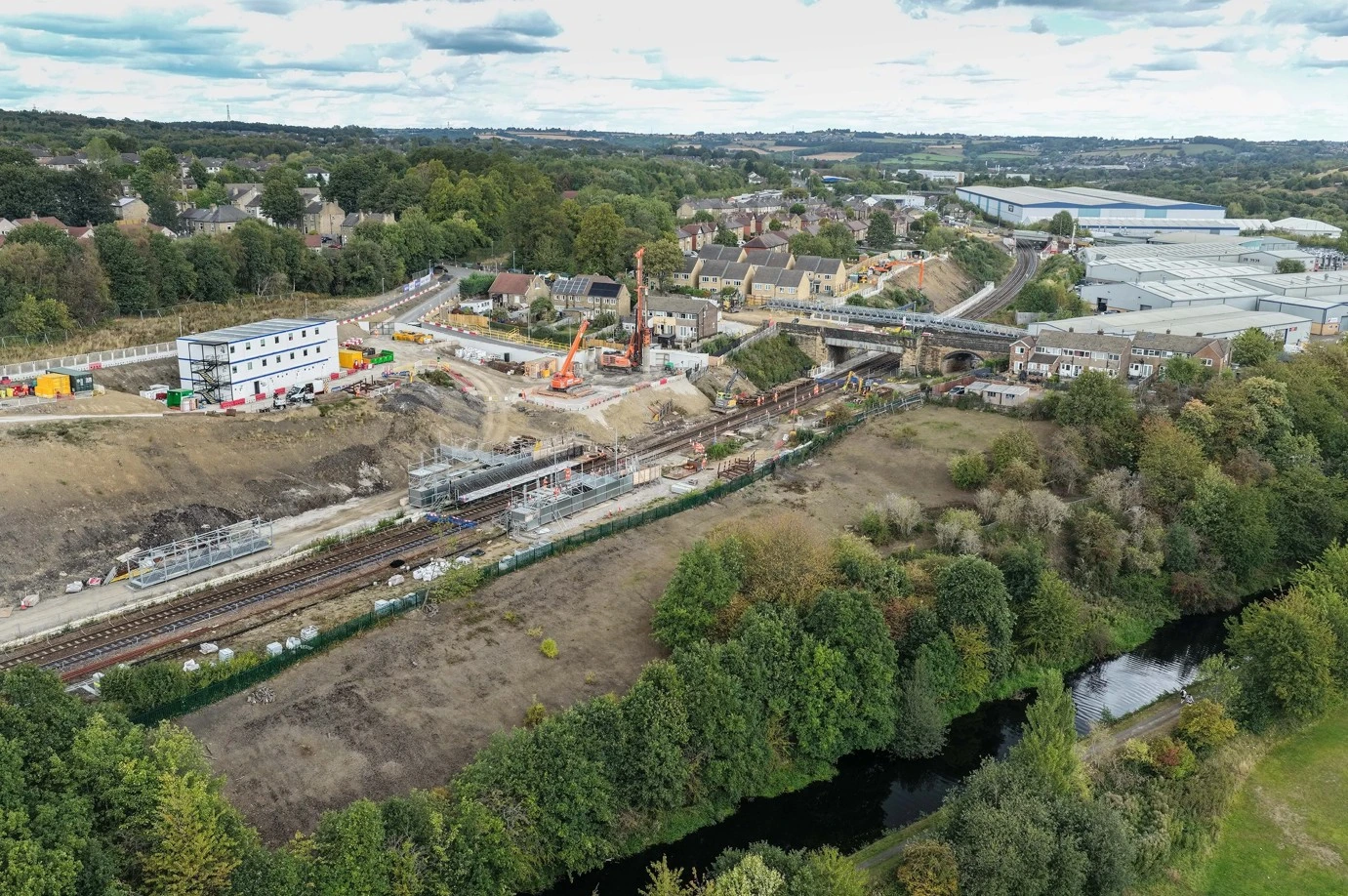
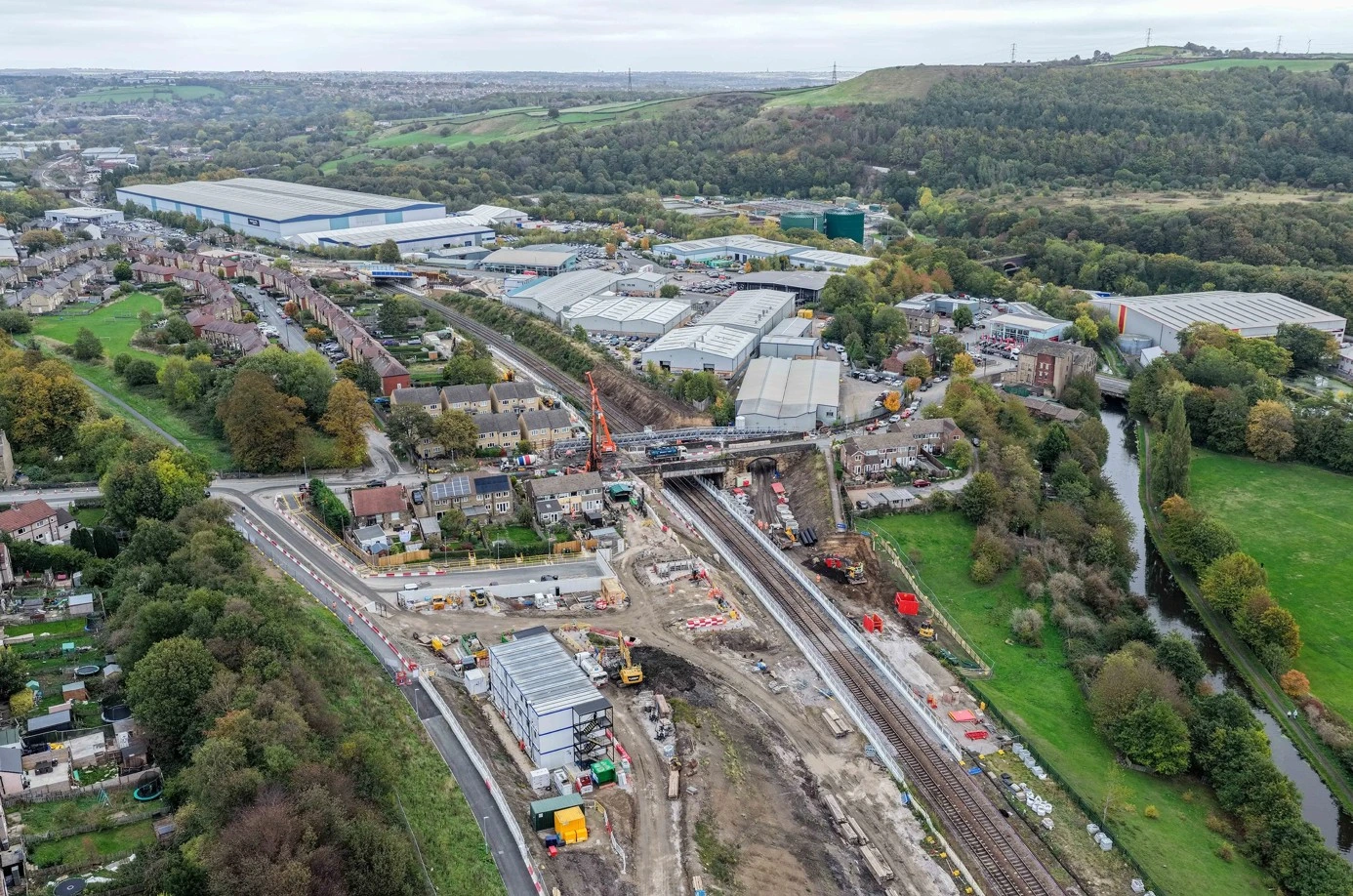
The Transpennine Route Upgrade (TRU) is a major rail improvement programme transforming the rail network between Manchester, Huddersfield, Leeds and York. TRU will enhance journeys across the North, better connecting towns and cities through more frequent, faster, greener trains running on a better, cleaner and more reliable railway. It will support moving more essential goods by rail, attract more people to use the train, help communities prosper, create jobs for local people and improve the environment through decarbonisation.
The TRU Programme has achieved BREEAM Infrastructure 'Excellent' ratings for the strategy phase across all Core TRU Route projects delivered by the Manchester to Leeds team and the Leeds to York team. With scores ranging from 78% to 89%—all comfortably above the 75% threshold required for an 'Excellent' rating—this significant milestone demonstrates TRU is on track to achieve its target BREEAM Infrastructure 'Excellent' rating across the programme as set out in TRU's Sustainability Strategy, Our Guiding Compass.
About
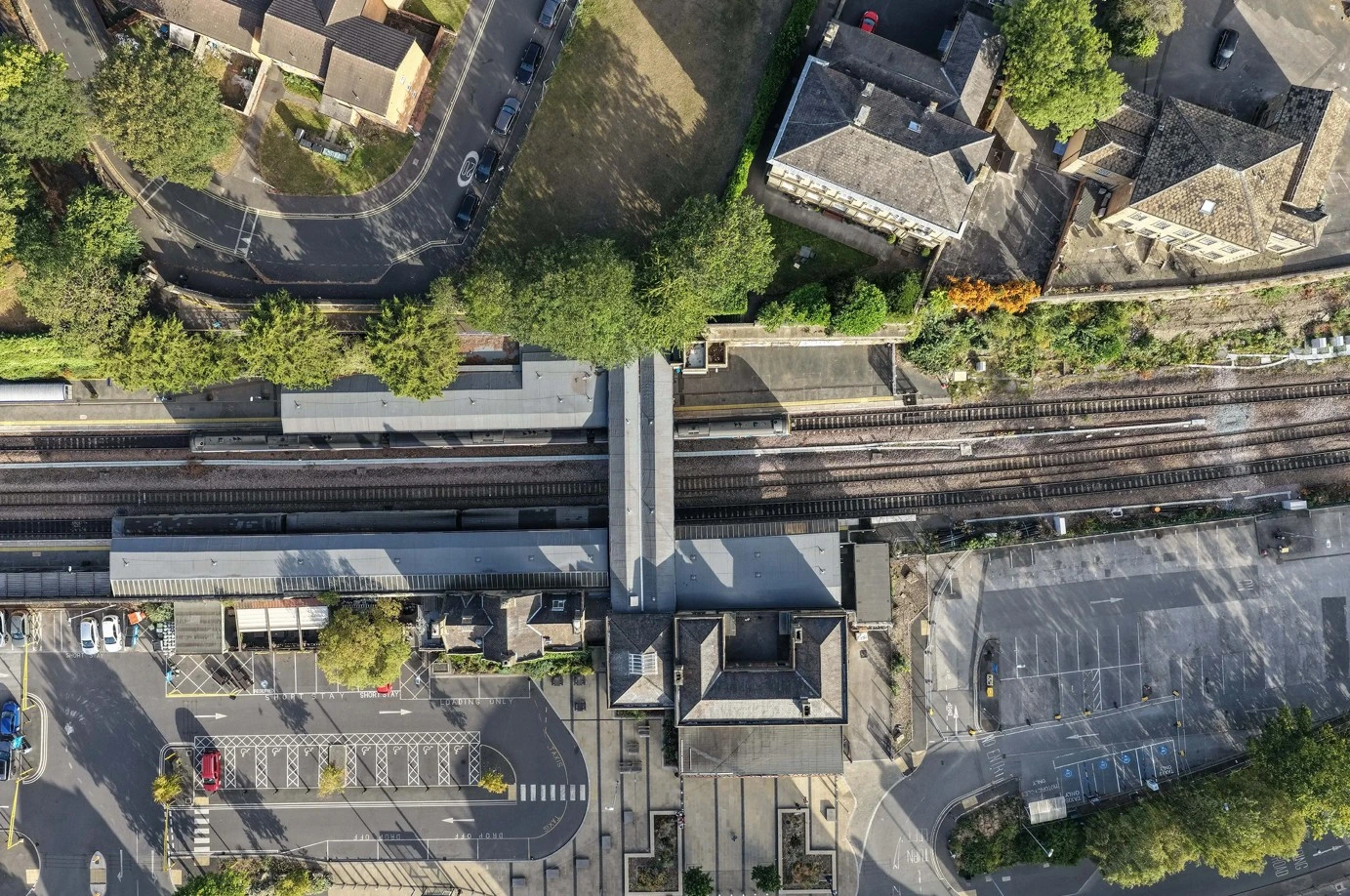
Spanning 70 miles of track and 23 stations from Manchester Victoria to York, TRU works include track improvements, station enhancements, signalling upgrades, and bridge and tunnel work.
This major infrastructure programme is expected to play a crucial role in stimulating economic growth and improving connectivity across the North of England.
Background
TRU's Sustainability Strategy, Our Guiding Compass, comprises four strategic pillars which help guide sustainable development for TRU and ensure opportunities to deliver for customers are maximised.
These four pillars have been carefully selected to help realise two key overarching objectives across the programme, one of which is to achieve a BREEAM Infrastructure Whole Project Award 'Excellent' rating (≥75%).
Achieving an 'Excellent' rating supports recognition of the high level of performance being delivered on the programme and provides validation against an internationally recognised benchmark.
As TRU is a large, multi-asset programme, the BREEAM Infrastructure Assessment is split into eight smaller, stand-alone assessments based on TRU projects. Each applicable TRU project completes an individual BREEAM Infrastructure assessment. The scores are then aggregated to generate an overall Programme-level BREEAM Infrastructure score (%) and rating (e.g. Excellent).
Achievements
Of the eight TRU projects under the TRU Programme BREEAM Infrastructure registration, six have been awarded an 'Excellent' rating at the Strategy stage (as part of a Whole Project Award) with scores ranging from 78.46% to 88.58%. The remaining two projects delivered by the Central project team are at different development stages. The Leeds Station Capacity Project was awarded a Whole Project Assessment 'Excellent' rating with a score of 78.8% in April 2023. The Stalybridge to Huddersfield project is at an earlier stage of development and is expected to complete the strategy stage assessment towards the end of 2026.
The ratings achieved are testament to TRU's commitment to design and build a railway that will deliver benefits for generations to come.
The Manchester to Stalybridge and Church Fenton to York projects are further advanced in their development. Both recently achieved an 'Excellent' rating for a Strategy & Design Award (as part of the Whole Project Award) with scores of 80.56% and 76.85% respectively.
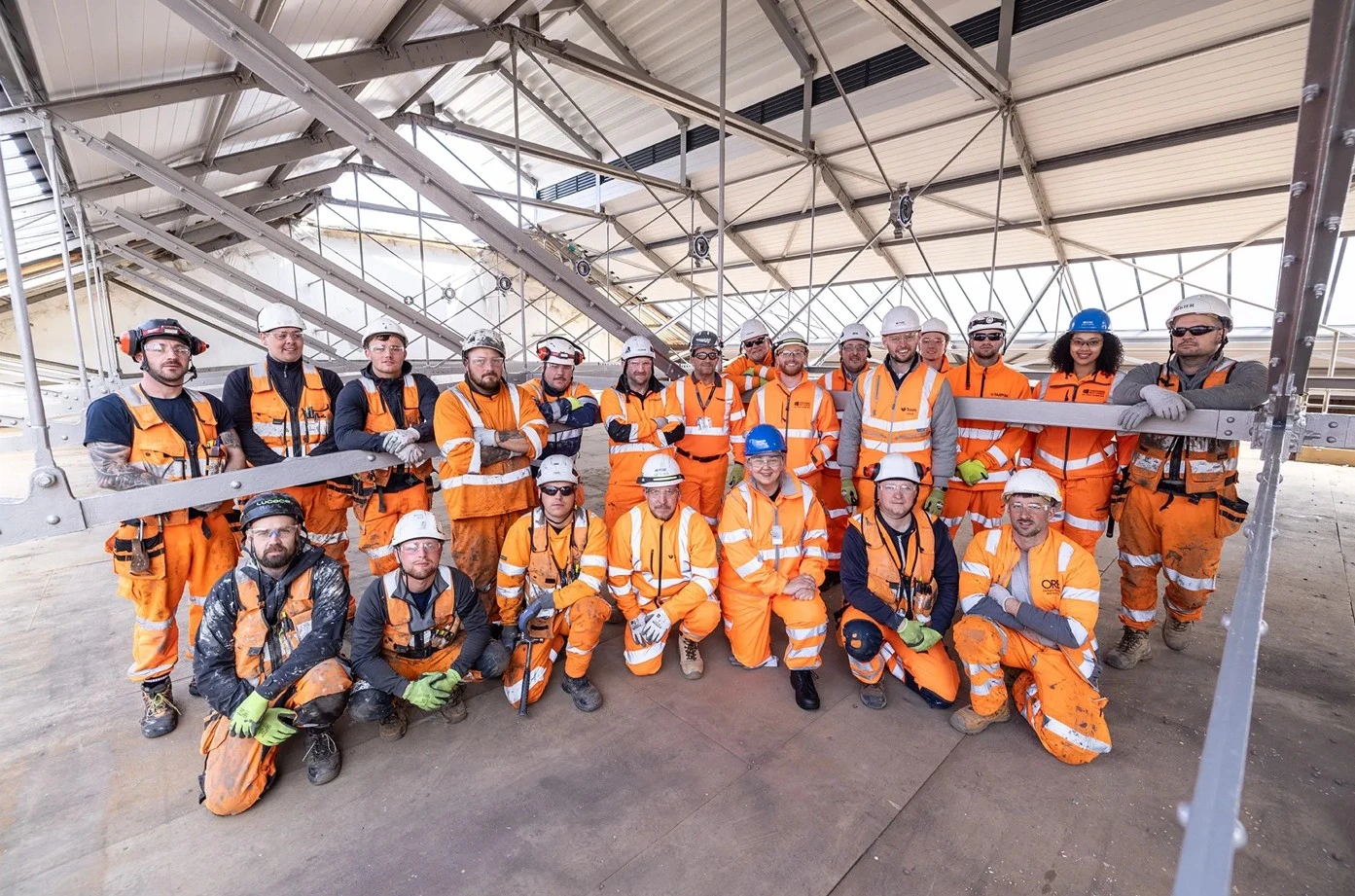
Management
The TRU Enterprise brings together all key parties (Network Rail, Department of Transport, train operators, freight operators and delivery partners) in a "whole railway" approach. This ensures TRU delivers real outputs to passengers and freight to enable the best balance between infrastructure, timetable and rolling stock. Our Guiding Compass contains the TRU Enterprise Sustainable Development Charter, which is a commitment to working together to design, build and operate a railway that puts passengers first.
The programme established sustainability requirements for design and construction phases, integrating them into contracts across the project lifecycle via discipline-specific plans.
The Sustainability Certification Plan sets out detailed requirements for delivering the desired overall TRU Programme outcome of a BREEAM Infrastructure 'Excellent' rating.
The TRU Programme Sustainability Team facilitates periodic forums across the key sustainability disciplines to support ongoing collaboration and knowledge-sharing across the projects.
People and communities
TRU has delivered an extensive programme of STEAM (Science, Technology, Engineering, Arts and Mathematics) engagement and volunteering activities to date, providing education, awareness and support to local schools, organisations, charities and communities.
In 2024, TRU launched the inaugural TRU Community Fund to forge new partnerships along the route. The fund attracted applications from 279 organisations, with grants totalling over £155,000 awarded to 27 successful applicants. On 6 October 2025, the TRU Community Fund launched for a second year, this time offering £250,000 to support local communities along the railway route.
Resilience
All projects completed future needs workshops at the strategy stage to encourage appropriate adaptability in ways that avoid unnecessary disruption, inconvenience and cost. The teams will review these assessments at the design stage and will present evidence of how they incorporated opportunities into the design.
Ecology and Biodiversity
TRU has developed a programme-wide Biodiversity Net Gain Plan that outlines key focus areas at every stage of the programme's design. This plan helps integrate biodiversity into decision-making throughout the design process and is anticipated to set a new standard for future Network Rail projects nationwide.
The Manchester to Leeds team has designed and developed a long-term habitat management plan for the 4-hectare woodland at Fairfield station. This site is likely to be the first on Network Rail's estate with formal 30-year management commitments for biodiversity.
Resources/carbon
All projects must complete Resource Efficiency reviews at each project stage as per Network Rail requirements. These include the five key WRAP principles: reuse & recycling, off-site construction, materials optimisation, waste efficiency procurement, and deconstruction & flexibility.
The Manchester to Leeds TRU team identified an opportunity to optimise the track renewal specification between Manchester and Stalybridge. By refining the design, they reduced the extent and scope of track renewals from 12.5km to 8.6km, resulting in a carbon saving of 1,281 tonnes of CO₂ equivalent (tCO₂e). This outcome aligns with the 'Avoid' principle of the Carbon Management Hierarchy outlined in PAS 2080, the industry standard for managing carbon in infrastructure.
Through cross-project collaboration, the Leeds to York team supported the repurposing of concrete sleepers and rail tracks from the main track between Church Fenton and York for use at Healey Mills depot. Although quality assessments indicated that these assets needed replacing on certain sections to support faster and more frequent train services, they were well-suited for stationary or slow-moving trains
Conclusion
TRU's BREEAM Infrastructure achievements demonstrate how major rail programmes can embed sustainability from strategy through to delivery. The remaining projects will complete their assessments as they progress through development, with the programme on track for an overall 'Excellent' rating by completion.
Browse more from our latest case studies:
Case Study
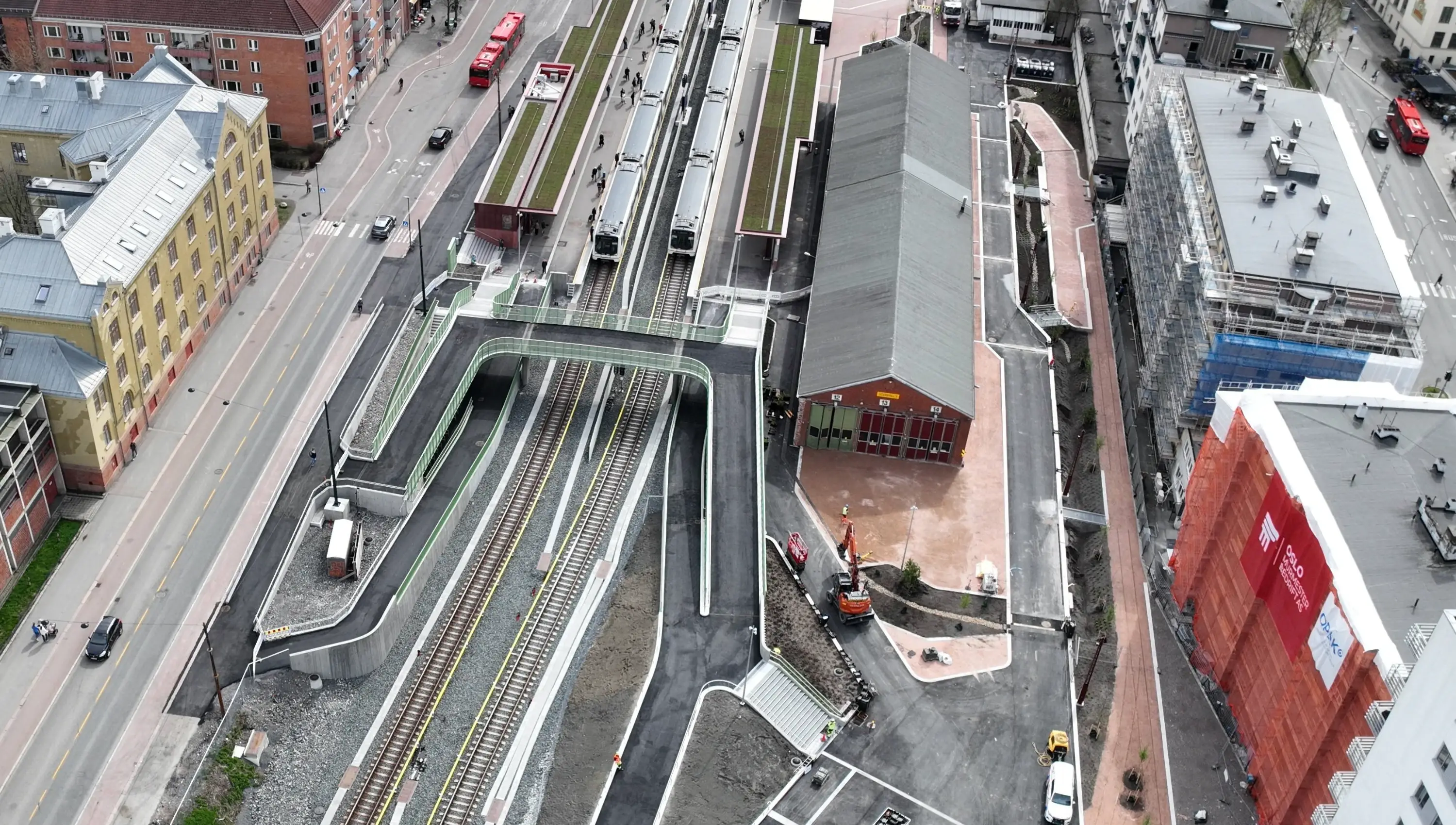
Majorstuen station upgrade in Oslo achieves BREEAM Infrastructure Outstanding
UK & Ireland
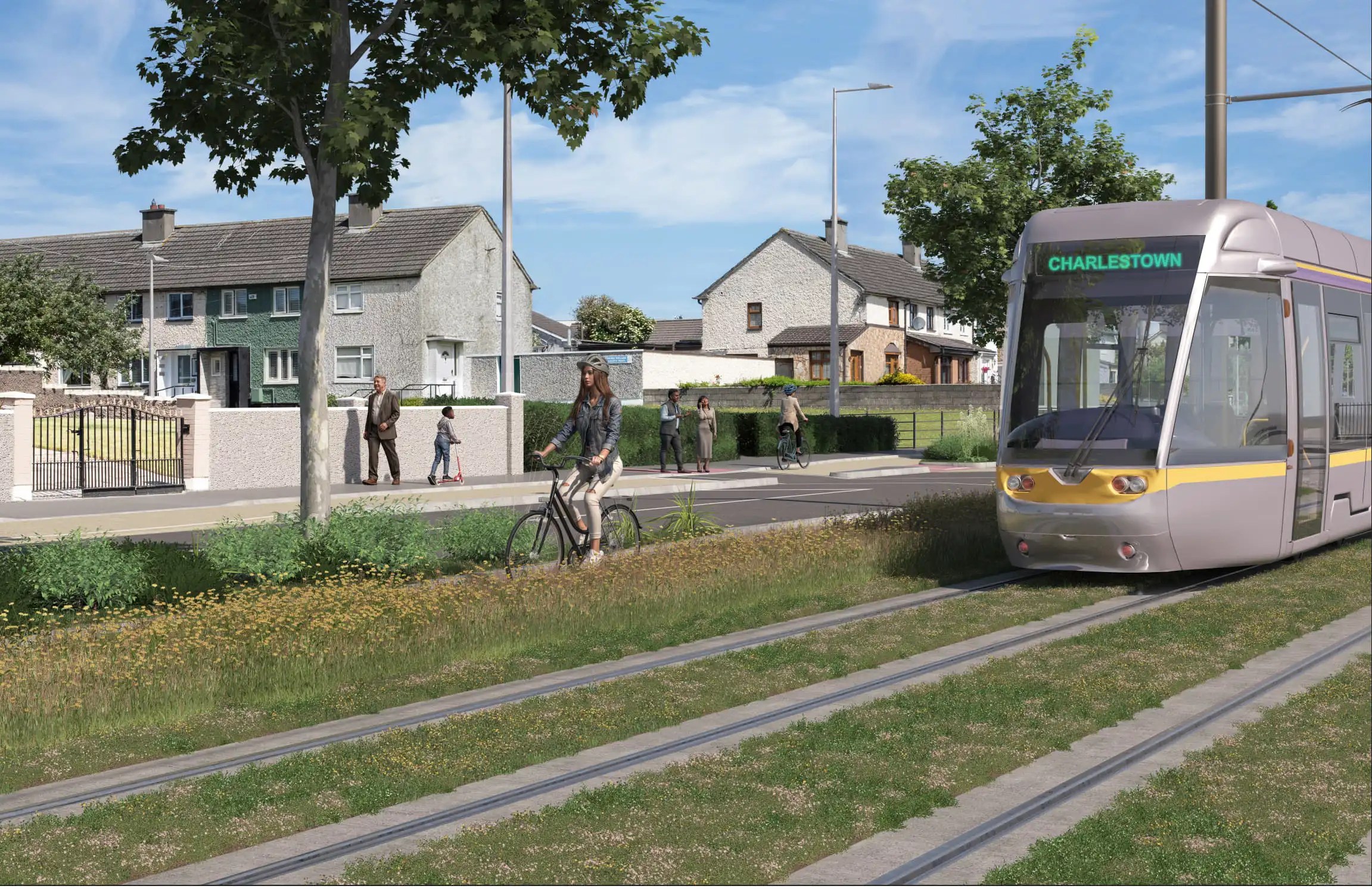
Luas Finglas: Ireland’s first BREEAM Infrastructure Excellent rating
UK & Ireland
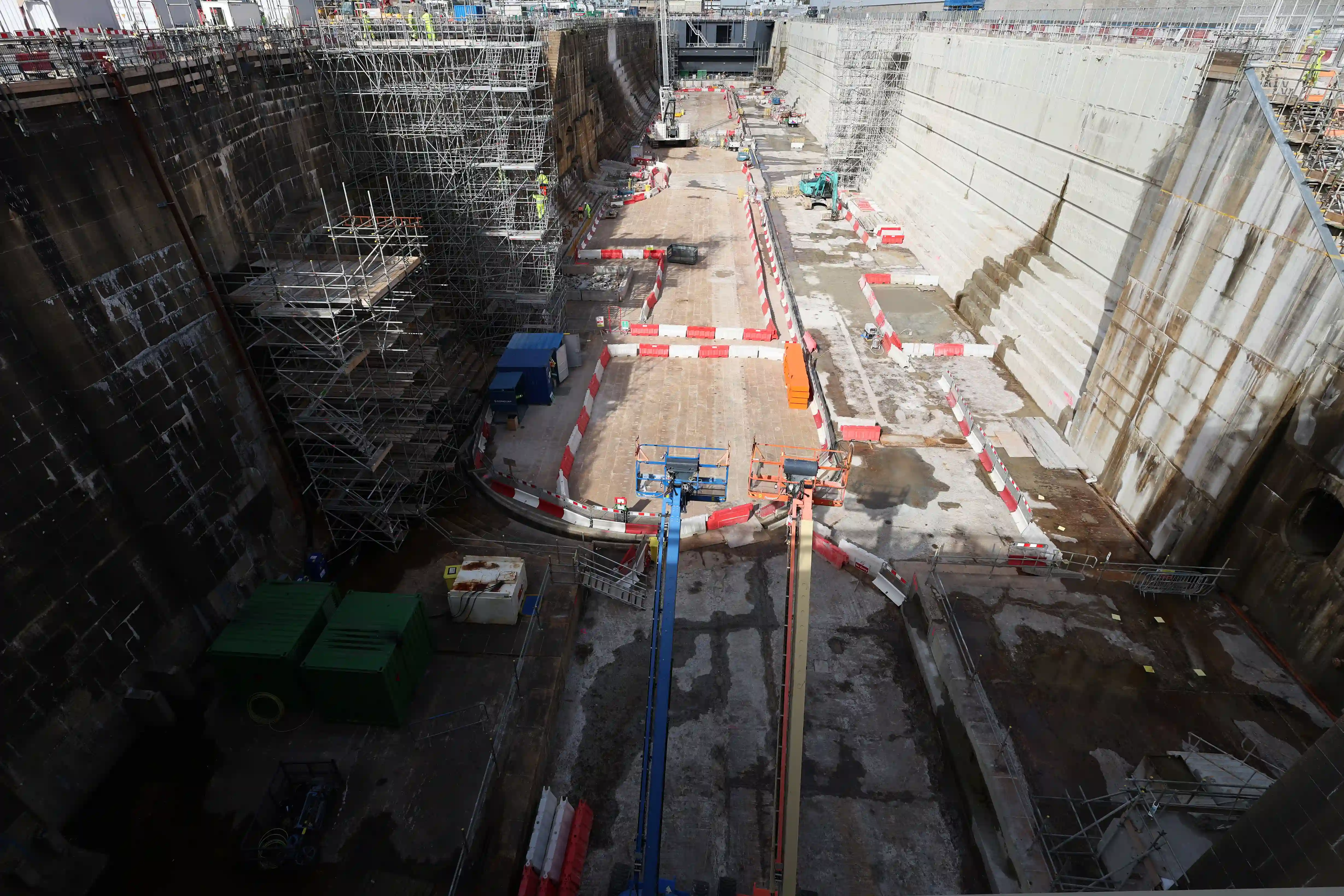
BREEAM Infrastructure: 10 Dock Facility submarine dockyard excellence
UK & Ireland
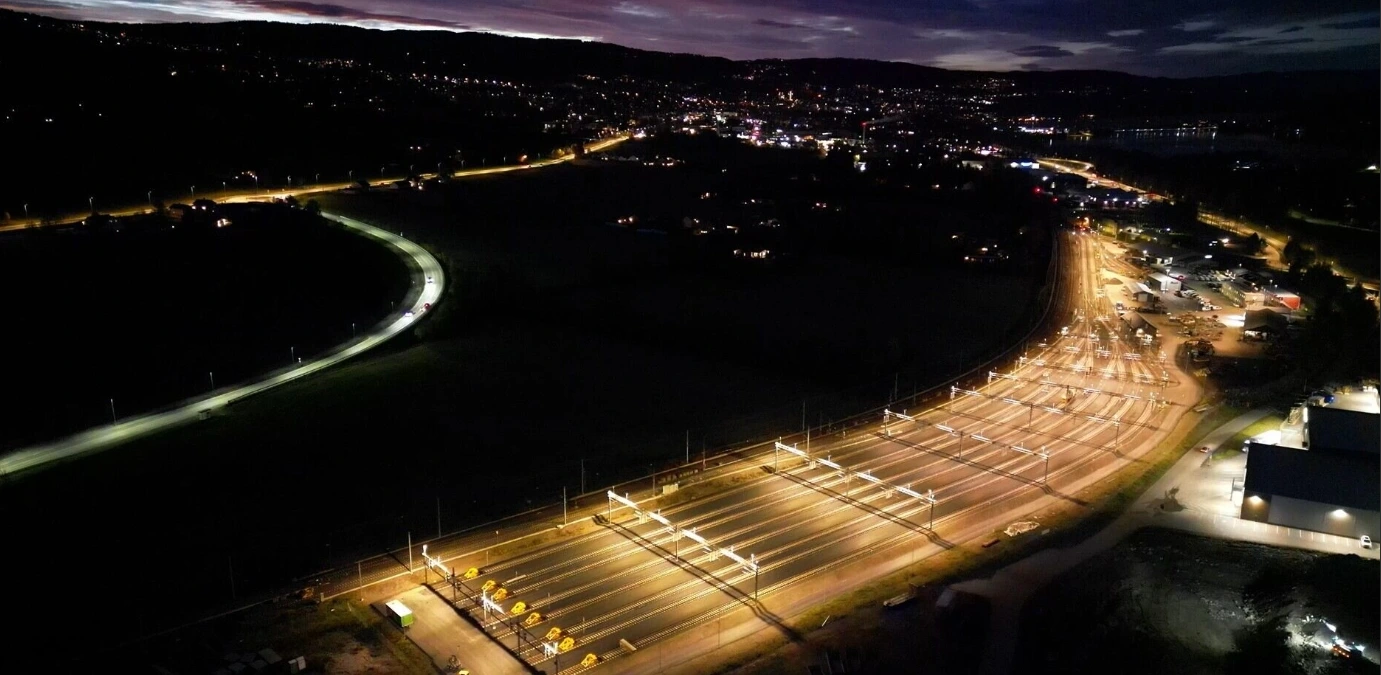
BREEAM Infrastructure: Hove Hensetting rail stabling excellence
Case Study
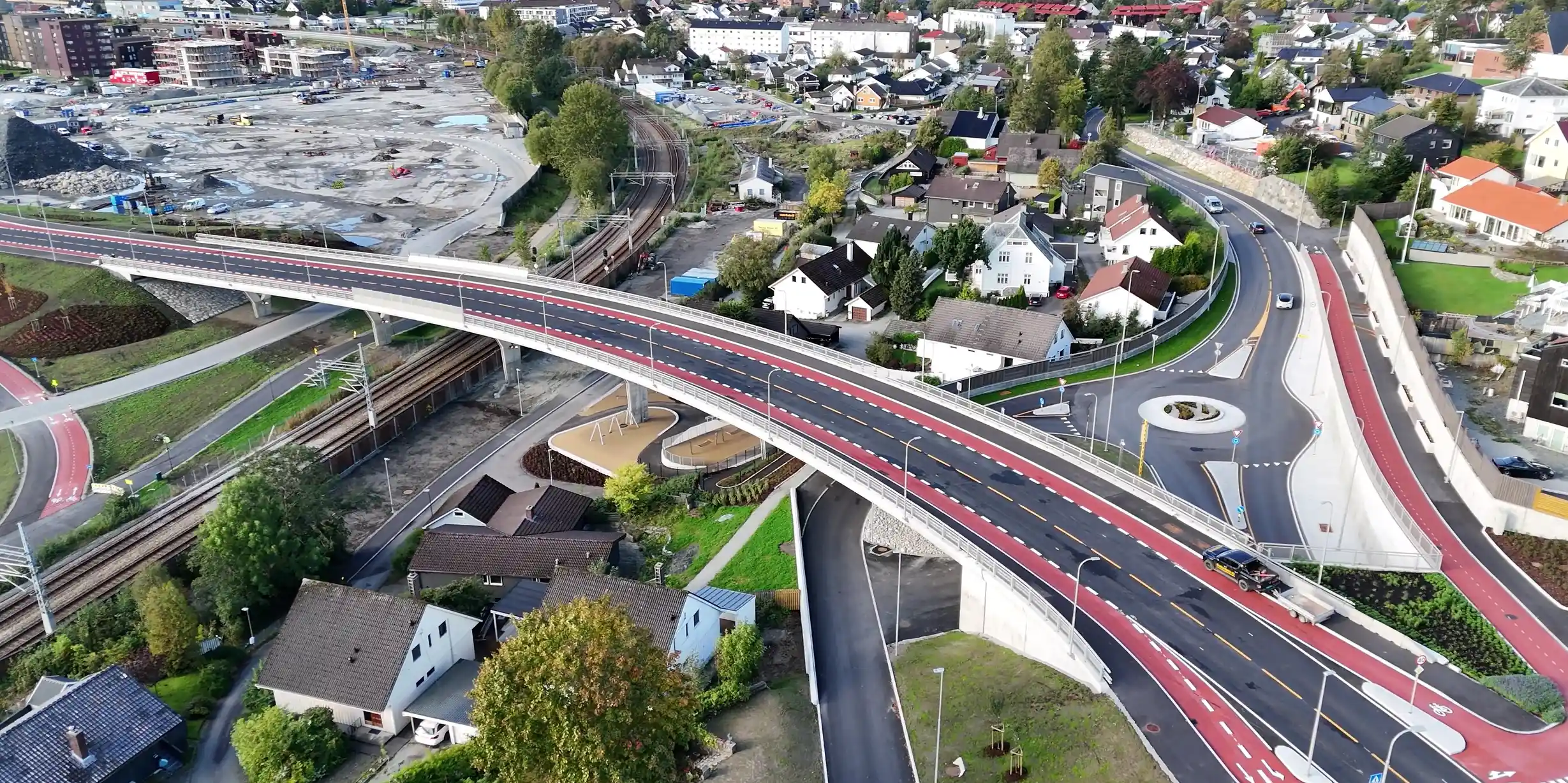
BREEAM Infrastructure: Fv.44 Bussveien sustainable urban busway
Case Study
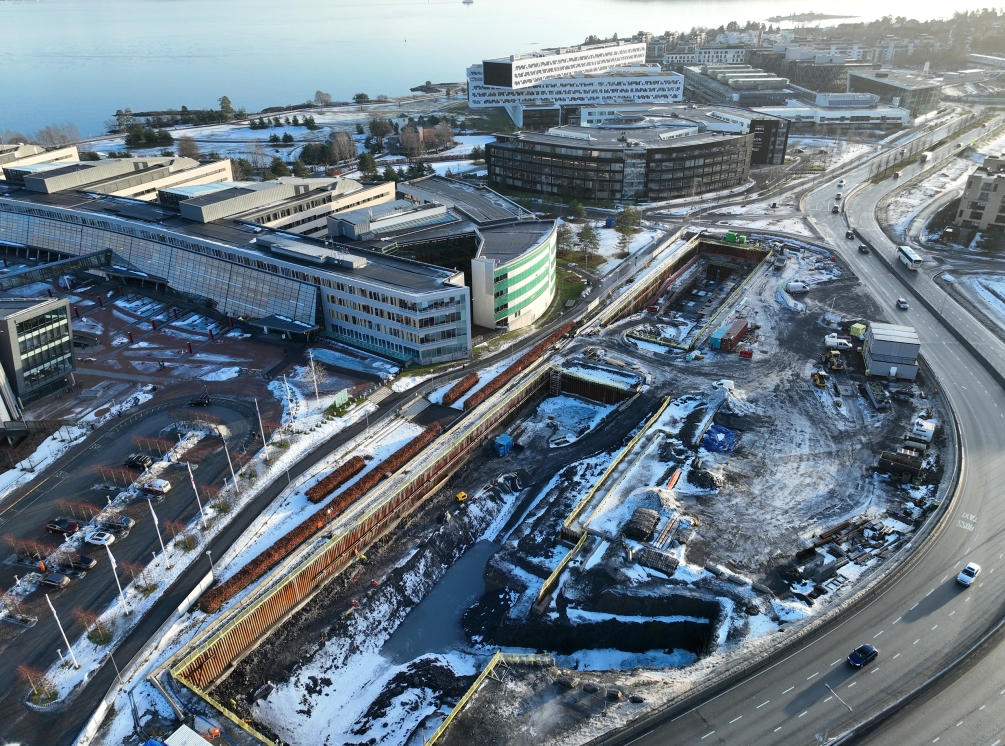
BREEAM Infrastructure: Oslo’s sustainable tunnelling excellence
Case Study
Transpennine Route Upgrade (TRU) Programme BREEAM Infrastructure
Case Study