Cart (0)
BREEAM Infrastructure Sheffield TCF1 urban regeneration
Overview
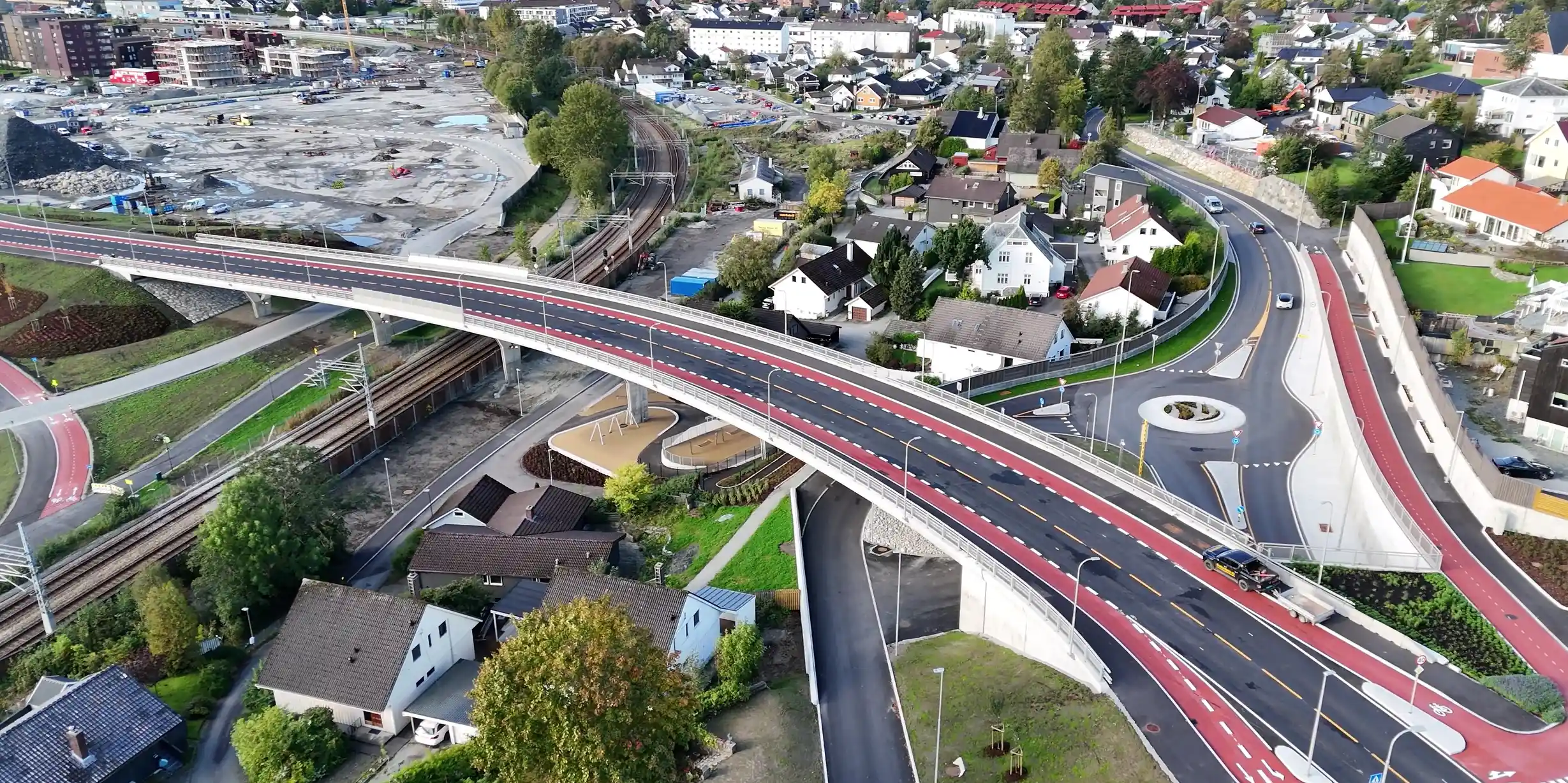
Sheffield TCF1 achieved BREEAM Infrastructure Very Good certification, demonstrating how large-scale urban regeneration projects can deliver exceptional sustainability outcomes while creating attractive public realm. This comprehensive project by John Sisk & Son Ltd delivered Yorkshire's first Dutch-style roundabout, sustainable urban drainage systems, and active travel infrastructure while achieving an outstanding 99.7% waste diversion rate from landfill.
About
John Sisk & Son Ltd is one of Ireland and the UK's leading construction and development companies, with over 160 years of experience delivering complex infrastructure projects. The company specialises in sustainable construction practices and has built a reputation for innovative approaches to urban development challenges. Sheffield City Council commissioned this transformative project as part of their broader urban regeneration strategy to enhance connectivity and create vibrant public spaces.
Background
Sheffield City Council identified the need for comprehensive urban regeneration extending from the town hall across the wider boroughs of Kelham and Neepsend. The project aimed to create an attractive public realm that would promote active travel initiatives while incorporating cutting-edge sustainable urban drainage systems. As a pioneering project introducing Yorkshire's first Dutch-style roundabout, the scheme required innovative approaches to traditional construction challenges while meeting rigorous sustainability standards.
The client specifically required BREEAM Infrastructure assessment to ensure the project would deliver measurable environmental and social benefits alongside the regeneration objectives. This requirement provided an opportunity to demonstrate how infrastructure projects can achieve multiple sustainability goals while creating lasting community value.
Challenges
The project faced significant material sourcing challenges due to high specification requirements for paving and granite kerb installations. These premium specifications made it difficult to engage local firms for bulk material production, potentially impacting the project's local economic benefits and transportation-related carbon emissions.
Additionally, the urban location and complex regeneration requirements demanded careful coordination between sustainability objectives and programme delivery pressures. The team needed to identify innovative approaches that would deliver both environmental benefits and cost-effectiveness without compromising the project's ambitious design standards.
Solutions
BREEAM Infrastructure provided the framework for developing innovative solutions to these challenges. The project team, including design partners Sweco, developed an integrated approach to sustainable drainage and active travel infrastructure. Sweco’s design input was instrumental in delivering Yorkshire’s first Dutch-style roundabout and the wider SUDs network.
The team negotiated agreements with Sheffield City Council to incorporate existing paving materials into the new design, reducing waste and material demands. Comprehensive on-site testing using lightweight deflectometer (LWD) equipment enabled the team to assess existing ground material properties, proving that existing subbase met the proposed design parameters.
This testing approach allowed the retention of 2,650 tonnes of existing subbase under paved areas, significantly reducing the need for imported materials. The project also incorporated precast low-carbon concrete elements within sustainable urban drainage cells, replacing cast-in-situ proposals from the original design to reduce embodied carbon.
The team developed a partnership with a local recycling firm to achieve exceptional waste management outcomes. Advanced tracking systems using Qualis Flow software enabled accurate monitoring of material use, embodied carbon, transport emissions, and waste statistics throughout the construction process.


Benefits
The project delivered substantial environmental and economic benefits through its BREEAM Infrastructure approach. The retention of existing materials and innovative testing resulted in direct cost savings of £50,000 while reducing environmental impact. The 99.7% waste diversion rate from landfill, achieved through 13,818 tonnes of construction waste being redirected to recycling, set a new standard for waste management excellence.
Material efficiency initiatives included reusing 25 tonnes of existing materials and recycling an additional 25 tonnes, demonstrating how careful planning can minimise resource consumption. The investment in LWD testing equipment and training provided long-term benefits beyond the immediate project, building capability for future sustainable construction practices.
The project's focus on active travel infrastructure and sustainable urban drainage systems created lasting community benefits, improving connectivity between neighbourhoods while managing surface water sustainably. Yorkshire's first Dutch-style roundabout introduced innovative traffic management that prioritises pedestrian and cyclist safety while maintaining traffic flow efficiency.
The BREEAM Infrastructure process ensured the team maintained focus on sustainability objectives despite programme and commercial pressures, identifying opportunities that might otherwise have been missed. This systematic approach to sustainability integration demonstrated that environmental responsibility and economic efficiency can be achieved simultaneously.
Sheffield TCF1 was our first BREEAM Infrastructure project, and the team learnt a great deal in the process. The project manager's continual drive towards sustainable project delivery despite other pressures, alongside considerable efforts made by our stakeholder management team to engage with the local community, were instrumental to the Very Good rating we achieved.
Summary
- Project: Sheffield TCF1 Client: Sheffield City Council
- Contractor: John Sisk & Son Ltd
- Assessor: Liam Moore, John Sisk & Son Ltd
- Verifier: Ric Collinson, Independent Sustainability Advisor
- BREEAM Infrastructure Rating: Very Good Assessment: Projects, Version 6 for Construction
- Certificate Number: BIA 957
- Date of Issue: 21 May 2025
Category Performance:
- Management: 83.98%
- Resilience: 74.40%
- Communities and stakeholders: 83.16%
- Land use and ecology: 66.66%
- Landscape and historic environment: 73.86%
- Pollution: 59.19%
- Resources: 56.50%
- Transport: 22.72%
Key Achievements:
- 99.7% construction waste diverted from landfill (13,818 tonnes)
- £50,000 cost savings through material reuse and innovative testing
- 2,650 tonnes of existing subbase retained through LWD testing
- 50 tonnes of materials reused and recycled
- Yorkshire's first Dutch-style roundabout promoting active travel
- Comprehensive sustainable urban drainage system implementation
- Precast low-carbon concrete elements reducing embodied carbon
- Advanced material tracking using Qualis Flow software
Innovation Highlights:
- On-site LWD testing to validate existing ground conditions
- Partnership development with local recycling firms Integration of existing materials into new design specifications
- Comprehensive digital tracking of sustainability metrics Dutch-style roundabout design promoting pedestrian and cyclist safety