
Cart (0)
BREEAM Infrastructure: Oslo’s sustainable tunnelling excellence
Overview
The Fornebubanen K2A project — tunnel and earthworks between Lysaker and Fornebu — represents a landmark achievement in sustainable tunnelling. This first major contract of Oslo’s new Fornebu metro line achieved an Excellent BREEAM Infrastructure rating of 79.34%, driven entirely by contractor ambition rather than client mandate. Implenia Norge AS volunteered to certify the project, then delivered 100% scores in both Resilience and Landscape and Historic Environment. The result is a 2.3-kilometre tunnel system built fossil-free, powered by renewable electricity, and constructed through some of Norway’s most challenging geology — all while maintaining exemplary community relations and environmental protection.
About
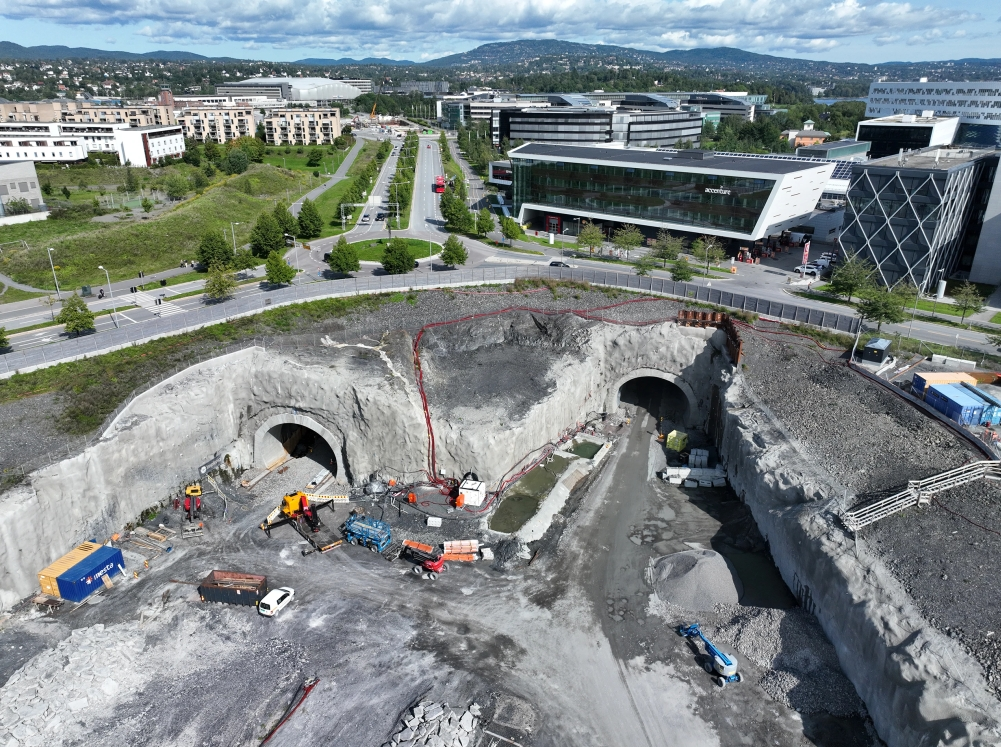
Implenia is one of Europe’s leading construction and infrastructure services companies, with extensive experience in complex tunnelling and underground construction. The Fornebu Line (Fornebubanen) is a new metro extension for Oslo, running in a continuous tunnel system between Majorstuen and Fornebu. The project is organised as an agency of Oslo Municipality, engineered and designed by Prosjekteringsgruppen Fornebubanen (PGF) — a joint venture of Cowi and Multiconsult. K2A was the first major contract advertised for the Fornebu Line, with Implenia Norge AS appointed as contractor.
Background
The Fornebu area, adjacent to Oslo’s city centre, is undergoing significant commercial and residential development. The new metro extension will provide substantially improved public transport services to the area, reducing car dependency and supporting sustainable urban growth.
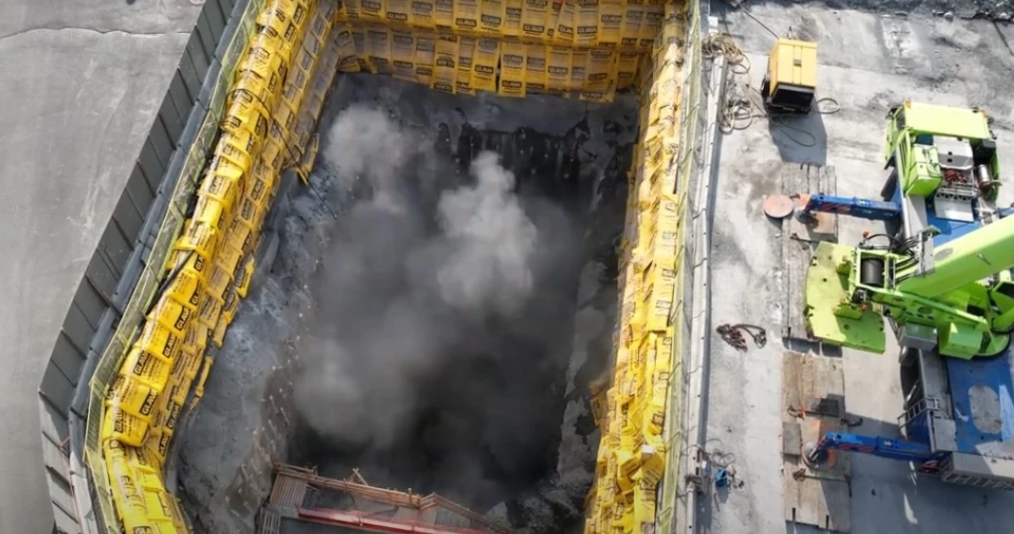
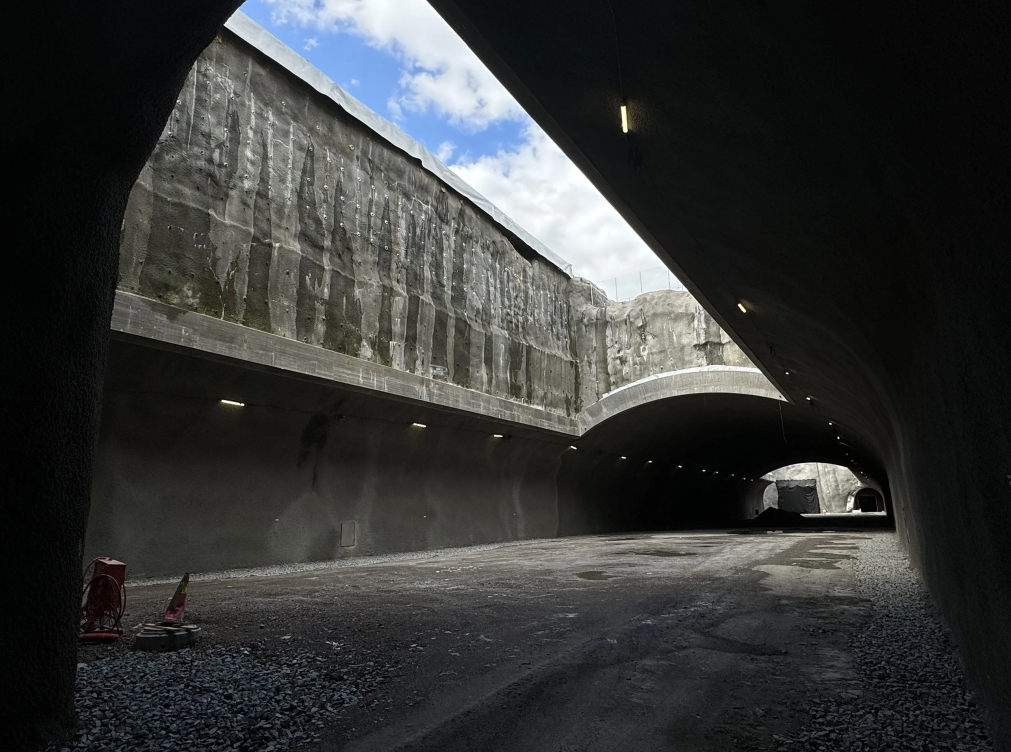
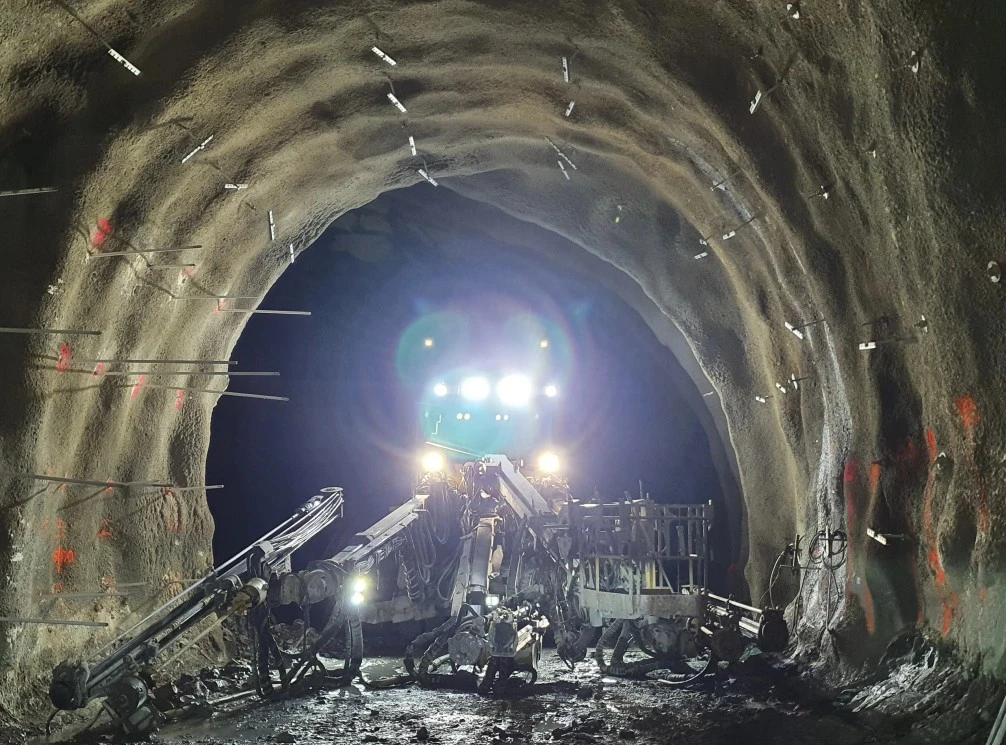
The K2A contract scope was extensive and technically demanding: 2.3 kilometres of tunnel driven from three portals, construction pits and rock shafts for two new station halls at Flytårnet and Fornebuporten, and comprehensive technical installations. The tunnel passes through challenging geology with folding structures, faults, deep gouges, clayey soils and low rock cover.
What makes this project distinctive is how the BREEAM Infrastructure assessment came about. Implenia offered to certify the project voluntarily — it was not a contract requirement. The company saw it as an opportunity to formalise and strengthen its environmental and sustainability framework, demonstrate competence for future projects, and set the standard for subsequent Fornebubanen contracts. The stated ambition from the outset was to achieve Excellent.
Challenges
The project’s geology presented the most immediate technical challenge. Low rock cover and strict inleak limits required systematic pre-grouting throughout the tunnel alignment, which created unavoidable grout emissions to the surface. Managing these emissions while maintaining trust with neighbouring properties demanded close supervision during grouting operations and sustained coordination through the neighbour contact programme.
Water management proved equally demanding. Strict discharge limits required several advanced water treatment plants with automatic flocculation systems and no-fault automatic control systems. These had to operate continuously alongside close supervision, regular sampling, and reporting to regulatory authorities.
The tunnel alignment also crossed several waterways, creating direct risk to sensitive ecological habitats. Any construction error during these crossings could cause irreversible environmental damage. The project team needed to plan, execute and monitor these crossings with zero tolerance for ecological harm — particularly around protected waterways such as the Lysaker River.
Solutions
BREEAM Infrastructure provided the framework for structuring and sustaining the project’s environmental ambitions across all work fronts. The contractor’s project team began with thorough introductory workshops involving all relevant staff — from the project manager and tunnel construction managers to surface superintendents — led by the BREEAM Infrastructure Assessor and the environmental manager. This early investment in awareness and goal-setting proved foundational.
The project ran entirely fossil-free. Only biodiesel was permitted for machinery and mass transport, and a significant portion of the tunnelling was completed emission-free using cabled electricity. The project sourced over 10,000 MWh of renewable energy for construction and installed solar panels on site offices. Combined, these measures delivered substantial CO₂ savings.
Resource efficiency was embedded throughout. High reuse rates were achieved for tunnel rock and production water. Local suppliers and rock processing sites reduced spoil transport distances by 38%. Environmental Product Declarations were obtained for all major materials, providing full transparency on embodied carbon.
Ecological protection during waterway crossings combined technical planning, pollution barriers, response systems, continuous monitoring and physical supervision during critical phases. The crossings were completed without environmental damage. Advanced water treatment plants with automatic flocculation ensured compliance with all discharge permits.
Although this was a Construction Only assessment, close cooperation with the client throughout — particularly on community engagement and third-party coordination — was essential. Regular contact with local communities and authorities, combined with proactive noise and dust monitoring with weekly reporting, maintained the project’s social licence to operate in a dense urban environment.
Benefits
The project delivered strong environmental outcomes across every BREEAM Infrastructure category, with particular strength in Resilience (100%), Landscape and Historic Environment (100%), Pollution (97.61%) and Management (93.93%). These scores reflect not isolated initiatives but systematic environmental management embedded into daily operations.
The fossil-free construction approach, powered by renewable electricity and biodiesel, demonstrated that large-scale tunnelling can be delivered with dramatically reduced carbon intensity. The project deployed Norway’s first electric crawler excavator with hydraulic hammer, advancing the industry’s electrification trajectory.
Innovation was recognised beyond the BREEAM assessment. The project was nominated for the NCE Tunneling Award 2023 in the “Innovation in Shaft Design & Construction” category for the innovative geometry and challenging work of integrating a rock shaft into existing urban structure at Akerkvartalet.
For Implenia, the assessment delivered strategic value beyond environmental outcomes. As the company’s first BREEAM Infrastructure project, it established a replicable blueprint for future certifications. The process strengthened internal sustainability frameworks, promoted awareness and goal orientation across the project organisation, and demonstrated credible competence to clients commissioning future infrastructure work.
The successful grouting regime deserves particular mention: it eliminated the need for waterproof concrete works in the tunnel entirely, reducing both material consumption and programme risk. High waste sorting rates, avoidance of landfill, and local sourcing further reinforced the project’s resource efficiency credentials.
Summary
- Project: Fornebubanen K2A – Tunnel og grunnarbeider Lysaker-Fornebu
- Client: Fornebubanen (Oslo Municipality)
- Designer: Prosjekteringsgruppen Fornebubanen (Cowi / Multiconsult)
- Contractor: Implenia Norge AS Assessor: Jostein Kjørstad, Implenia Norge AS
- Verifier: Ric Collinson, Independent Sustainability Advisor BREEAM Infrastructure
- Rating: Excellent (79.34%)
- Assessment: BREEAM Infrastructure Version 6 for Projects
- Award: Construction Only Certificate Number: CQA 837
- Date of Issue: 2 April 2025
Category Performance:
- Management: 93.93%
- Resilience: 100.0%
- Communities and Stakeholders: 90.44%
- Land Use and Ecology: 83.93%
- Landscape and Historic Environment: 100.0%
- Pollution: 97.61%
- Resources: 64.58%
- Transport: 73.26%
Key Achievements:
- 100% scores in Resilience and Landscape and Historic Environment
- Fossil-free construction — only biodiesel permitted for machinery and mass transport
- Over 10,000 MWh of renewable energy sourced for construction
- 38% reduction in spoil transport distances through local sourcing
- Waterway crossings completed without ecological damage
- Successful grouting regime eliminated need for waterproof concrete in tunnel
- EPDs obtained for all major materials Nominated for NCE Tunneling Award 2023 — Innovation in Shaft Design & Construction
Innovation Highlights:
- First electric crawler excavator with hydraulic hammer deployed in Norway
- Innovative rock shaft geometry integrated into existing urban structure at Akerkvartalet
- Advanced automatic flocculation water treatment with no-fault control systems
- Cabled electric tunnelling reducing emissions during underground works
- Solar panels on site offices supplementing renewable grid electricity
- Voluntary contractor-led certification — not a contract requirement
Browse more from our latest case studies:
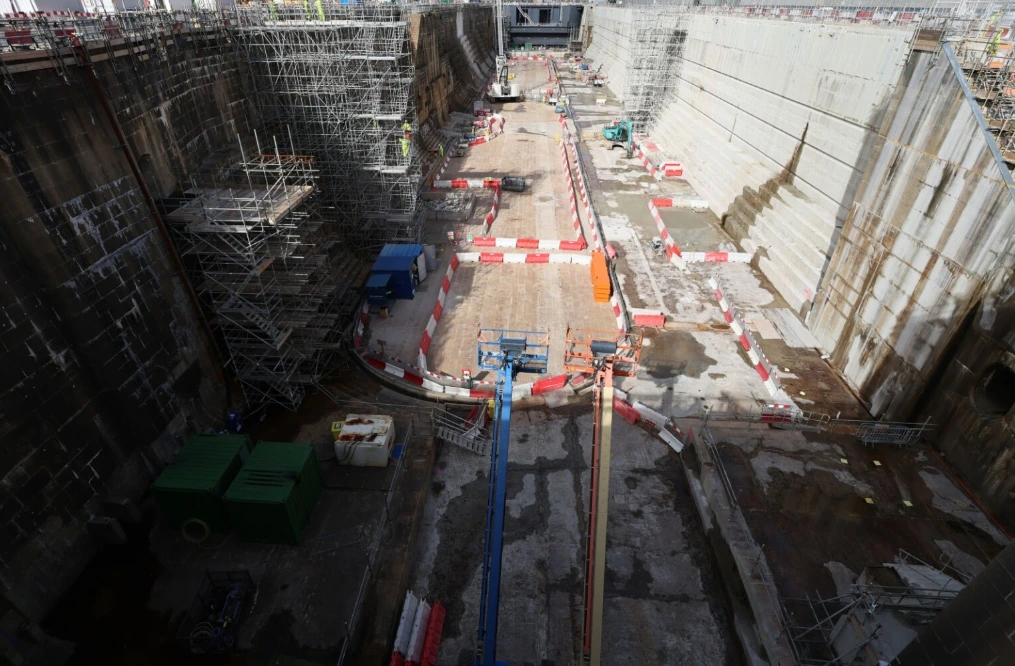
Case Study
BREEAM Infrastructure: 10 Dock Facility submarine dockyard excellence
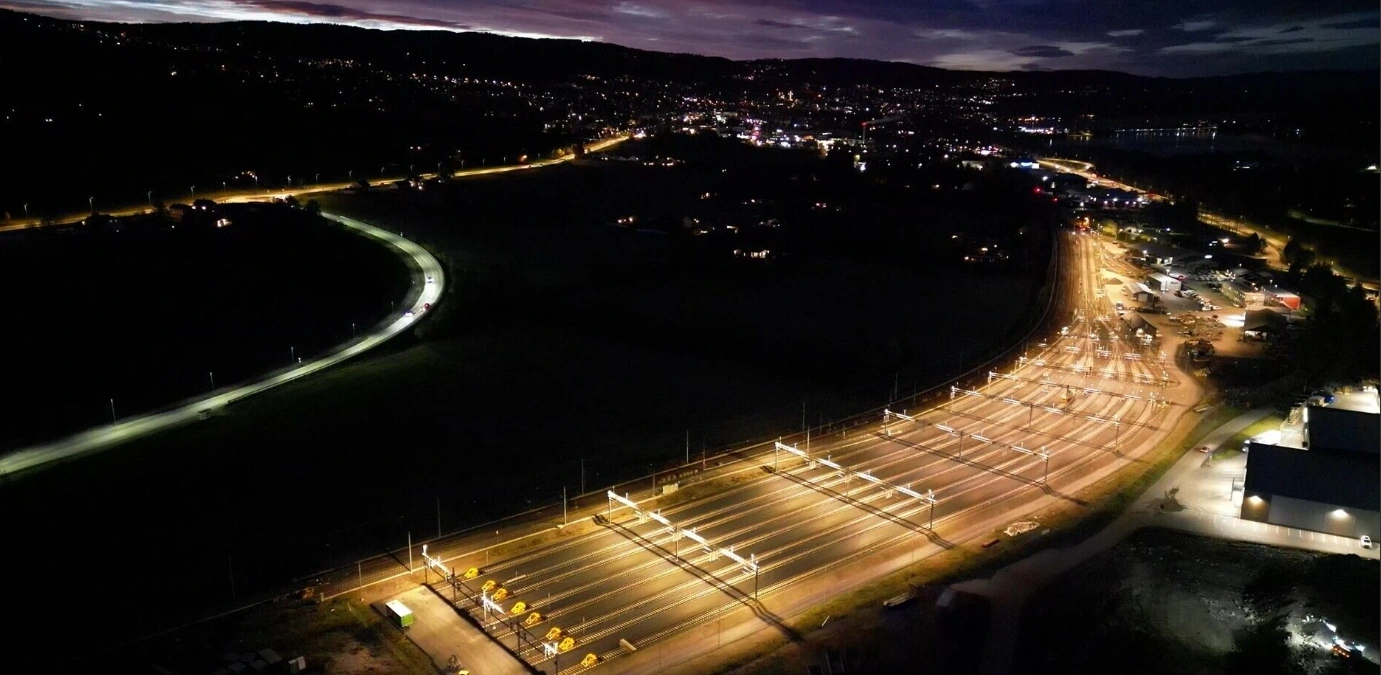
Case Study
BREEAM Infrastructure: Hove Hensetting rail stabling excellence
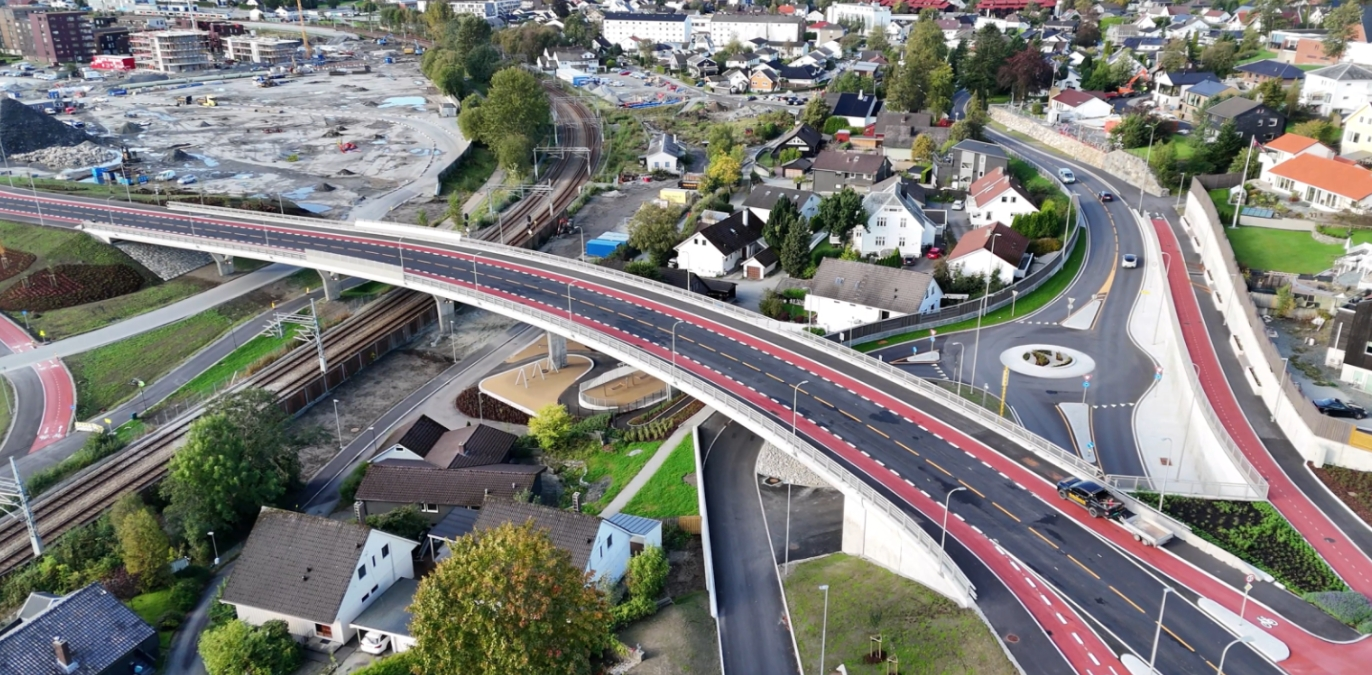
Case Study
BREEAM Infrastructure: Fv.44 Bussveien sustainable urban busway
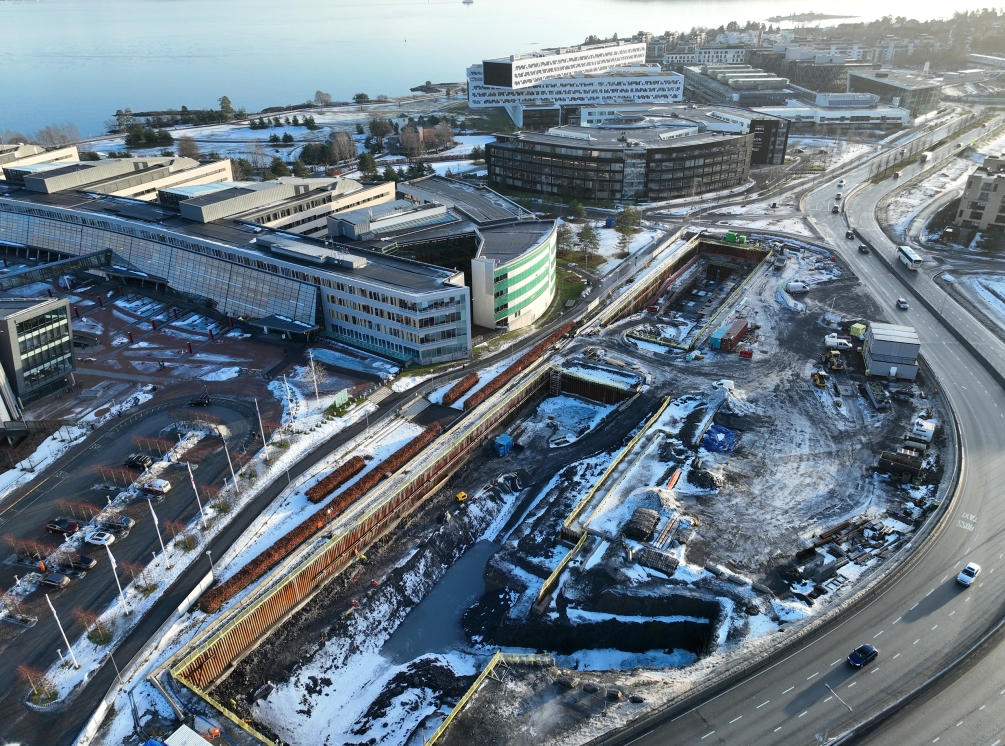
Case Study
BREEAM Infrastructure: Oslo’s sustainable tunnelling excellence
Case Study
Transpennine Route Upgrade (TRU) Programme BREEAM Infrastructure
Case Study
BREEAM Infrastructure K2B tunnel Fornebubanen excellence
Case Study
BREEAM Infrastructure Rv. 3 Tunna bru road improvement

Case Study