
Cart (0)
We can’t ignore hydrogen’s potential in construction
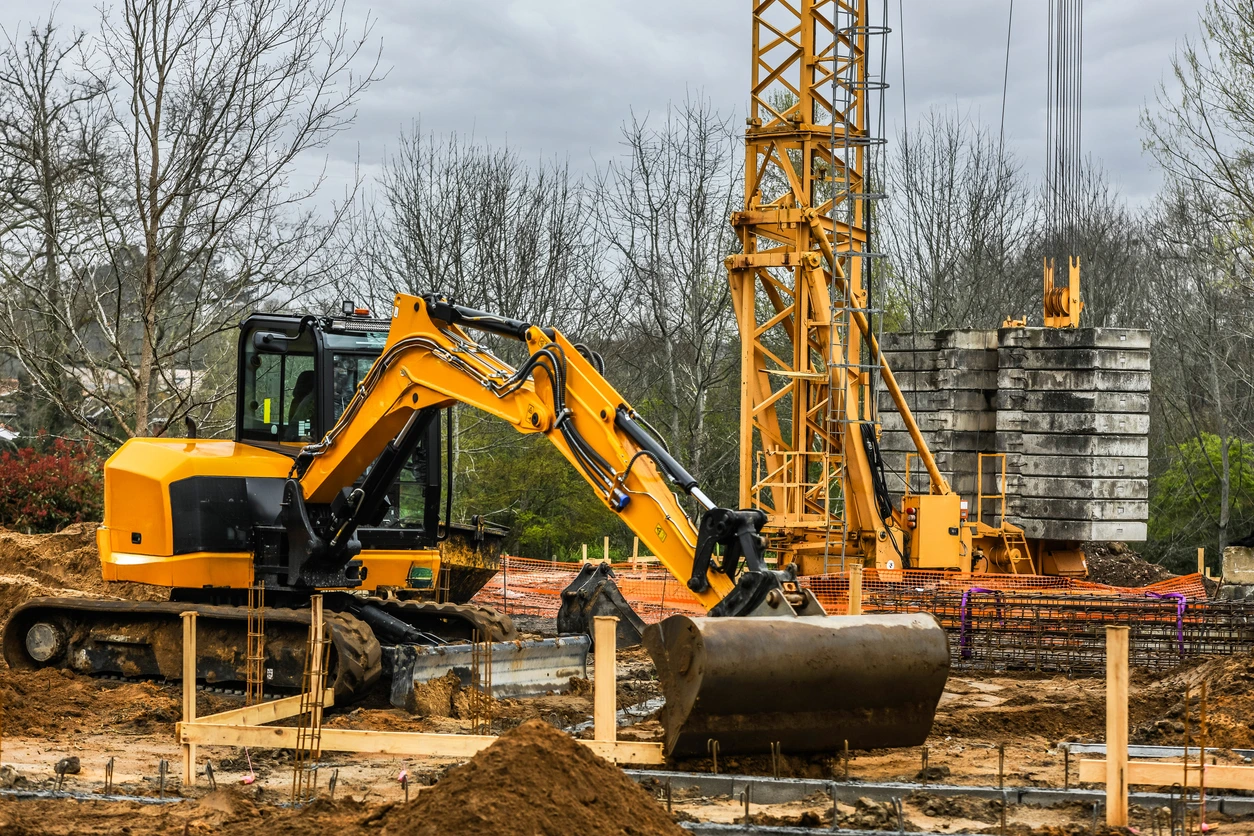
The UK construction sector consumes over 1 billion litres of diesel and hydrotreated vegetable oil each year, according to tier one contractor Skanska. The industry’s emissions are not evenly distributed across activities but concentrated within heavy non-road mobile machinery fleets that remain dependent on combustion. The Danish engineering company Danfoss estimates that globally, excavators alone account for 50 per cent of carbon emissions from construction vehicles.
If the sector is serious about decarbonisation, this is where the focus must lie. Large excavators, articulated dump trucks and other heavy earthmoving equipment operate at sustained high power over long duty cycles, often on temporary or remote sites with limited grid access. At this scale, full electrification presents practical constraints: battery weight, charging downtime and insufficient site power capacity. Electrification will play a key role in construction’s transition, but it won’t eliminate diesel from heavy high-duty plant on its own.
Hydrogen offers a way forward. Through dual-fuel systems, hydrogen can displace a proportion of diesel in existing engines, reducing carbon emissions while allowing fleets to transition without wholesale replacement. Longer term, dedicated hydrogen engines and fuel cell systems could remove diesel entirely from heavy plant.
These solutions are already being tested on UK infrastructure projects such as the Lower Thames Crossing, demonstrating technical feasibility under real operating conditions. The remaining challenge is not technical viability but the speed and scale of deployment.
Meeting production standards
It is important to acknowledge that the credibility of these solutions will depend on how hydrogen is produced. It is not inherently low carbon, and its climate value depends on upstream processes. For hydrogen to support the construction sector’s net zero ambitions, production must meet robust low-carbon standards. This presents a twin challenge of upscaling a genuinely green, low-emission hydrogen supply alongside the deployment of hydrogen-powered plant. Otherwise, the industry risks swapping to fuel substitutes without meaningful lifecycle reductions.
Decarbonisation is only one part of the case for hydrogen. Diesel non-road machinery contributes to nitrogen oxides and particulate emissions, particularly on major urban projects. Reducing diesel combustion delivers more than carbon savings, cutting air pollution and its associated public health impacts.
There remains a final, structural challenge to the UK’s hydrogen transition. BRE’s research for the Element1 project, as part of the Red Diesel Replacement programme funded through the Department for Energy Security and Net Zero’s Net Zero Innovation Portfolio, predicts heavy future concentrations of demand for construction activity in the South East of England, while much of the UK’s emerging hydrogen production capacity is planned to be located outside this region.
Without co-ordination between energy infrastructure, equipment manufacturers and construction clients, supply and demand will not align. Scaling production and distribution will be as important as scaling vehicle technology.
Browse more from our latest insights:

Construction
UK construction benchmarks 2026
Construction
We can’t ignore hydrogen’s potential in construction

Construction
What is a site waste management plan (SWMP) and how to implement one

Construction
Closing the loop: practical steps toward circular construction

Construction
BRE's 100-Day roadmap – where are we now?

Construction
BRE's response to the Grenfell Tower inquiry's report

Construction
BRE’s 100 day roadmap for the incoming UK Government

Construction