
Cart (0)
Posejdon - Szczecin Poland: Achieving BREEAM Outstanding Score
Porto Sp. z o.o. and JWA achieved BREEAM Outstanding for Posejdon under International New Construction 2016 for Commercial Offices in Szczecin, Poland.
Overview
The project ingeniously combines a revitalised 90-year-old former department store with newly designed contemporary structures, creating a cohesive urban space. Positioned at Plac Brama Portowa, it serves as a gateway to the city centre, blending business, hospitality, retail, and public amenities while respecting the historic urban fabric.
About

Client: Porto Sp. z o.o.
Assessor Organisation: JWA
Porto Sp. z o.o. is a leading Polish development company renowned for delivering high-quality, sustainable projects that contribute to urban regeneration. Working closely with JWA, they focus on creating innovative spaces that respect local heritage while meeting modern commercial and environmental standards.
Background
Posejdon covers 34,500 square metres, combining 18,000 square metres of office space with 12,000 square metres of hotel accommodation across two Marriott hotels. The development includes retail areas, Szczecin’s largest conference centre for 1,000 people, underground parking, and sustainable features such as a living green wall and rooftop terrace. Strategically located at Plac Brama Portowa, it forms a vibrant gateway to the city centre.
Challenges
The Posejdon project presented a complex set of challenges that demanded innovative thinking and precise execution. Central to these was the task of seamlessly integrating the 90-year-old DeFaKa building with modern construction, balancing respect for heritage with the need to meet rigorous energy efficiency standards.
Situated in the dense urban fabric of Szczecin’s city centre, the site imposed strict logistical constraints, requiring careful planning to manage limited access, material deliveries, and minimise disruption to neighbouring properties. Adding to the complexity was the installation of an extensive geothermal system, involving 48 boreholes drilled to a depth of 300 metres, which necessitated specialised techniques and meticulous navigation around underground utilities.
The ambition to achieve Nearly-Zero Emission Building (NZEB) status across a mixed-use development with diverse energy demands further tested the engineering design. Finally, incorporating rainwater harvesting at such scale required innovative plumbing solutions to ensure effective water conservation throughout the scheme. Each of these challenges demanded a thoughtful, integrated approach to deliver a sustainable and functional landmark development.
Solutions
The project’s challenges were met with innovative and carefully coordinated solutions, ensuring both sustainability and functionality were achieved.
- Integration of Historic and Contemporary Architecture: The historic façade of the 90-year-old DeFaKa building was meticulously preserved, while modern construction incorporated state-of-the-art systems within the building envelope. This careful balance maintained architectural coherence and met stringent energy efficiency standards.
- Urban Centre Constraints: To overcome the logistical challenges of working in Szczecin’s dense city centre, the team implemented a phased construction plan. This was supported by carefully coordinated deliveries and the use of specialised equipment tailored to operate effectively within confined urban spaces, minimising disruption to neighbouring properties.
- Technical Complexity of Renewable Systems: The extensive geothermal system, featuring 48 boreholes drilled to 300 metres, was installed using advanced mapping technologies and bespoke drilling equipment. These specialised techniques ensured safe navigation around underground utilities and infrastructure, overcoming significant technical obstacles.
- Energy Performance Targets: Achieving Nearly-Zero Emission Building status was realised through an integrated design approach. This combined geothermal and solar energy, a high-efficiency building envelope, and sophisticated energy management systems, all tailored to meet the varied energy demands of the mixed-use development while ensuring occupant comfort.
- Water Conservation in a Large Development: A comprehensive water management system was designed to collect rainwater for toilet flushing across the scheme. Advanced sensors continuously monitor water usage, enabling a 67% reduction in consumption through effective rainwater harvesting and reuse.


Benefits
The BREEAM certification process has brought significant and lasting benefits to both the Posejdon development and its developer, Porto Sp. z o.o. From the earliest design stages, BREEAM provided a structured sustainability framework that guided the team in integrating impactful solutions across the project. This approach optimised building systems, resulting in a 76% reduction in CO₂ emissions and substantial water savings. The rigorous verification ensured that these environmental ambitions were realised, offering confidence to both the developer and tenants.
Achieving an Outstanding rating positioned Posejdon as a market leader in Poland, attracting environmentally conscious tenants and enhancing financial performance through higher rental premiums and increased property value. Moreover, the certification future-proofs the investment by aligning with evolving EU regulations and reducing risks related to carbon taxation and energy costs.
Beyond financial gains, BREEAM fostered strong stakeholder collaboration and delivered an improved user experience, combining wellbeing-focused design with sustainable amenities. The development offers superior indoor air quality, thermal comfort, and biophilic features, alongside facilities such as bicycle storage and EV charging.
Ultimately, Posejdon sets a new benchmark for environmental leadership in the region, making a tangible contribution to climate goals while enhancing urban biodiversity and creating a sustainable, vibrant place to work and visit.
Summary
Posejdon stands as a pioneering example of sustainable urban regeneration, successfully blending historic architecture with cutting-edge design in the heart of Szczecin. Through close collaboration and a commitment to environmental excellence, Porto Sp. z o.o. and JWA achieved a BREEAM Outstanding certification, reflecting the project’s ambition and innovation. This landmark development not only delivers exceptional energy performance and water efficiency but also creates a vibrant, healthy environment for its community. By embracing BREEAM’s standards from concept to completion, Posejdon sets a new benchmark for mixed-use developments in Poland, demonstrating how sustainability and functionality can be seamlessly integrated to future-proof both asset value and community wellbeing.
Developer: Porto Sp. z o.o.
Assessor: JWA
Version: BREEAM International New Construction 2016
BREEAM rating: Outstanding (91.4%)
Browse more from our latest case studies:
Case Study
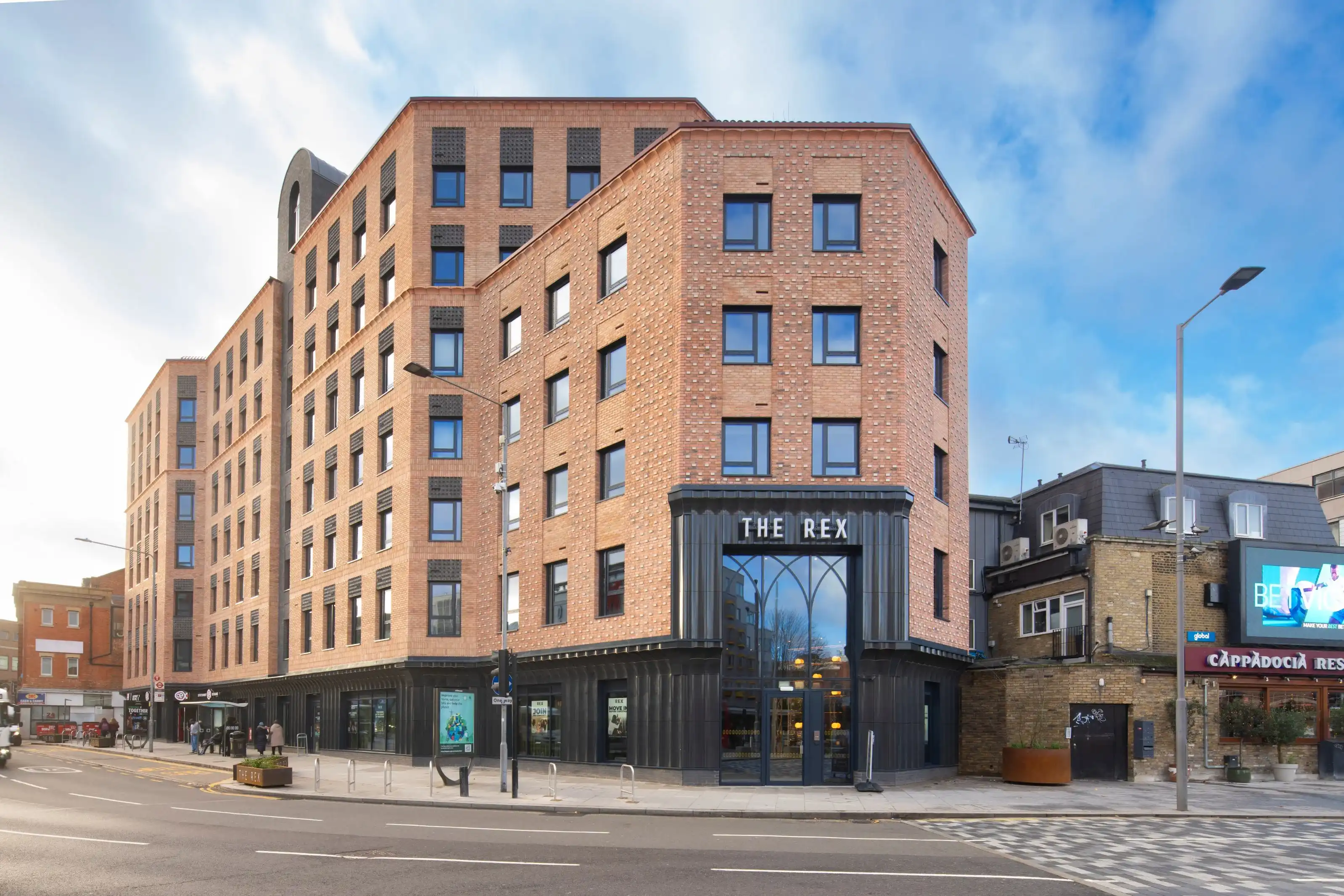
The Rex achieves BREEAM Outstanding, setting a benchmark for sustainable co-living
UK & Ireland
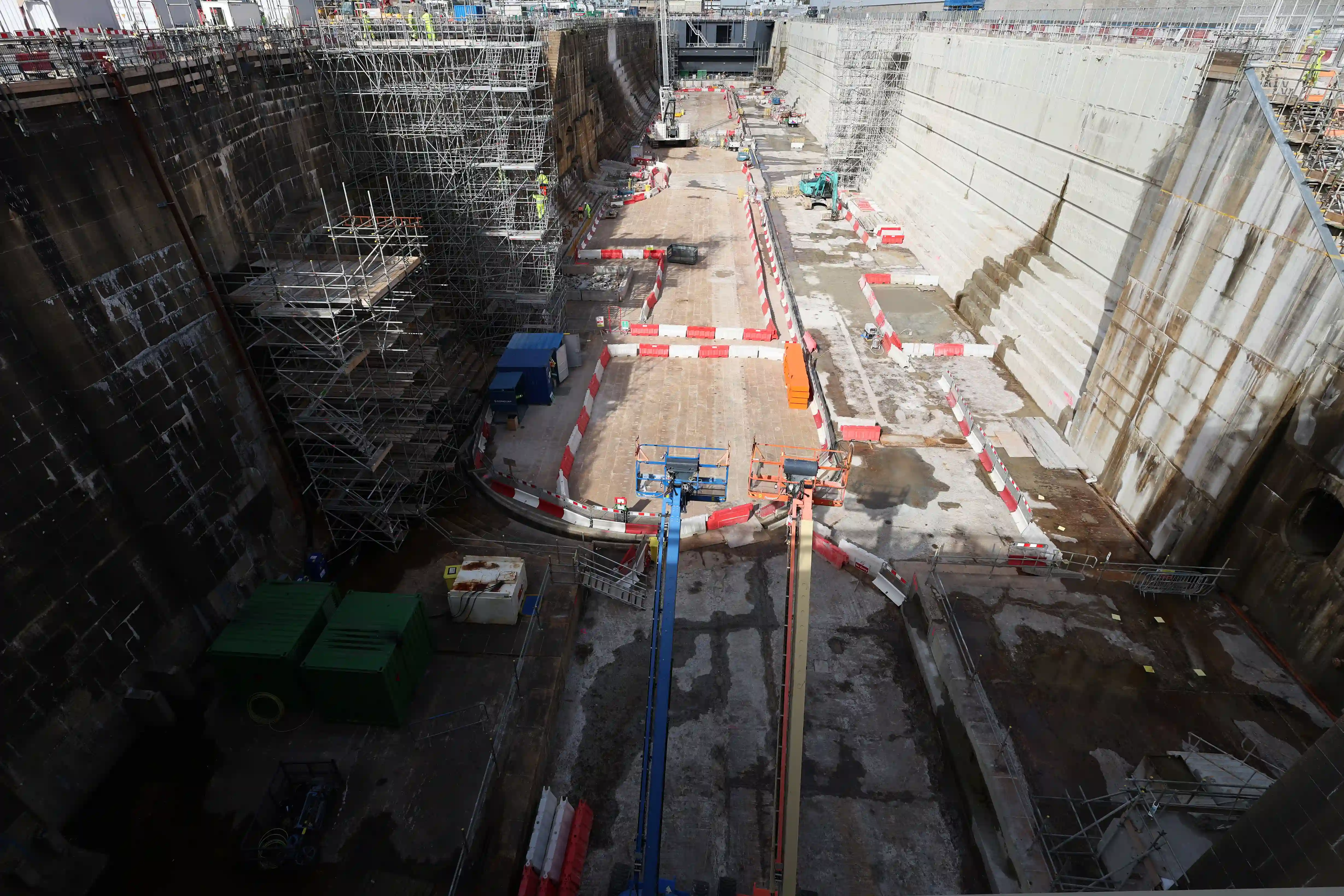
BREEAM Infrastructure: 10 Dock Facility submarine dockyard excellence
Case Study
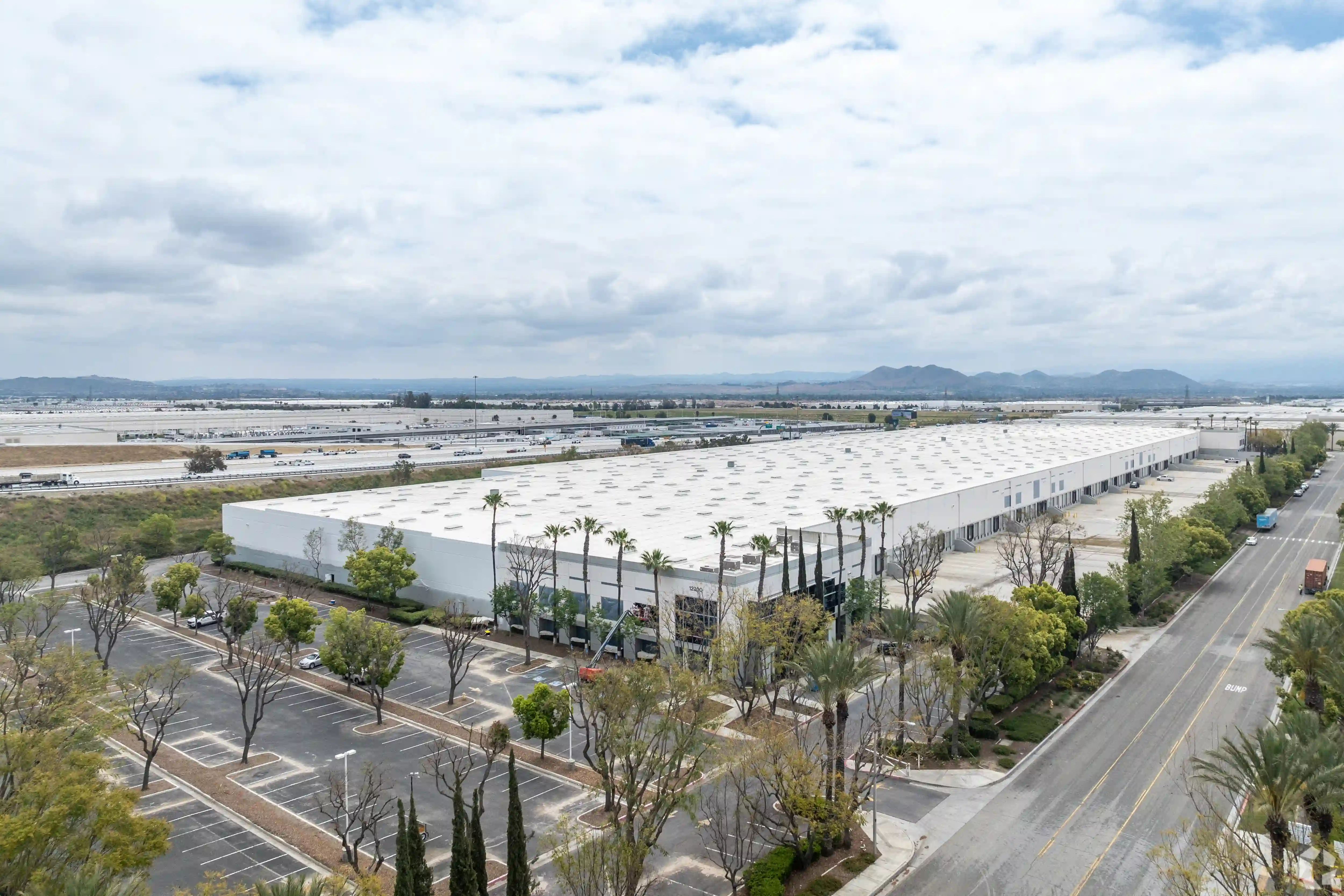
Nuveen Achieves BREEAM Certification Across U.S. Industrial Portfolio

UK & Ireland
Luas Finglas: Ireland’s first BREEAM Infrastructure Excellent rating
Case Study
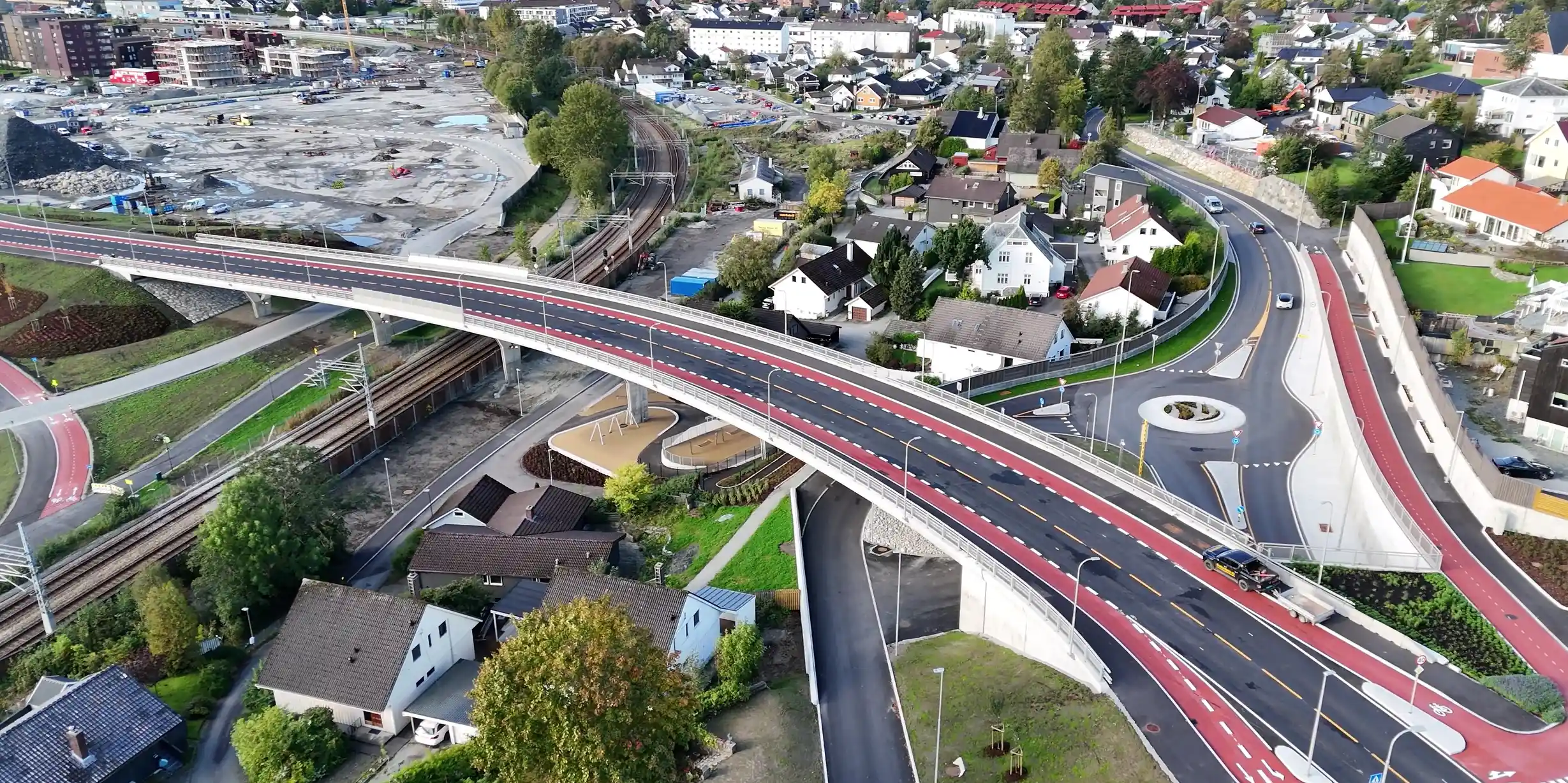
BREEAM Infrastructure: Fv.44 Bussveien sustainable urban busway
Case Study
EQT Real Estate Advances U.S. Industrial Portfolio Performance with BREEAM
Case Study
LXP Industrial Trust Uses BREEAM as a Framework for Portfolio Progress
Case Study