
Cart (0)
Birla Niyaara, Mumbai achieves India’s first BREEAM Outstanding
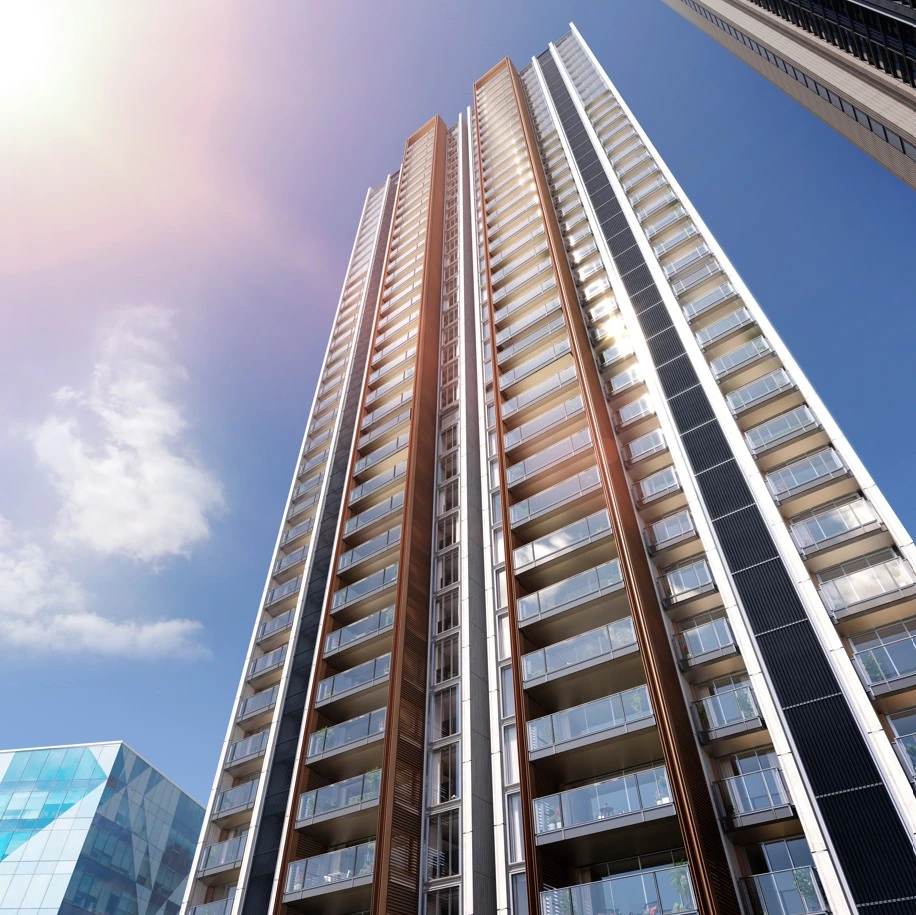
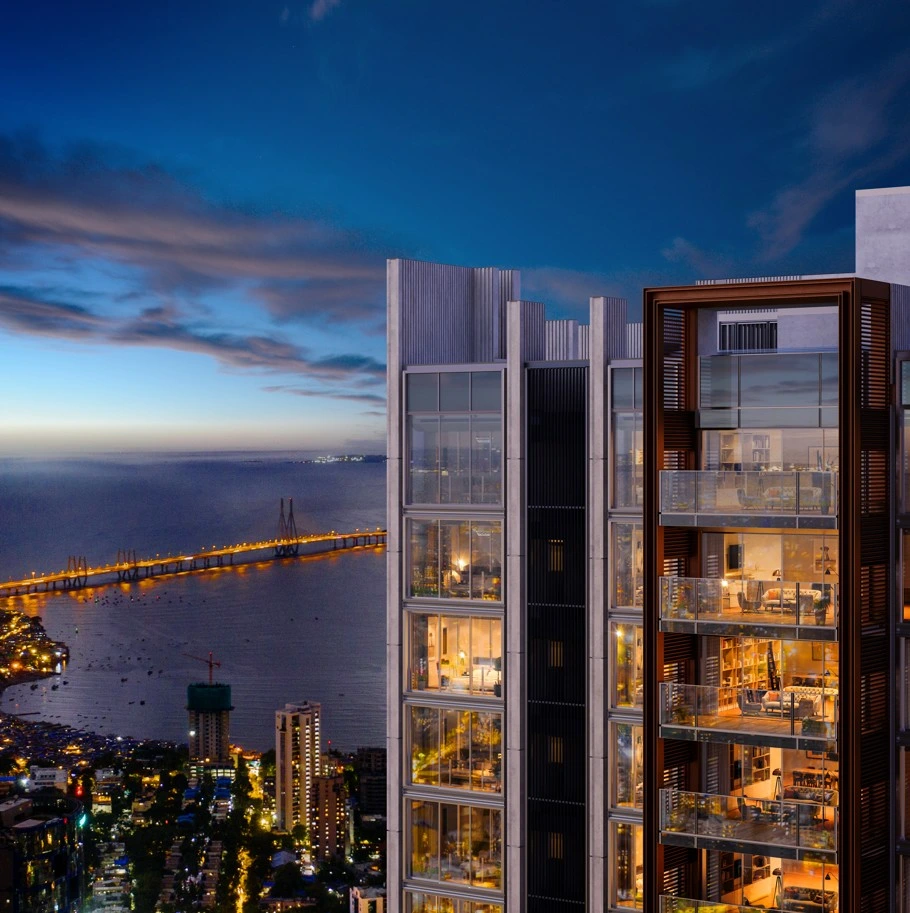
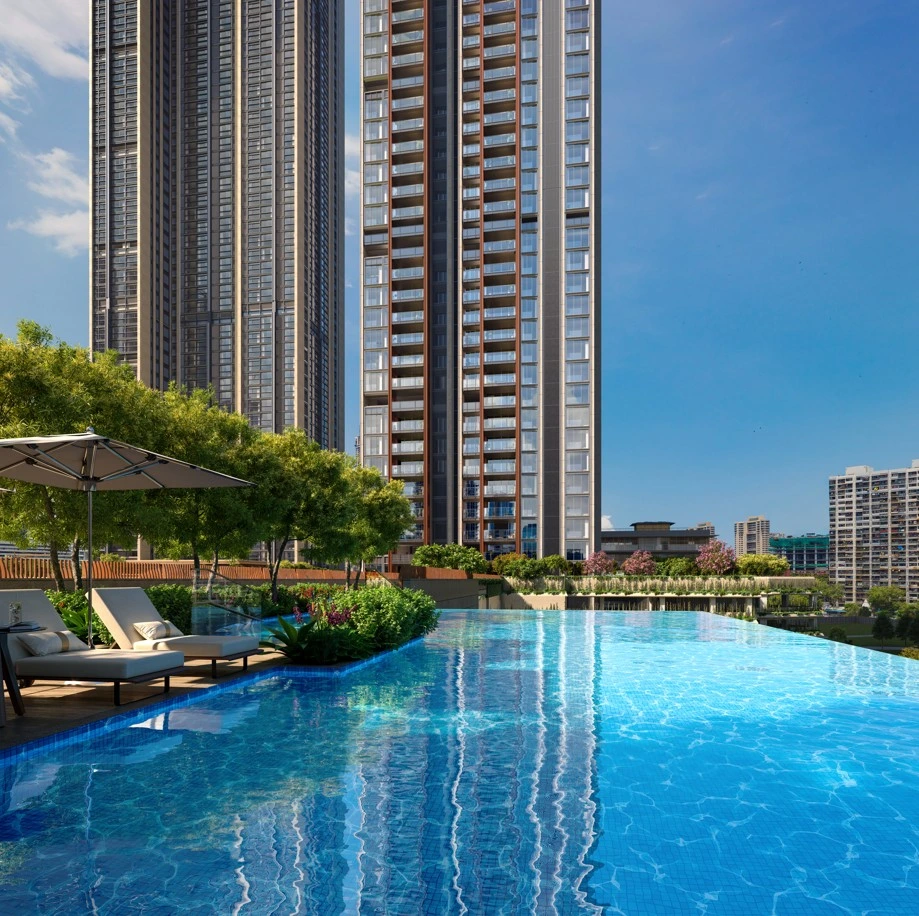
Birla Niyaara, Birla Estates’ premium mixed use development in Worli, Mumbai, is India’s only BREEAM-certified residential project and the first to achieve an Outstanding rating.
Overview
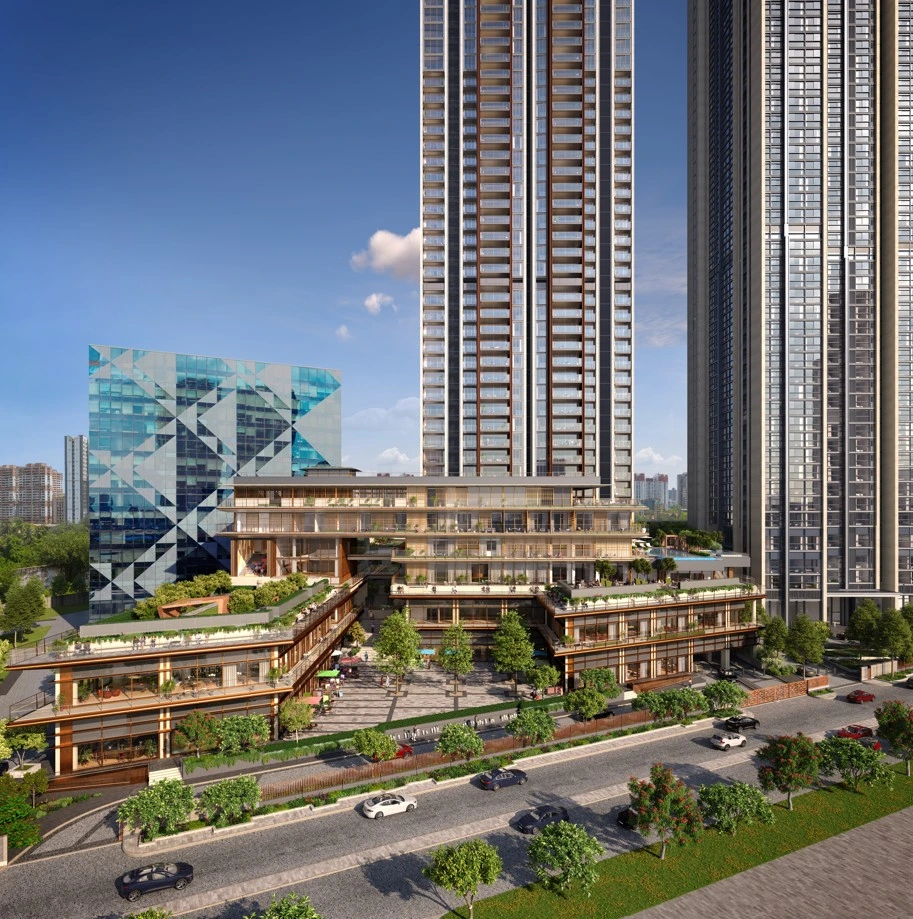
Birla Niyaara is a flagship ultra-luxury, integrated develpment spread across 14 acres in the heart of Mumbai, within the former Century Mills compound. The site presents a significant opportunity for responsible urban regeneration in one of India's most densely populated city centres.
The project currently constitutes phase 01, which includes two residential towers along with a dedicated retail and clubhouse block, with a total built-up area of approximately 279,000 m² (3 million sq ft). Guided by BREEAM International New Construction 2016 Residential, the development has achieved an Outstanding rating with a score of 85.7%, setting a national benchmark as India’s only BREEAM-certified residential project and demonstrating that world-class sustainability standards are achievable in the context of high-density urban development in India.
About
Birla Niyaara was developed by Birla Estates Pvt. Ltd., a 100% owned subsidiary of Aditya Birla Real Estate, part of Aditya Birla Group,, one of India’s largest conglomerates. Birla Estates is committed to delivering sustainable, high-quality residential developments that enrich communities and set new standards for responsible development. The project was independently assessed under BREEAM by Carbon. Climate. Certified Ltd, with Barry Rankin acting as assessor.
Birla Estates operates under an integrated management framework and holds certification to ISO 14001 Environmental Management Systems, ISO 45001 Occupational Health and Safety Management Systems, and ISO 9001 Quality Management Systems, reflecting its commitment to robust processes for environmental management, occupational health and safety, and quality assurance.
Background
One of its landmark developments is the transformation of the historic Century Mills site in Worli. Redeveloping this iconic land parcel in one of Mumbai’s most densely populated micro-markets presented both a significant responsibility and an opportunity to demonstrate customer-centric design and execution excellence.
From the outset, Birla Estates set an ambitious sustainability agenda for the project. BREEAM was adopted as the primary framework to structure environmental decision-making, drive performance improvements across energy, water, materials and ecology, and provide independent verification of the development’s credentials. The decision to pursue BREEAM Outstanding reflects the organisation’s commitment to placing Birla Niyaara at the forefront of sustainable residential development, not only in India but internationally.
Challenges
Delivering a BREEAM Outstanding residential development within a high-density urban context in Mumbai presented a number of significant challenges.
Urban density and site constraints
The site is located in the heart of Mumbai, within one of the most densely populated urban environments in the world. Developing a project of this scale in such a constrained setting required careful environmental planning at every stage, from initial site assessment through to construction management and long-term operational performance.
Historic industrial land and ecological baseline
The site’s long industrial history as a textile mill meant that the land was assessed as having low ecological value at the outset, with limited vegetation comprising mainly boundary trees, several of which were non-native species. A detailed baseline biodiversity survey was conducted in December 2020 prior to commencement of project activities, documenting the flora and fauna present on-site and evaluating the likely impacts of construction. A follow-up field survey was undertaken in March 2022 during the construction phase to reassess site conditions and monitor biodiversity, ensuring that ecological impacts were actively managed throughout the works.
Water and resource management
Integrating effective water efficiency measures, rainwater harvesting, recycling and reuse strategies within a large-scale residential development required careful design coordination to ensure both performance and practicality for future residents.
Embodied carbon in a high-growth market
Sourcing low-carbon construction materials in the Indian market, where the construction sector is growing rapidly, presented a challenge. The project team needed to identify viable substitutes for high-carbon materials and establish responsible procurement practices within a supply chain that is not yet as mature as those in more established markets.
Climate risk in a coastal urban context
Mumbai’s coastal location and high-density urban environment expose developments to a range of climate-related risks, including extreme rainfall, flooding and heat stress. Identifying and integrating appropriate resilience measures into the design required a comprehensive climate risk assessment to be undertaken and its findings embedded into design decisions at an early stage.
Solutions
BREEAM provided a structured framework that guided both strategic and technical decision-making across the project.
Management
Birla Estates’ integrated management approach, underpinned by ISO 14001, ISO 45001 and ISO 9001 certifications, provided a strong organisational foundation for BREEAM compliance. Environmental management, occupational health and safety, and quality assurance processes were embedded across the project from early design through to construction and handover, ensuring consistent performance against sustainability targets throughout.
Health and Wellbeing
Birla Niyaara prioritises occupant health through a comprehensive range of indoor environment quality measures. Ventilation in conditioned spaces, kitchens and bathrooms meets the requirements of the American Society of Heating, Refrigerating and Air-Conditioning Engineers standards. Low-emitting materials were specified throughout to protect indoor air quality, and daylight access and thermal comfort were optimised through careful building design. Together, these measures create healthier living environments aligned with leading international green building standards.
Energy
The project incorporates a range of sustainable building systems aimed at reducing operational carbon emissions and improving long-term cost efficiency. The building envelope has been optimised to minimise heat gain in response to Mumbai’s climatic conditions, thereby reducing cooling loads. High-performance Variable Refrigerant Flo HVAC systems with a coefficient of performance exceeding 4 have been specified, complemented by LED lighting throughout. Additionally, sub-metering has been implemented to enable accurate monitoring and effective management of energy consumption during operations. Overall, the project promotes enhanced sustainability and operational performance through the integration of high-efficiency systems and equipment.
Transport
The development benefits from its location within a well-connected urban micro-market in Worli, with access to public transportation and established urban infrastructure. Provisions for electric vehicle charging have been incorporated, and pedestrian-friendly planning supports reduced transport-related emissions and promotes sustainable mobility choices for residents.
Water
As water efficiency is a key priority for Birla Estates, low flow fixtures and efficient plumbing design reduce potable water demand across the development. Rainwater harvesting systems have been incorporated, alongside water recycling and reuse strategies. Drip irrigation is being installed to minimise water use for landscape maintenance. Together, these measures significantly reduce the development’s overall demand on the municipal water supply.
Materials
Responsible material selection was prioritised throughout the project. Certified, low-impact and regionally sourced materials were used wherever feasible, reducing transportation emissions and supporting responsible procurement. Embodied carbon was reduced through the use of blended concrete incorporating ground granulated blast furnace slag and fly ash as partial cement replacements, and autoclaved aerated concrete blocks were used for masonry applications. A sustainable procurement approach and lifecycle-focused material choices contributed to lowering the overall environmental footprint of the development.
Waste
Structured waste segregation and diversion practices were implemented during construction to minimise landfill disposal and promote responsible waste handling. During the operational phase, organic waste converter machines will be installed to manage biodegradable waste generated within the development, enabling on-site treatment and conversion into compost and reducing the environmental impact associated with the transportation and disposal of organic waste.
Land and Ecology
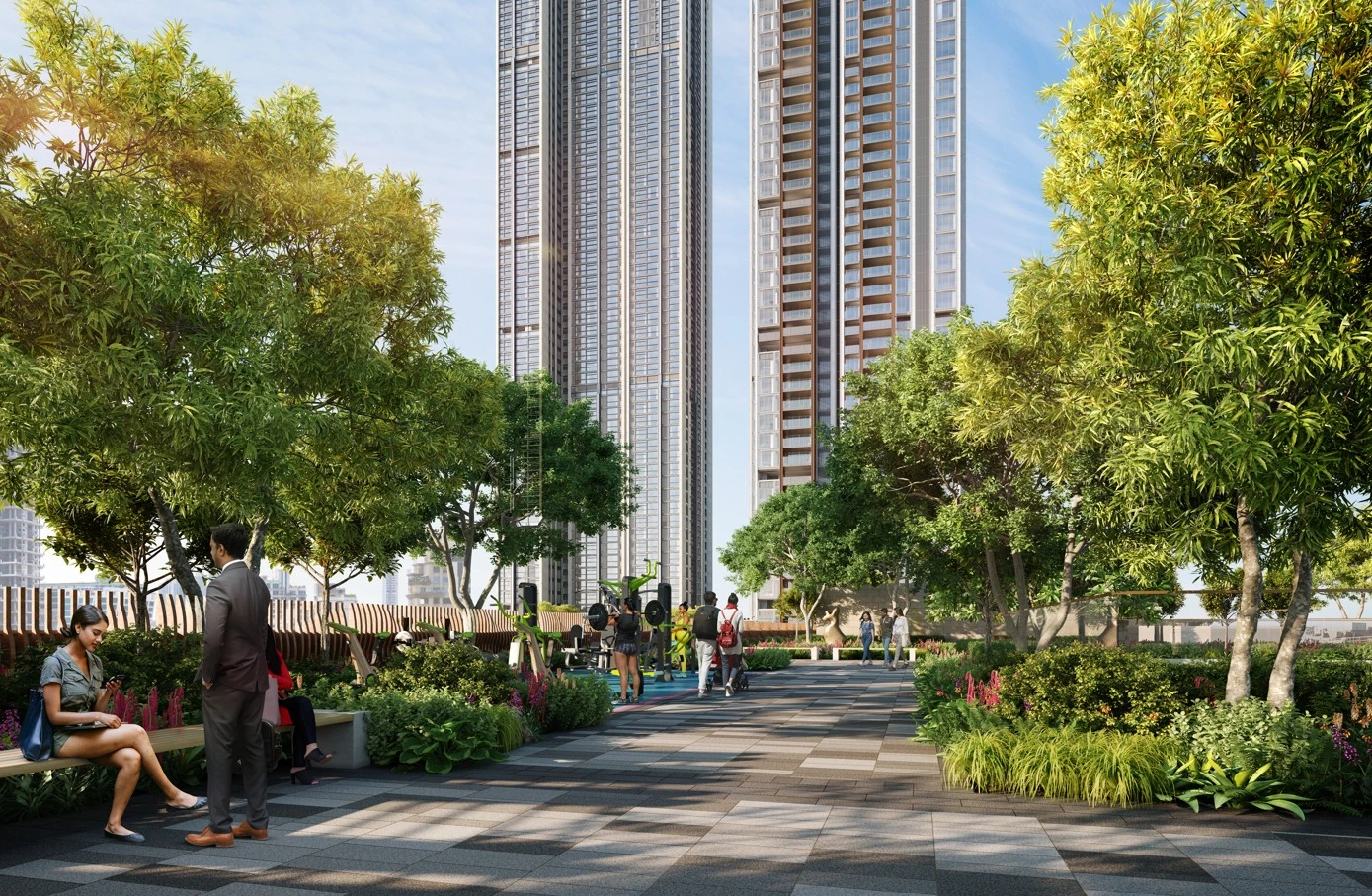
Although the site had a low baseline ecological value, a detailed programme of ecological assessment and monitoring was carried out to manage impacts responsibly. Baseline and follow-up biodiversity surveys were conducted in December 2020 and March 2022 respectively, documenting site conditions before and during construction. Landscape design incorporates native and adaptive plant species to enhance urban biodiversity and improve the ecological profile of the site post-development.
Resilience
A comprehensive climate risk assessment was undertaken to evaluate the physical climate risks facing the development, including extreme rainfall, flooding and heat stress, tailored to Mumbai’s coastal and high-density urban context. The findings of this assessment were integrated into the design stage, enabling the adoption of appropriate mitigation and resilience measures to enhance the project’s long-term environmental performance and climate adaptability.
Pollution
A range of measures were incorporated to manage pollution across the construction and operational phases. During construction, site barricading and regulated material handling practices were implemented to minimise dust and air pollution impacts on the surrounding neighbourhood. Air quality indicators including SOx, NOx and particulate matter levels are continuously monitored and displayed at the project entrance, providing transparency and real-time awareness of environmental performance. Strategies to reduce light pollution, manage stormwater runoff and limit refrigerant-related emissions were also incorporated in alignment with recognised standards.
Benefits
Birla Niyaara achieved BREEAM Outstanding with a score of 85.7%, making it India’s only BREEAM-certified residential project and the first in the country to achieve an Outstanding rating. This sets a national benchmark and positions the development at par with leading international sustainability standards.
For Birla Estates, BREEAM certification strengthens brand credibility, enhances investor and stakeholder confidence, and clearly differentiates the asset within India’s premium residential market. The certification supports the organisation’s ESG objectives and reduces long-term operational and regulatory risk.
BREEAM provided a structured framework to manage the environmental and biodiversity considerations associated with the site’s dense urban context and historic industrial use. It enabled comprehensive ecological assessments, mitigation planning and monitoring, reducing environmental risk and supporting responsible urban regeneration.
Beyond certification, the project delivers measurable performance improvements across energy, water, materials and management practices, resulting in improved resilience and long-term asset value for both the developer and future residents.
At a national level, Birla Niyaara demonstrates that BREEAM Outstanding is achievable within the context of large-scale residential development in India, providing a replicable model for the industry and helping to raise the bar for sustainable development across the country.
*Artists’ impressions
Summary
Project Title:
Birla Niyaara Worli
Location:
Worli, Mumbai, India
Building Type:
Mixed use development ( two residential towers with dedicated retail and clubhouse).
BREEAM Standard & Version:
BREEAM International New Construction 2016 Residential
BREEAM Rating:
Outstanding – 85.7%
Certificate Number:
BREEAM-0088-2027
Developer / Client:
Birla Estates Pvt. Ltd.
Assessor Organisation:
Carbon. Climate. Certified Ltd.
Assessor:
Barry Rankin
Browse more from our latest case studies:
Case Study
Aermont achieves BREEAM Excellent for Manifattura Tabacchi refurbishment
Case Study
Nuveen Achieves BREEAM Certification Across U.S. Industrial Portfolio
Case Study
The Peninsula London. Built to endure. Engineered to perform.
Case Study
BREEAM Infrastructure: 10 Dock Facility submarine dockyard excellence
Case Study
EQT Real Estate Advances U.S. Industrial Portfolio Performance with BREEAM
Case Study
BREEAM Infrastructure: Hove Hensetting rail stabling excellence
Case Study
BREEAM Infrastructure: Fv.44 Bussveien sustainable urban busway
Case Study