
Cart (0)
It’s time for housing professionals to rise to the infrastructure strategy challenge
The government is clear on the need for homes, but what do we need to deliver, asks Jane Goddard, Deputy Chief Executive at BRE in Inside Housing.
The government’s 10-year Infrastructure Strategy provides a vital opportunity for the housing sector to reflect and embrace change. For the first time, the strategy places the country’s requirements for economic infrastructure alongside the need for social infrastructure such as schools and hospitals, and, critically, the need for homes.
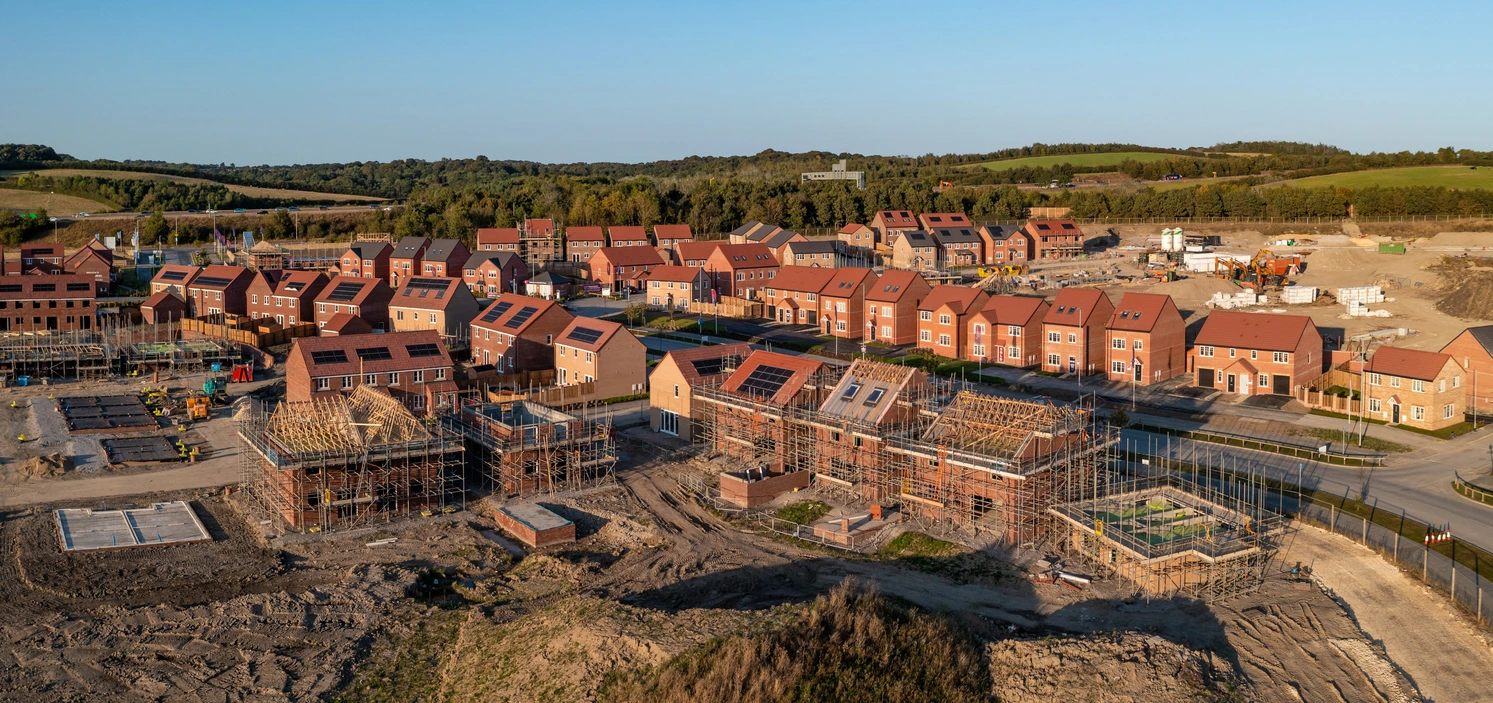
New digital, spatial tools will support planning and placemaking, linked to the government’s wider planning reform agenda. There’s £39bn of funding for 300,000 affordable homes, £16bn for the National Housing Bank designed to draw in additional private finance, and plans to develop up to 12 new towns. The government is putting a historic amount of economic and political capital behind its flagship policy of 1.5 million new homes over this parliament.
Although this is positive news, it comes as the housing industry faces sluggish growth. UK housebuilding fell to a seven-year low in 2024 according to Savills. Significant, rapid growth will require tackling low productivity in the construction sector – a long-term problem.
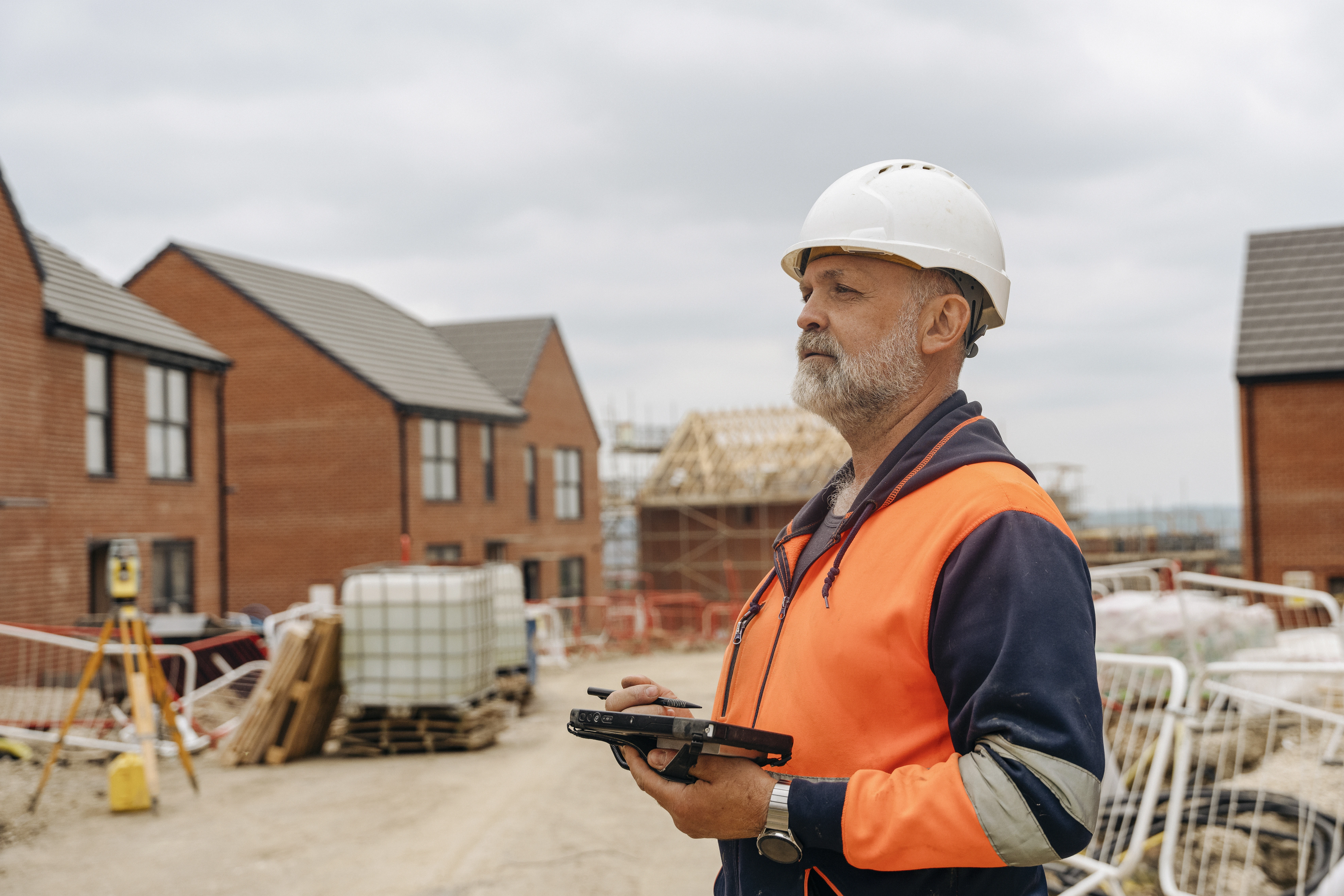
Work is being undertaken to explore what can be done to build momentum. To improve productivity, industrial construction techniques are increasingly being adopted in the industry. We need greater standardisation in procurement, design and specification to further unlock this.
“To improve productivity, industrial construction techniques are increasingly being adopted in the industry”
Industry strongly supports a place-based approach that underpins a rolling programme of housing delivery. Coupled with action from clients, in procurement requirements and, at the early design stage, this approach can unlock a move away from a short-term cost focus towards long-term value creation. Constructing Excellence’s Value Toolkit has been developed in partnership with industry and government. It shows how clients, policymakers and project teams can base decisions on economic, social and environmental returns from projects.
There can be little doubt that the government’s laser focus is on increasing the pace of housebuilding. Still, the opportunity is to deliver homes that will need to meet occupier needs for decades to come, avoiding costly future refurbishment.
The government’s intent is to make ‘exemplary development’ the norm through its various housebuilding programmes. That should mean developments that are resilient to a changing climate, are ready for net zero and are contributing to nature restoration.
A focus on sustainability is important not just to enable communities to thrive, but also to fulfil the Infrastructure Strategy’s aims of driving private finance for the new construction that the country needs. BRE’s experience – working with investors specifying BREEAM sustainability certification – is that exposure to climate risk is increasingly a key investment consideration for property assets.
The Infrastructure Strategy rightly emphasises the importance of the clean energy transition, but overlooks one of the biggest drivers of emissions – embodied carbon.
It’s estimated that over half of a new home’s lifetime emissions are now released before a resident even moves in, largely through the materials used in construction. Tackling these emissions means reshaping supply chains and embedding whole-life carbon considerations into every stage of delivery.
“It’s estimated that over half of a new home’s lifetime emissions are now released before a resident even moves in, largely through the materials used in construction”
We’re expecting that regulation, and standards for publicly supported housebuilding, will increasingly require this approach. Learnings will come from a growing number of developers that already recognise the importance of reporting whole-life carbon, using tools like BREEAM.
There remain significant industry challenges to achieving the government’s housebuilding targets and Infrastructure Strategy ambitions. Skills and workforce availability are vital and the government is making investments with its new £625m Construction Skills Mission. The need is for a whole-workforce approach that goes beyond just the construction sector. Workforce planning is required for the teams that will regulate, procure and specify the new housing and infrastructure; in government, in local and strategic authorities, and in housing providers.
Completing the policy picture for homes will be the upcoming long-term housing strategy. For the construction industry, longer-term certainty will be key to embedding new technologies and skills that can transform construction delivery. For everybody involved in housing, the opportunity is to focus on the homes and infrastructure we need for the future, delivering placemaking for thriving communities.
This article first appeared in Inside Housing.

Jane Goddard, Deputy Chief Executive at BRE
Browse more from our latest insights:

BREEAM
Resilience makes the case. Why doesn’t it make the budget?
Insights
BREEAM marks 10 years in the U.S.: a decade of sustainable building progress
SmartWaste
Landfill diversion is working – but waste is still rising

BRE Group
Supporting healthy indoor environments is a growing imperative for business

BRE Group
Evolving BIM standards don’t make today’s training obsolete

Construction
UK construction benchmarks 2026

BRE Group
BREEAM V7: what the new standard means for Hungary's property market
Residential