
Cart (0)
‘It is about adding financial value rather than being green’
Tom Wilson, Head of BREEAM Development, talked to Nicol Dynes from Real Asset Impact about the launch of BREEAM V7.
BREEAM is the world’s longest-established method of identifying the sustainability of buildings, infrastructure and masterplanning projects. It’s a science-based system, first established by the Building Research Establishment in the UK in 1990, that evaluates and certifies the environmental performance of buildings throughout their life cycle, from design and construction to operation and refurbishment.
There are now nearly three million BREEAM-registered buildings across 104 countries in the world.
IMPACT asked Tom Wilson, head of BREEAM development, about the evolution of the certification system, current challenges and future plans.
You have just launched the latest version of BREEAM certifications. V7 focuses on operational as well as embodied carbon. How comprehensive an overhaul is it?
It is quite a comprehensive overhaul, with a focus on managing and reporting whole-life carbon and net-zero targets in response to the latest market drivers, global sustainability benchmarks and EU directives. It is a more rigorous approach that deals with challenges such as resilience and biodiversity.
We’ve taken the opportunity to push the requirements for biodiversity for both UK and international projects and we have strengthened the categories for resilience.
The main fundamental and underlying driver remains science: climate change is driving the need to decarbonise and restore biodiversity. Regulations and the market are responding to this change.
What practical changes will we see?
We are updating the benchmarks on operational energy, taking into account the move towards zero carbon emissions.
In practice it means there is a bigger drive towards the electrification of assets to reduce carbon, no fossil fuels on site and better air quality. We expect the use of electricity to increase and we have introduced demand-side management, in order to help the power-generation sector to do better and be more flexible.
Another big aspect for operational energy is thinking about real-life performance; the traditional focus has been on regulated emissions from buildings – that is light, heating and cooling. We’ve worked with the industry to improve the rules and capture all the emissions, not just the regulated ones, as we have expanded to more asset types and more localities.
We have introduced predicted carbon performance in every jurisdiction we operate in. The prediction can then be compared to measured results in order to close the performance gap.
Non-regulated emissions can often be more significant – think of a swimming pool in a residential complex, or a small server room or data centre. We are looking to enhance our work on data centres, but that’s work in progress.
What about embodied carbon?
There is a real push on embodied carbon. BREEAM has been working on this for the past 20 years, of course, but we have slowly increased our focus on this issue. We have introduced minimum standards and embodied-carbon benchmarks, including mechanical equipment. You now need to do a life-cycle assessment.
We have also taken this issue from the UK to global. We have a long history in Europe, but, more recently, we have increased our presence in the United States and in South East Asia, especially China. We focus on these markets, but we have BREEAM assessments in over 100 countries.
Which countries or markets are performing better?
Around the world there is a combination of people following voluntary standards like BREEAM and people who are just following regulations. Sometimes, in markets where there is no real regulation, BREEAM is used as global best practice to really stand out, while in Europe it is hard to improve over regulation.
In an ideal world, you need both. Regulations set a baseline, but if you really want to change things, you need the companies investing trillions of dollars into real assets to be demanding that change.
I would say the UK, the Netherlands and the Nordics have the best examples of buildings. The UK is ahead on embodied carbon, but it is behind on biodiversity: we are one of the most bio-depleted countries in the world. Biodiversity also links well to the resilience agenda. The idea is to use nature-based solutions to foster resilience.
We have always looked at air quality, flood resistance and so on, but now we are combining everything to get to the most sustainable solutions.
Are EU regulations too stringent, as some companies complain?
EU Taxonomy has some challenges, as we found in integrating it in BREEAM – it generated some friction. The ongoing Omnibus work to refine it is a very good idea. Companies with international portfolios find reporting difficult, as there are different definitions of net-zero carbon in different jurisdictions they operate in.
We’re also updating our digital platform to make it more granular. We collect all the data in a single assessment, which allows you to report to different jurisdictions in a more efficient way. So, within a BREEAM assessment, you will have the tools and data to know how to report.
We are trying to lower that burden and make things more consistent. That is why we talk to GRESB, and we have collaborated on sustainable finance guides with the US and Australian green building councils. We also talk to end clients who use BREEAM and ask what information they want out of their portfolios. The work will continue. We won’t get to perfect data that work for everyone, but we will keep improving it.
There has been a real backlash against ESG, especially in the US, yet there seems to be ever-increasing demand for sustainable assets. How do you see the situation evolving?
The backlash is largely noise and it will change, because everyone can see the consequences of climate change, like this summer’s wildfires.
Asia is ahead in many ways because they are already at risk from climate impact. Here in Europe, we have taken it for granted that we can just change things later, when it might be too late. Some Asian cities, like Singapore, have really got it right, learning from others’ mistakes and focusing on climate resilience.
Our focus is on delivering real value. I if you have energy-efficient buildings, you are able to attract higher rent premiums, so landlords see that it makes sense.
In the US, people are not holding back, even if some of the terminology has changed, so ESG is not talked about, but rather value investing or de-risking portfolios. The Trump effect has led to changes in job titles, but it has not changed the substance. US investors are looking to BREEAM as a way to de-risk their investment, future-proof their assets and improve their portfolio.
Equally, wherever you are, if you are not making sure your assets are low carbon, people will not invest in them, so again it is a rational business decision. It is about adding financial value rather than being green.
Looking ahead, are you optimistic about the future?
There are huge challenges ahead, but I am always an optimist. It is a fact that buildings have become more efficient, but also more assets have been built, so we are not in a total downward carbon trajectory. A lot of the technologies and materials we need already exist, like low-carbon steel and cement, and there is an increasing amount of renewable energy on the grid.
We must build it at scale. Some items have become cost competitive, like renewable energy, while others like low-carbon steel and cement are still expensive. We have seen some fossil fuel projects cancelled because renewables are cheaper.
Fourteen years ago when I started, I had to make the case for sustainability. Now people come to me with very specific questions. They understand the challenges and want to make the right decisions.
This makes me optimistic, because investor focus can really drive change.
BREEAM V7: the key changes
Version 7 of BREEAM New Construction launched in September 2025, and includes:
- Expanded whole life-cycle carbon requirements, including benchmarking and reporting for both predicted operational and embodied carbon.
- Incorporation of optional EU taxonomy criteria and alignment with the EU Zero Energy Buildings definition to ensure buildings meet or exceed European regulations – including prohibiting fossil fuel combustion on site for an Outstanding rating.
- Updated climate-resilience criteria for extreme weather and new health and well-being standards for occupants.
- Updated biodiversity requirements, including global benchmarks for Biodiversity Net Gain.
- Streamlined reporting and alignment with internal and external reporting frameworks.
This article first appeared in Real Asset IMPACT October 2025.

Tom Wilson, Head of BREEAM Development at BRE
Browse more from our latest insights:
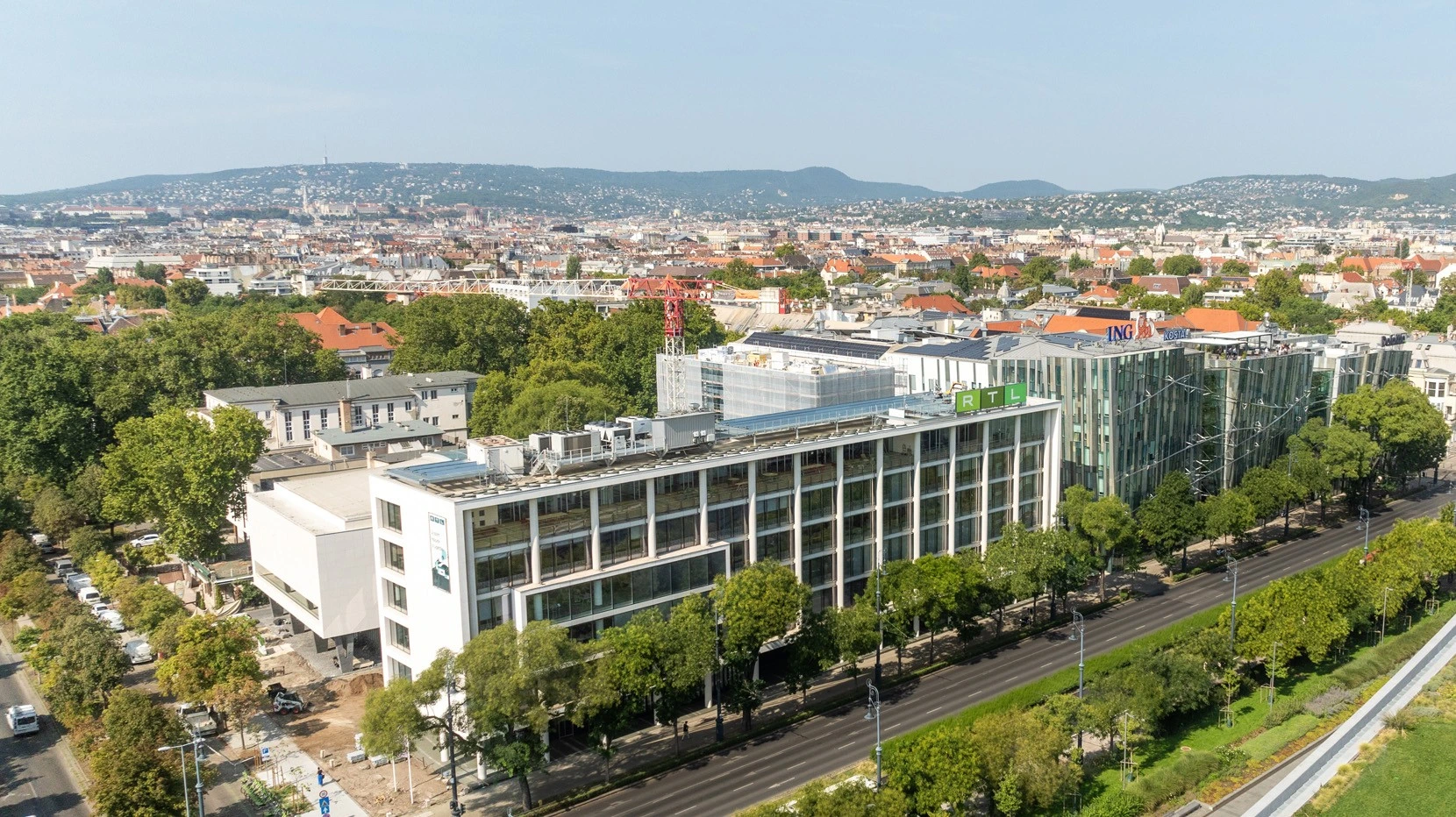
BRE Group
BREEAM V7: what the new standard means for Hungary's property market
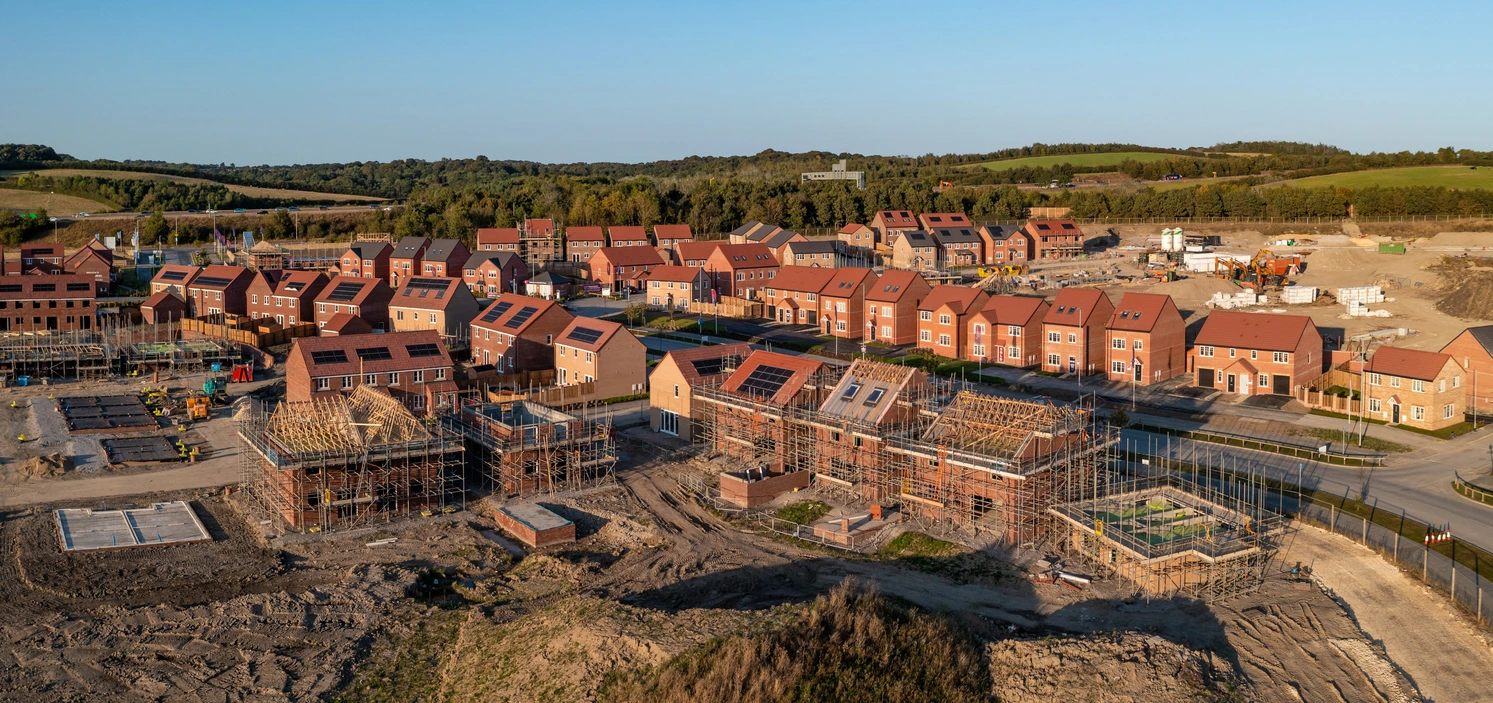
Residential
New homes in new towns can exemplify sustainability and resilience

USA
How Building Performance Standards Are Accelerating Demand for BREEAM in the U.S.
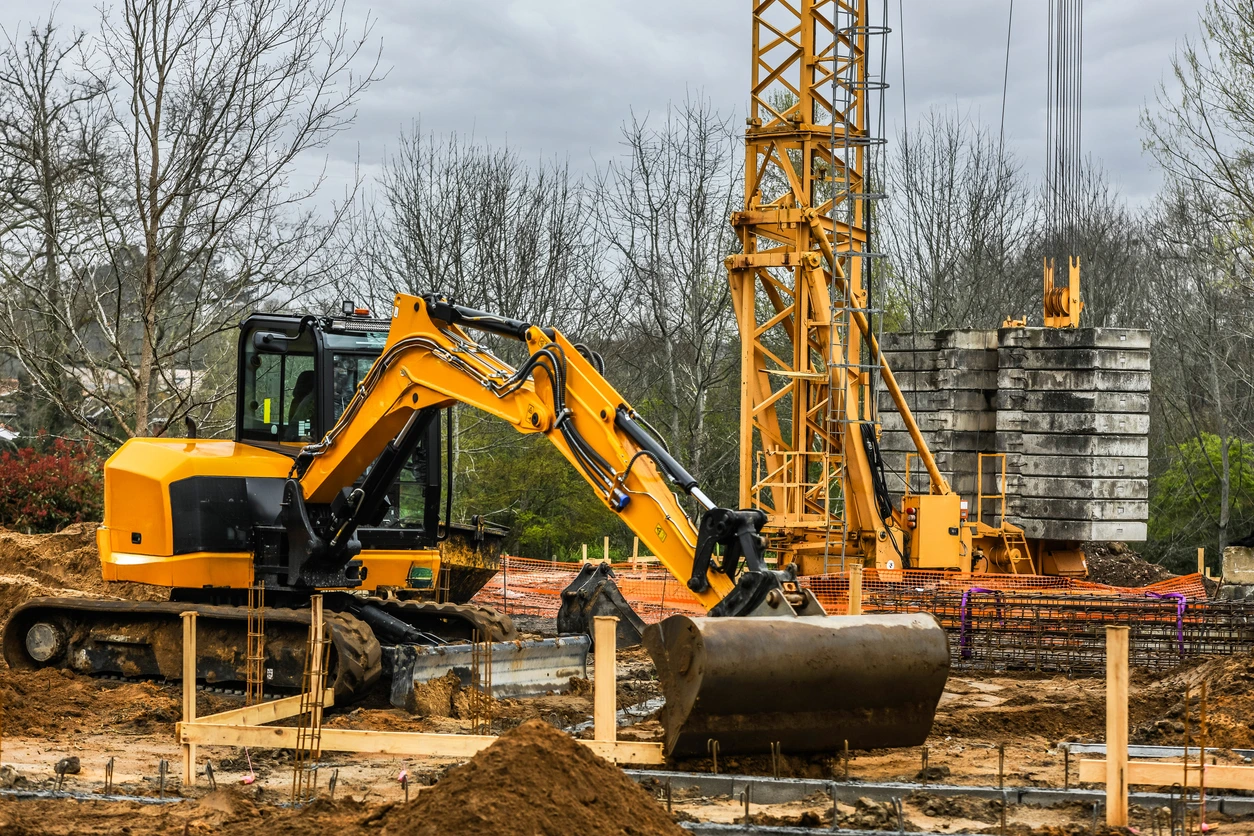
Construction
We can’t ignore hydrogen’s potential in construction
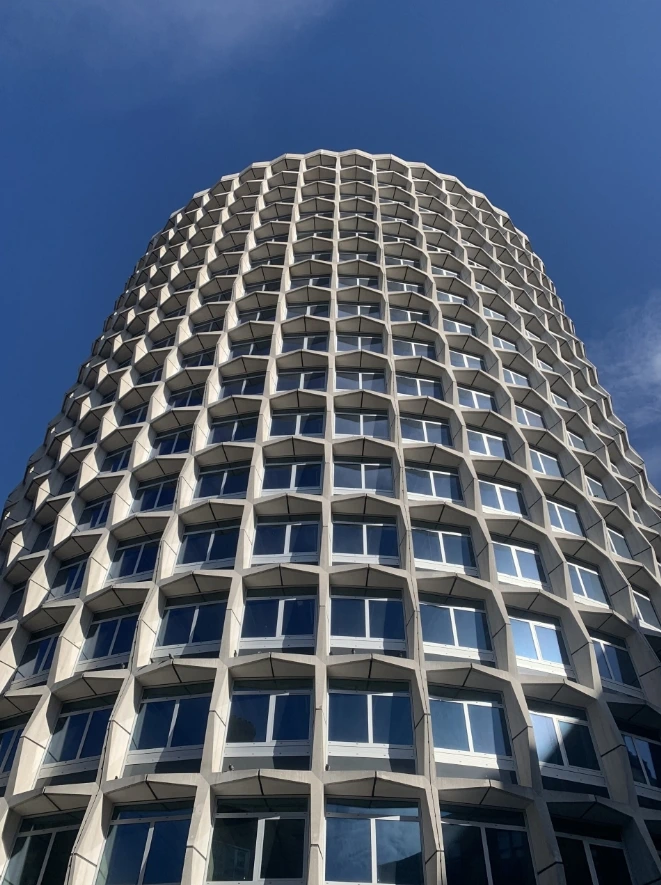
Infrastructure
Passive design: the way forward for future-resilient infrastructure
BRE Group
Patent pending: unlocking retrofit innovation
Construction