
Cart (0)
Decarbonising heat in Britain’s buildings
This report reviews evidence on the need for decarbonisation of heating in Britain’s buildings and the technologies required to reach net zero. It provides recommendations for the UK government to speed up heat decarbonisation.
Heating our buildings makes up nearly a quarter (23%) of the UK’s total greenhouse gas emissions. To achieve net zero, we need to decarbonise our homes and businesses by improving their energy efficiency, installing low carbon heating systems and introducing smart, flexible heating technologies.
Heat pumps are likely to be the dominant low carbon heating technology in the future, although hydrogen and biofuels may also play a role in decarbonisation. The number of properties connected to heat networks will increase.
Key recommendations to government
The report, produced in December 2022, identifies eight recommendations to government to accelerate the decarbonisation of Britain’s buildings:
- Accelerate the roll-out of insulation across the UK’s housing stock, as an immediate and cost-effective solution to help reduce the energy demand in our homes and buildings.
- Address the large gaps in energy efficiency support for mainstream home owner-occupiers and small businesses.
- Confirm the strengthened regulatory plan for energy efficiency in both domestic and non-domestic rented buildings, to give landlords certainty about the steps they will need to take to upgrade the property in their portfolios.
- Use policy levers to drive the uptake of heat pumps to achieve the government’s target of 600,000 heat pump installations per year by 2028.
- Increase consumer awareness of heat pumps; train and retrain heating installers.
- Consider a wider range of heat pump technologies in government policy, including strengthening advice, information and standards for hybrid heat pumps.
- Take into account energy demand from the cooling feature of those heat pumps which can switch between heating and cooling. Prioritise passive design measures to combat overheating and reduce the need for ‘active’ mechanical cooling. For flats, innovation support for communal heat pump technology is needed.
- Clearly define the role of local authorities and city regions in the low carbon transition and provide the support they need to delivery this.
Read more about our report on decarbonising heat in Britain’s buildings.
Read the full report
For all the findings and recommendations to government, read the full report.
Related Articles


Report
Building Transition: financing market transformation

Reports
Multi-sensor fire alarm tests to avoid false alarms

Report
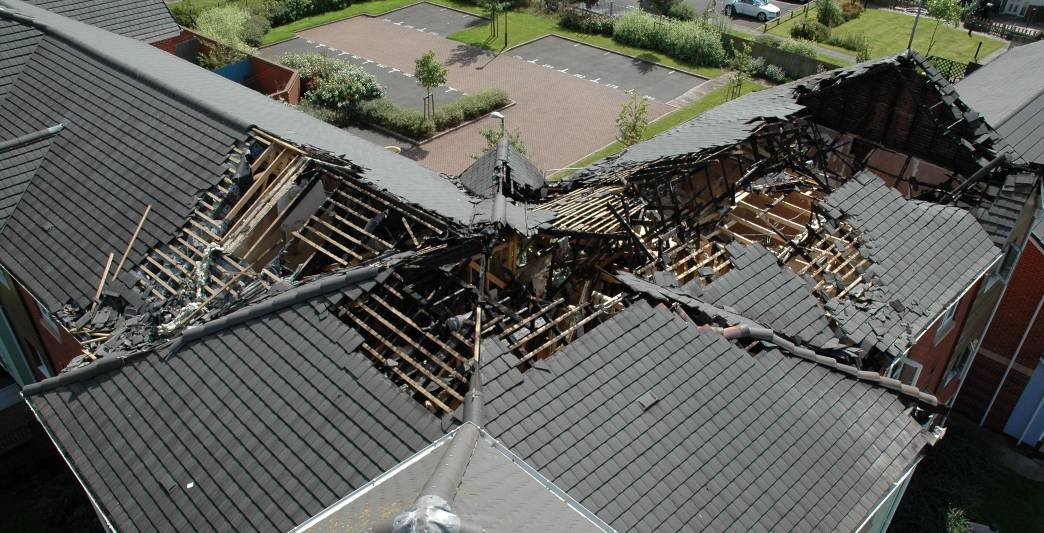
BRE Global investigates fire compartmentation in roof voids


Report
