
Cart (0)
Nova, Oxford - Wrenbridge: Achieving 100% BREEAM Outstanding
Wrenbridge and Buccleuch Property achieves a 100% BREEAM Outstanding score, setting a UK record for the highest-rated New Construction scheme for mid-tech, R&D, and labs.
Overview
Nova, Oxford – The development revitalised a degraded brownfield site, creating a dynamic space for mid-tech, R&D, and labs while improving biodiversity and offering flexible-use options. Achieving a 100% BREEAM Outstanding rating, the building earned the highest score under the 2018 New Construction standard, significantly boosting asset value and rental potential.
About

Client: Wrenbridge (Developer), Buccleuch Property (Funder), IM Properties (Asset owner)
Assessor Organisation: Eight Versa
Wrenbridge have been successfully developing and investing in properties across the UK for over 30 years. Geographically, the company's emphasis is on London, East Anglia and the Southeast. Their collaboration on this project alongside the BREEAM certification, highlights their shared commitment to environmental responsibility.
Background
Wrenbridge identified a key redevelopment prospect: a former gasworks site near Oxford. Responding to the growing demand for lab space close to the city’s science and innovation hubs, they partnered with Buccleuch Property in 2022 to deliver a 45,000 sq ft mid-tech facility. Completed in early 2024 and now known as Nova, Oxford, the project set a new UK benchmark by achieving a 100% BREEAM Outstanding rating. IM Properties later acquired the development.
Challenges
The project faced key challenges balancing functionality with exceptional sustainability, from site constraints to achieving and maintaining a 100% BREEAM rating.
- Maximising Opportunities Within Site Constraints: This encompassed issues like access limitations and underground utilities easements, requiring innovative design solutions for office orientation and amenity space.
- Designing for Resilience and Adaptability: As a speculative development, creating a building that could appeal to various future uses while meeting stringent sustainability targets demanded flexible and durable design solutions.
- Prioritising Passive Design and High-Efficiency Systems: Achieving ambitious energy performance and carbon reduction goals required a focus on passive design principles and the integration of advanced, high-efficiency mechanical and electrical systems.
- Maintaining the 100% BREEAM Rating: This was identified as the most significant challenge, involving the ongoing management of various factors and ensuring that the design intent translated successfully through the construction phase.
- Ensuring Responsible Sourcing of Materials: Maintaining the specified high levels of material certification throughout the design and construction process required close collaboration with the contractor and supply chain.
- Meeting Stringent Waste Management Targets: Achieving the project's waste reduction goals demanded a proactive materials efficiency strategy in the design phase and careful monitoring and management of waste throughout construction.


Solutions
The project team faced several significant challenges during development. Maximising opportunities within site constraints was particularly demanding, requiring solutions for access limitations and underground utilities easements. These constraints necessitated innovative design approaches for office orientation and amenity space planning. Furthermore, as a speculative development, the team needed to design for resilience and adaptability. This meant creating a building that could appeal to various future tenants while still meeting stringent sustainability targets, demanding both flexible and durable design solutions.
- Regeneration opportunity: The development transformed a poorly performing brownfield site—formerly a quarry infilled with waste and later part of a gasworks dominated by a large gas holder—into a thriving mid-tech, R&D, and laboratory hub. Extensive site investigations, carried out in consultation with the Land Quality Officer and the Environment Agency, confirmed that contamination posed a low risk for the proposed use. As an industrial development, the design incorporated in-situ risk mitigation measures, avoiding the need for costly remediation or soil removal and enabling a sustainable, efficient regeneration opportunity.
- Ecological enhancement: In turn, developing the brownfield site not only enabled the developer to create a new useable building for future users, but also significantly improve the biodiversity value of the site - optimising opportunities for enhancing ecological value whilst enriching local wildlife through establishing a wildlife garden, pond, bird boxes and native planting. These ecological enhancements provided the opportunity to support the sustainable drainage strategy on site, whilst the additional provision of seating created a pleasant outside amenity space to support occupiers’ wellbeing, enabling building users to take time out and reconnect with nature during their breaks.
- Prioritising passive design and high-efficiency systems: Achieving exceptional energy performance involved a focus on exceeding standard air permeability requirements (how airtight a building is) and optimising solar heat gain coefficients (g-values) through careful passive design that works with natural processes rather than against them. Natural light was maximised with rooflights, and energy consumption was minimised through several technologies. These included mechanical ventilation with heat recovery (MVHR) systems that recycle heat from extracted air, high-efficiency LED lighting that uses significantly less energy than traditional lighting, and intelligent control systems that automatically adjust building services based on occupancy and conditions.
- Maintaining 100% BREEAM rating: This critical objective was addressed through continuous monitoring of all relevant variables and close collaboration with the contractor and supply chain. Ensuring the correct certification for all specified materials, or sourcing suitable alternatives, was paramount. Frequent communication and detailed evidence gathering were integral to guaranteeing the design intent was realised during construction.
- Ensuring responsible sourcing of materials: The team worked diligently with the contractor and supply chain to verify the certifications of specified materials. Where necessary, equivalent products with the required high levels of certification were procured. Regular discussions with the BREEAM professional and subcontractors were held to ensure compliance and prevent any oversight.
- Meeting stringent waste management targets: A proactive materials efficiency strategy was implemented during the design phase to maximise the use of repetitive design elements and reduce construction waste. Waste management targets were closely monitored throughout the construction process, and careful programming of works minimised material damage and unnecessary movement on site.
Benefits
The Nova development has delivered clear commercial and operational benefits by prioritising sustainability through the BREEAM framework. Achieving a 100% BREEAM Outstanding rating has increased the asset’s value, attracted sustainability-focused investors, and enhanced cost savings and efficiency for occupiers and property managers.
This commitment to sustainability has set a new benchmark in the industry, providing valuable insights and driving a forward-thinking approach to future developments.
Summary
Nova, Oxford, a 45,000 sq ft mid-tech, R&D, and lab facility on a former brownfield gasholder site in Cowley, achieved a groundbreaking 100% BREEAM UK New Construction 2018 rating – the highest ever recorded. Developed by Wrenbridge and Buccleuch Property, and now owned by IM Properties, the project prioritised sustainability from the outset.
Overcoming site constraints and aiming for maximum flexibility, the development incorporated numerous green features, including optimised building orientation, solar control, enhanced biodiversity with a wildlife garden and pond, water-efficient fittings, responsibly sourced materials, and a focus on reducing embodied carbon. The building also boasts excellent energy performance (EPC A+), on-site renewables, and infrastructure for low-carbon transport. BREEAM served as a crucial framework, driving design decisions and providing measurable ESG metrics, ultimately transforming a derelict site into a high-value, sustainable asset with significant benefits for investors, occupiers, and the environment.
Developer: Wrenbridge
Funder: Buccleuch Property
Asset owner: IM Properties
Assessor: Eight Versa
Version: BREEAM UK New Construction 2018
BREEAM rating: Outstanding (100%)
Browse more from our latest case studies:
Case Study
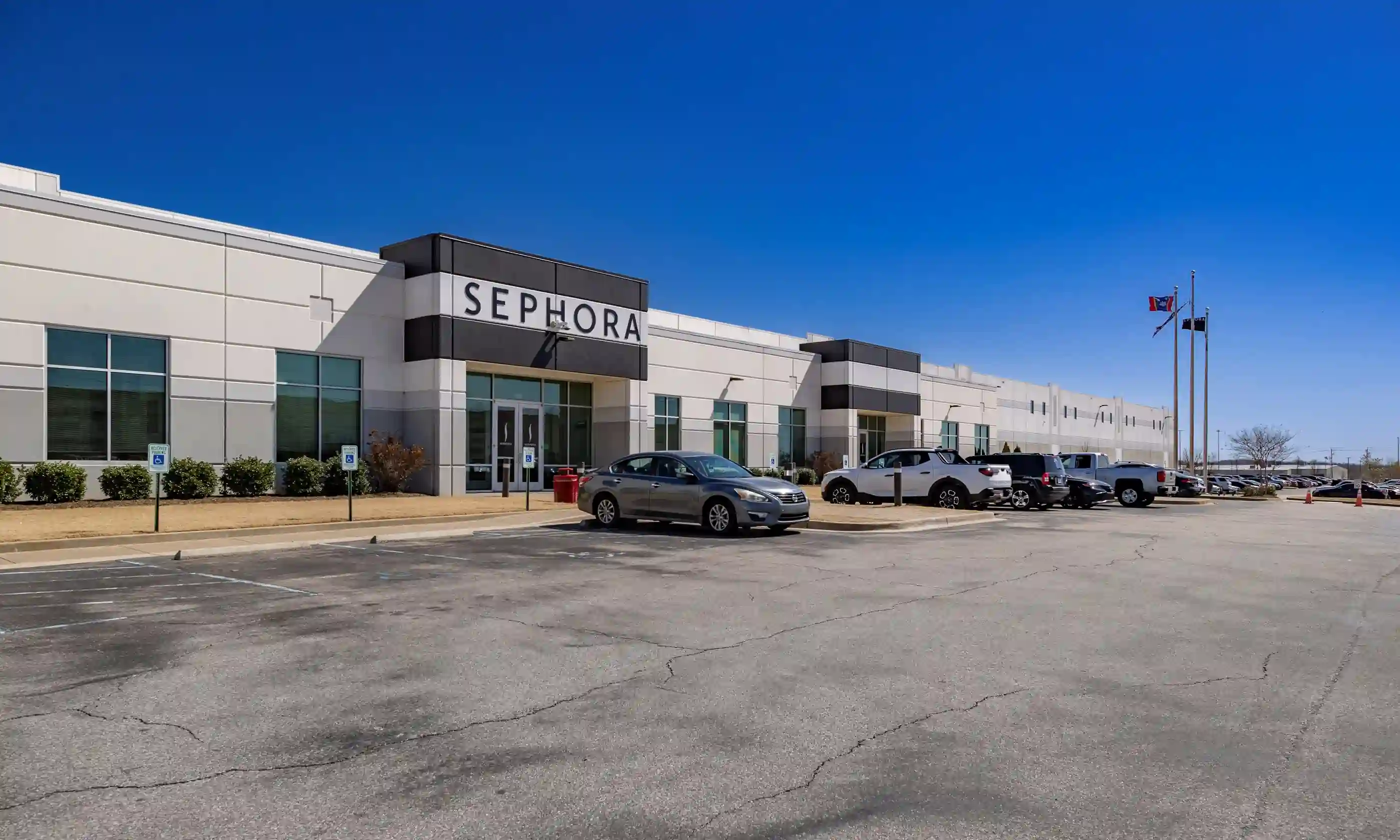
LXP Industrial Trust Uses BREEAM as a Framework for Portfolio Progress
Case Study
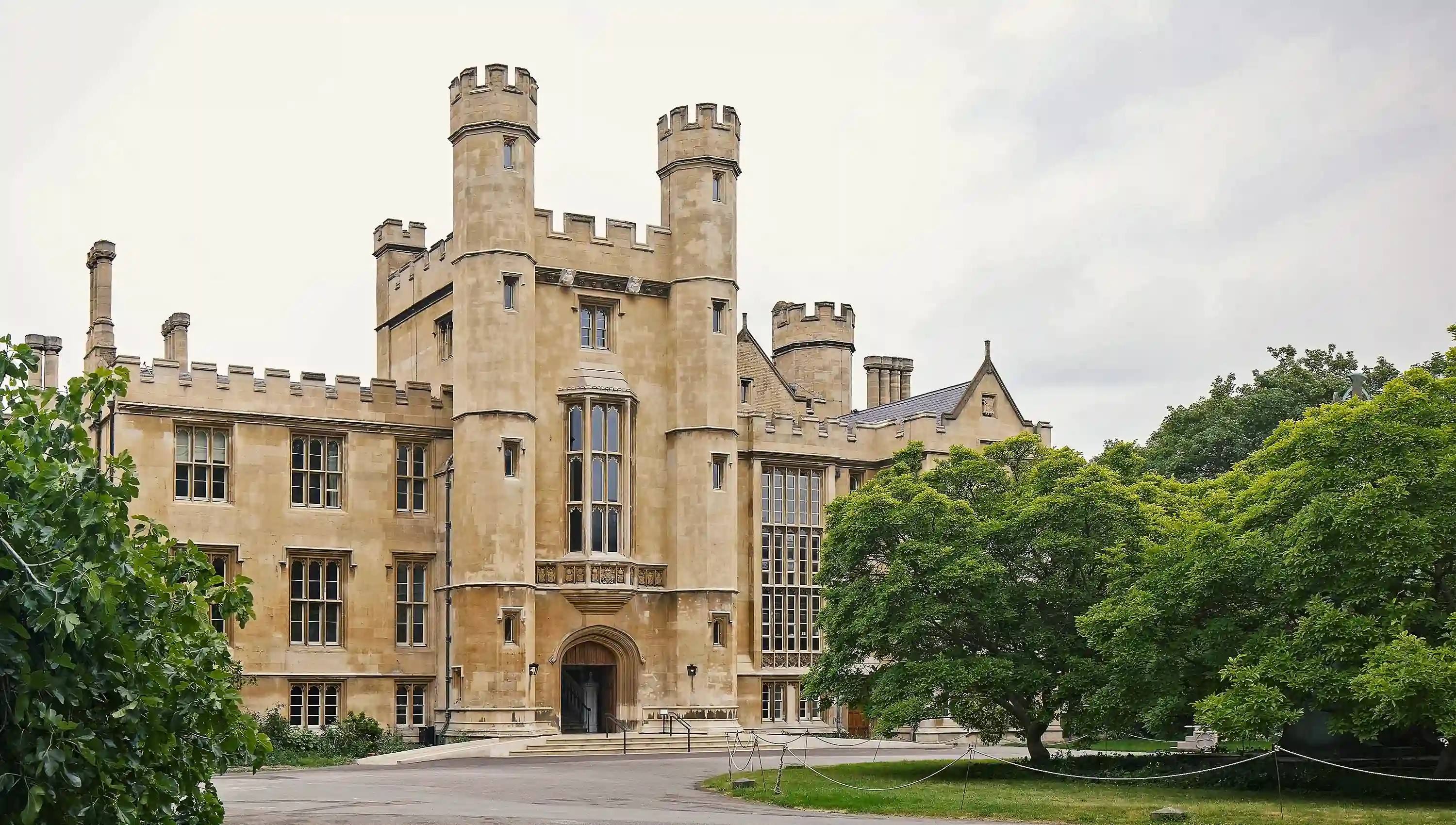
Lambeth Palace achieves BREEAM Excellent following major refurbishment
Case Study
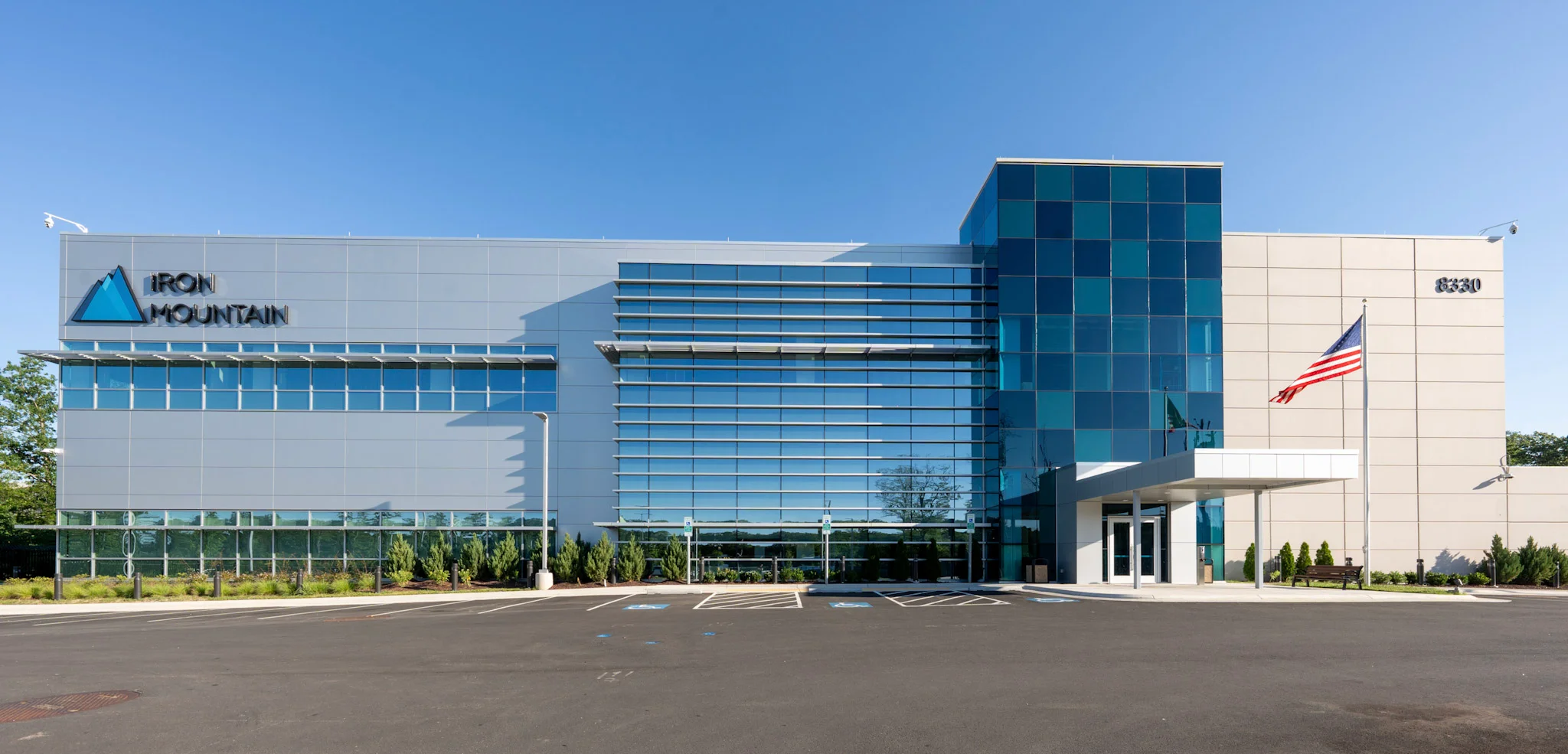
Iron Mountain Advances High-Performance Data Centers with BREEAM
Case Study
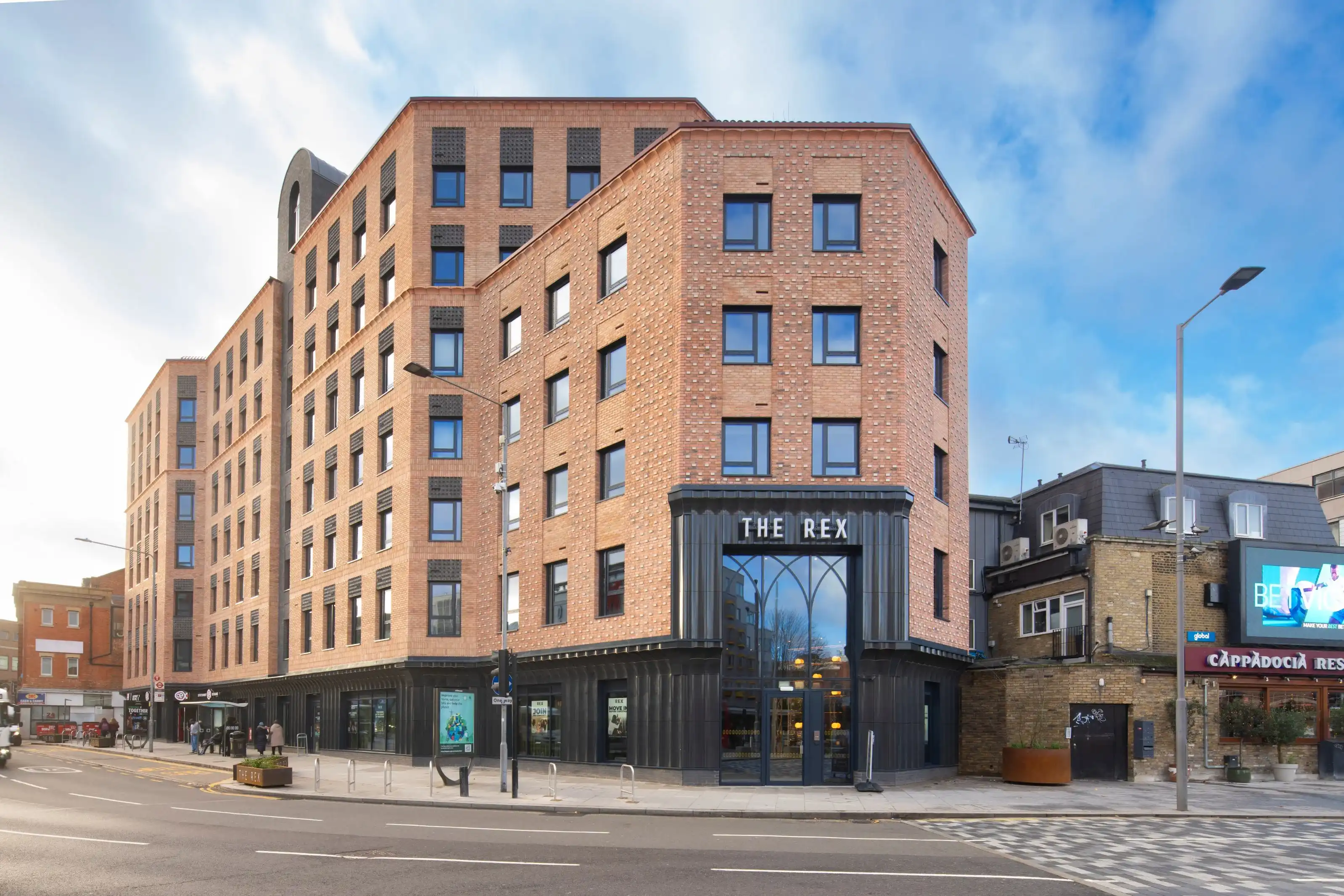
The Rex achieves BREEAM Outstanding, setting a benchmark for sustainable co-living
UK & Ireland
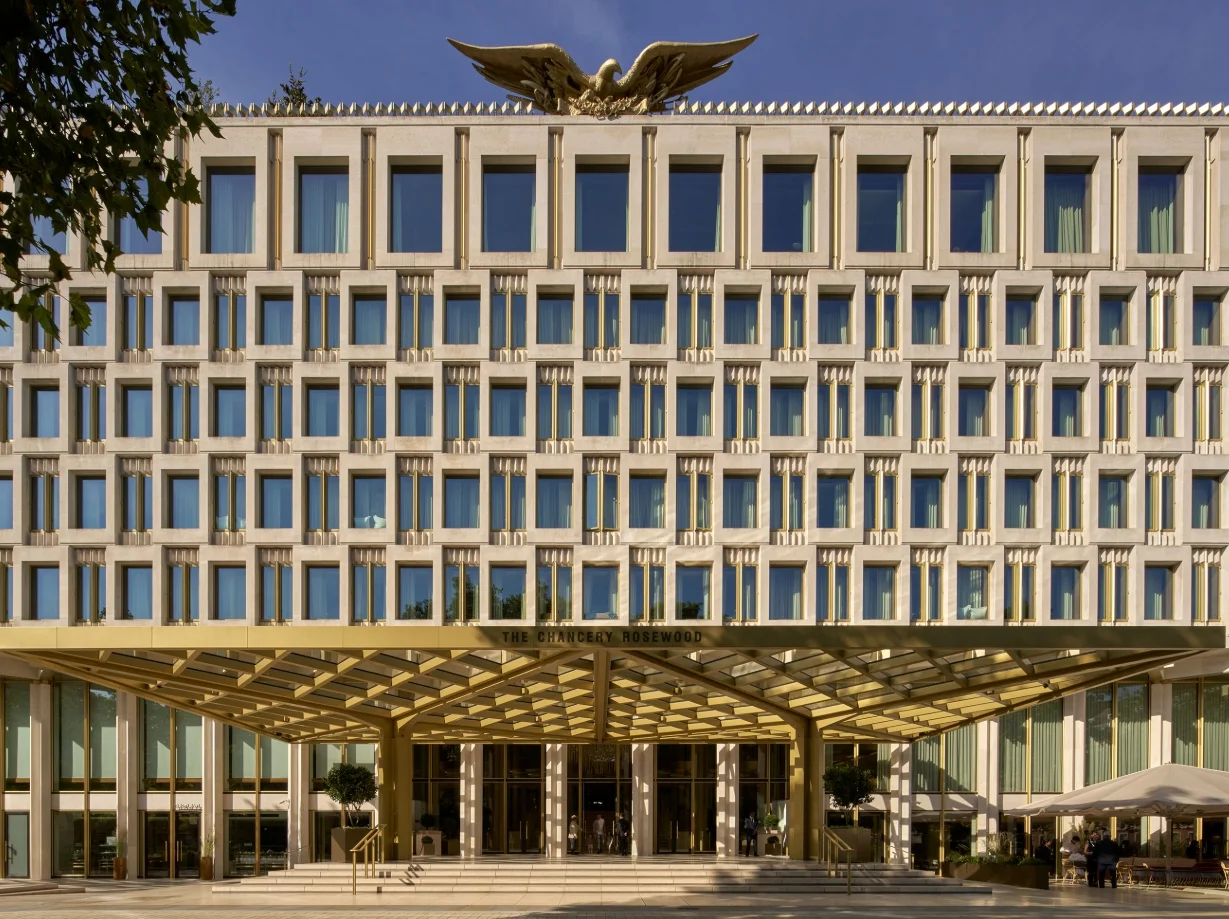
The Chancery Rosewood hotel achieves BREEAM Outstanding for former United States Embassy transformation
Case Study
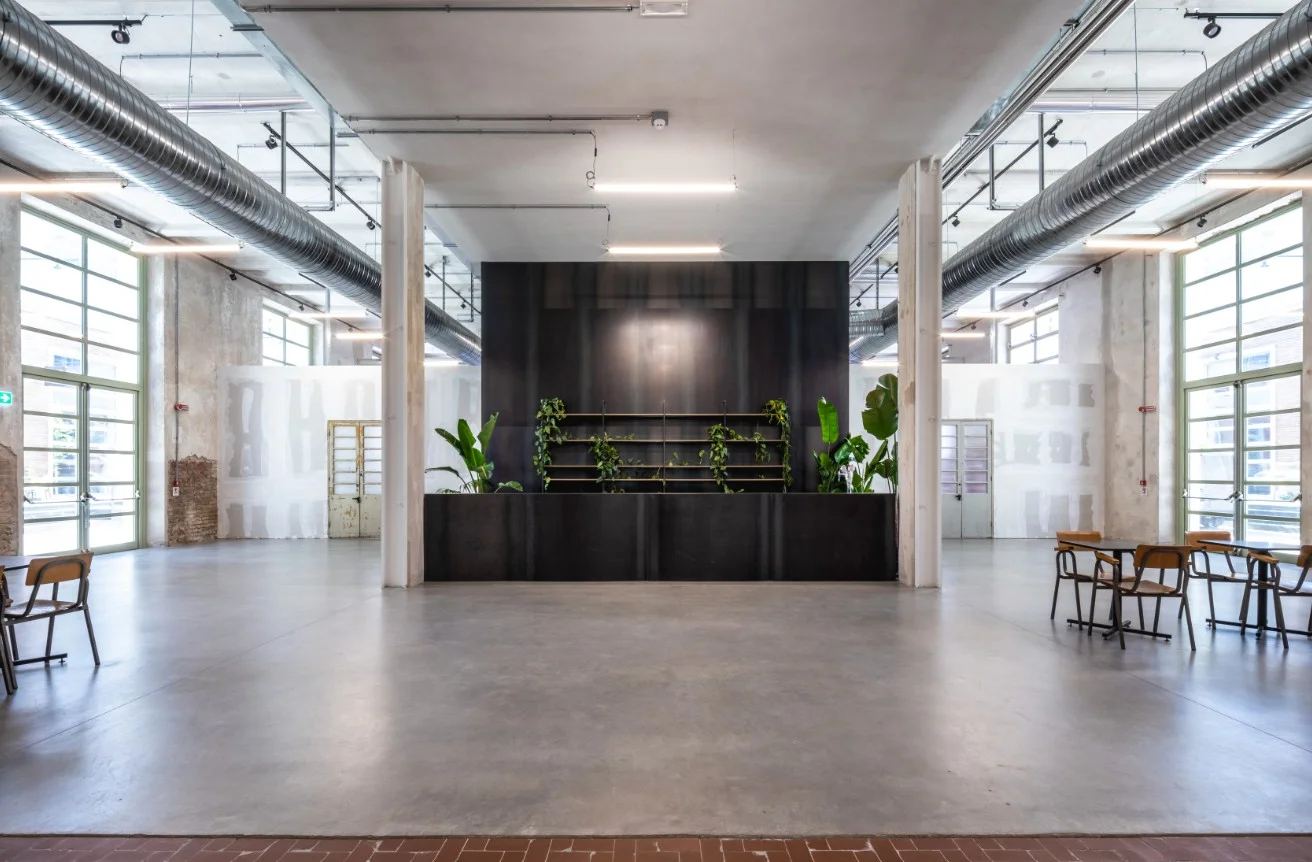
Aermont achieves BREEAM Excellent for Manifattura Tabacchi refurbishment
UK & Ireland
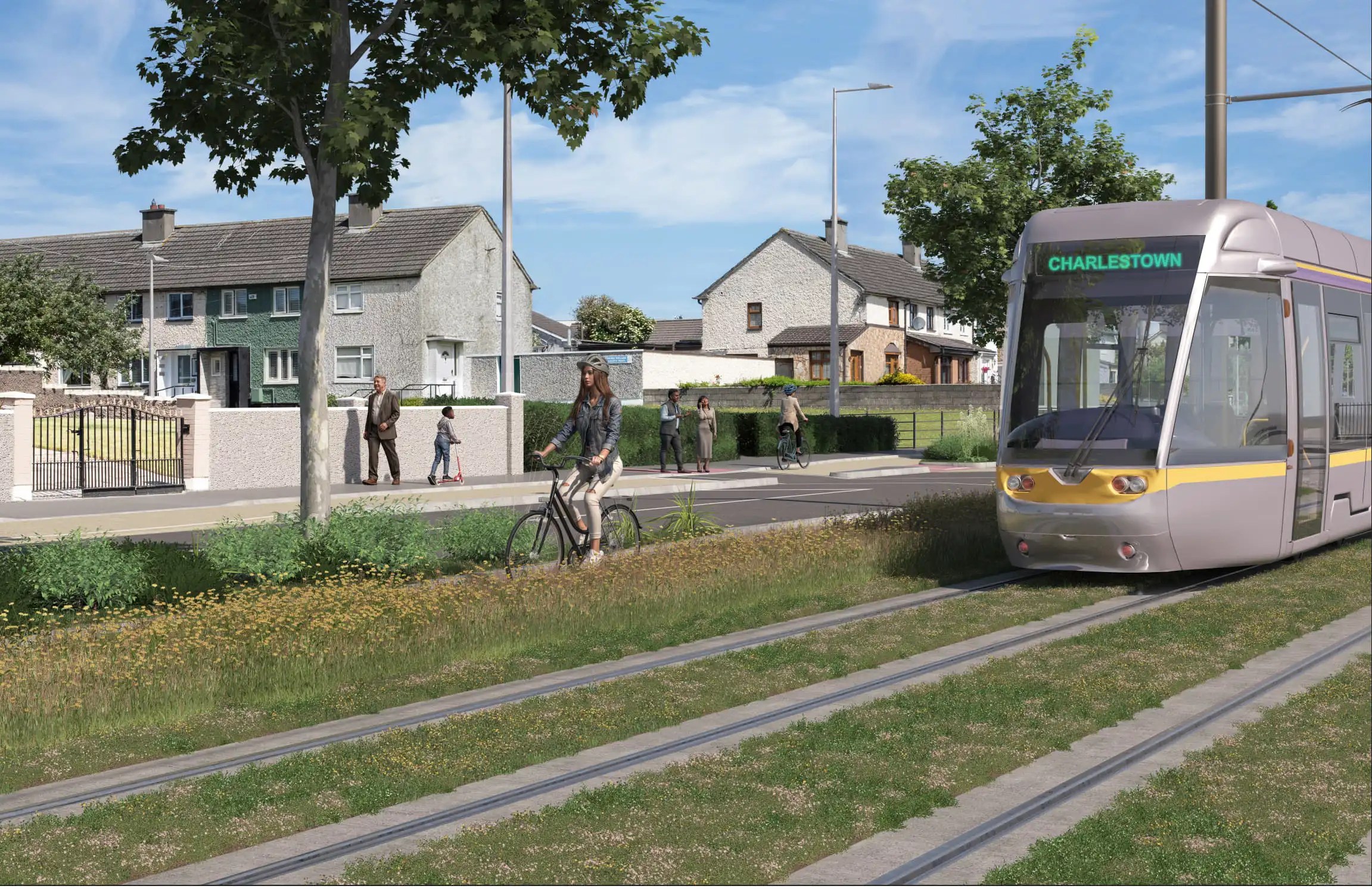
Luas Finglas: Ireland’s first BREEAM Infrastructure Excellent rating
Case Study