
Cart (0)
Jonas, Amsterdam IJburg, achieves BREEAM Outstanding for mixed-use development
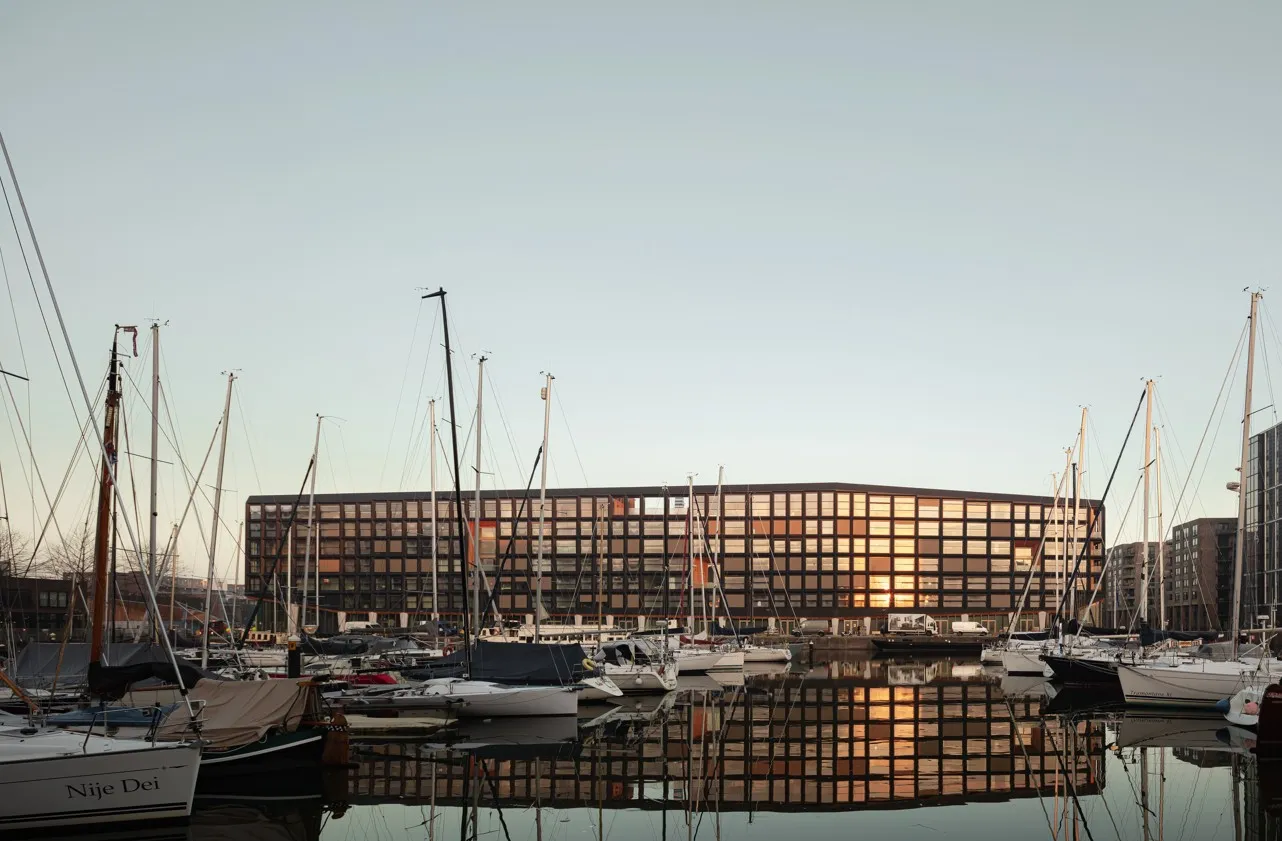
Jonas, Amvest’s landmark mixed-use /residential development in Amsterdam IJburg, achieves BREEAM Outstanding through an integrated approach to energy, materials, water, biodiversity, and community-focused design.
Overview
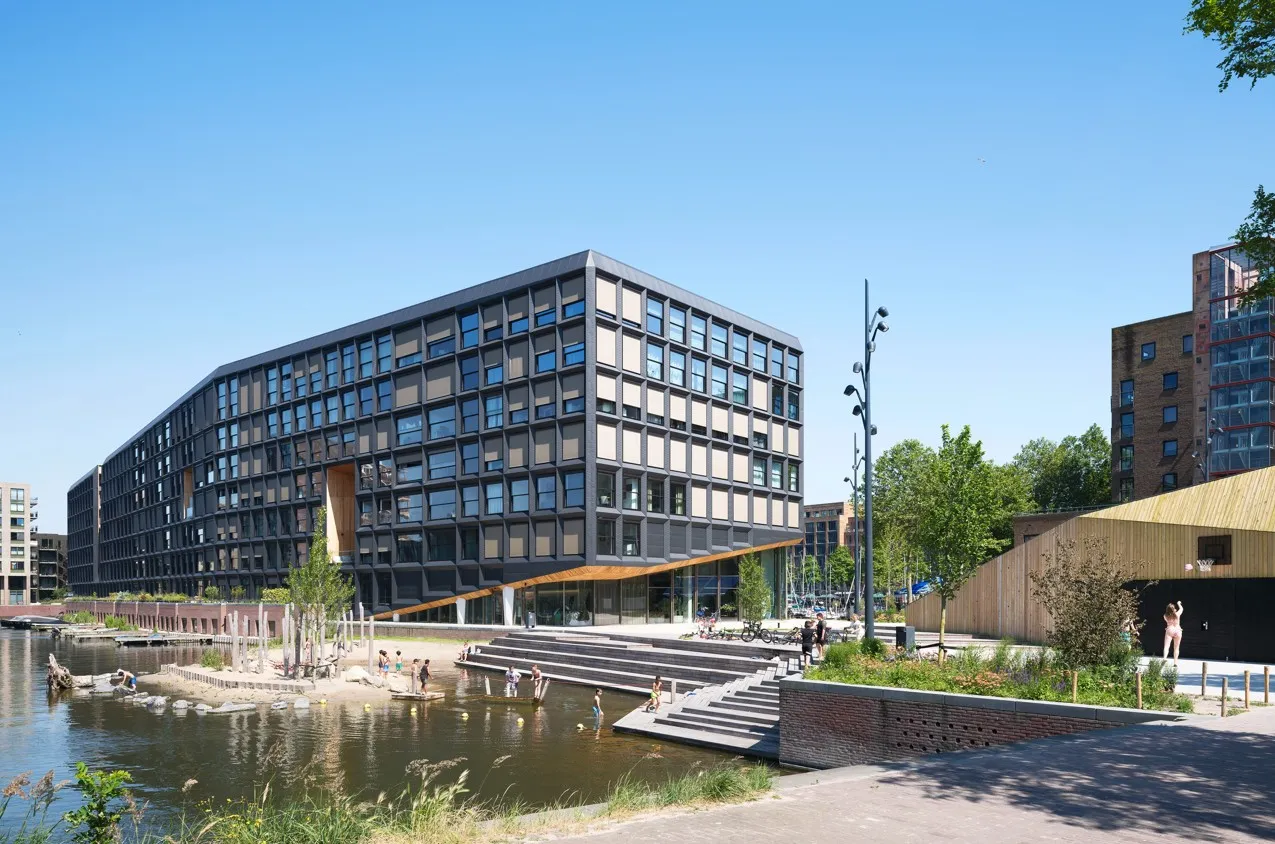
Jonas is a mixed-use residential development located on the harbour of Amsterdam IJburg, combining high-quality housing with generous collective amenities and strong ecological integration. Guided by the BREEAM framework (BREEAM-nl New Construction & Renovation 2014v2.0), the project delivers outstanding environmental performance while supporting social cohesion, long-term asset value, and climate resilience.
About
Orange Architects is an international design practice focused on creating buildings and urban environments that add long-term environmental, social, and cultural value.
Jonas was developed by Amvest and independently assessed under BREEAM by Build2Live, with sustainability embedded from early concept through to delivery.
Background
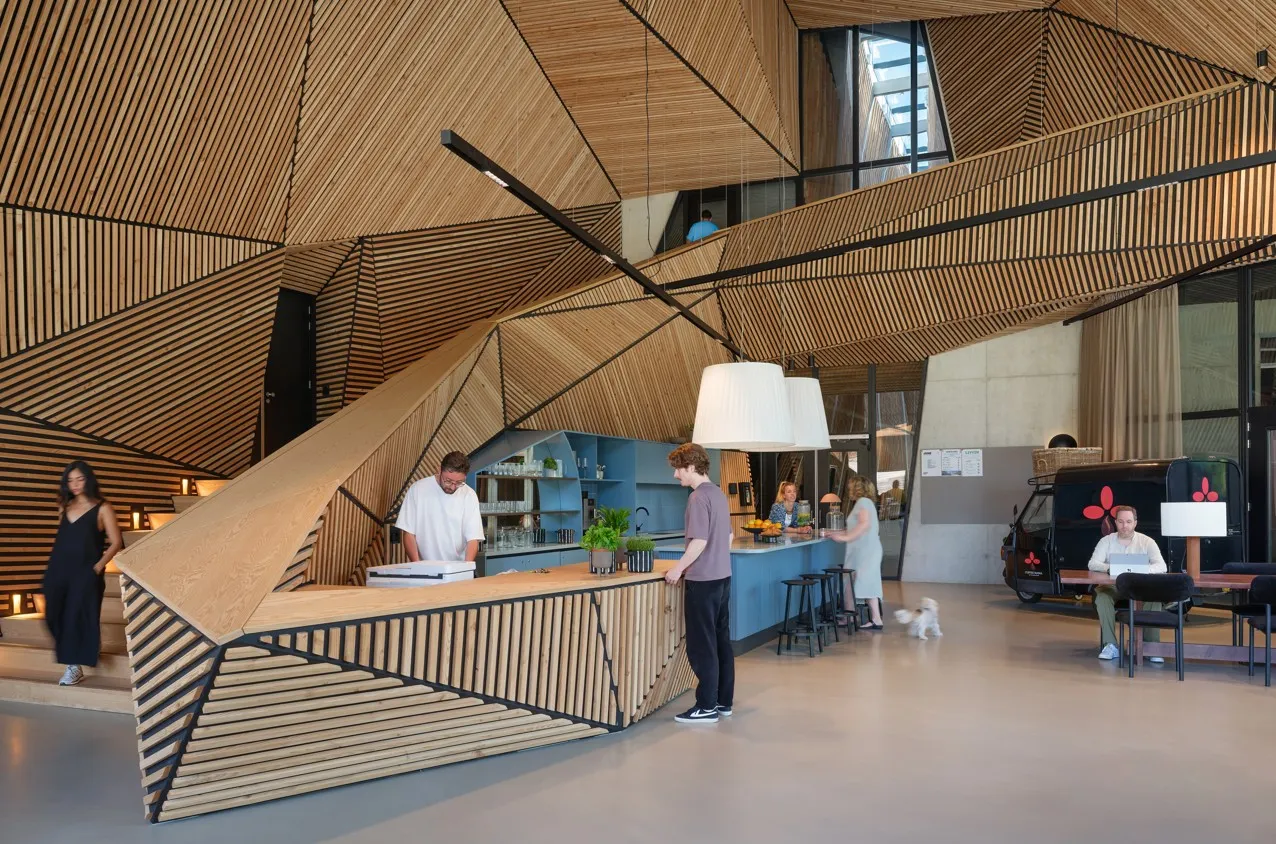
The development comprises 190 mid-market rental studios, 83 owner-occupied apartments, and a wide range of shared facilities including communal living rooms, cinema, guest rooms, yoga studio, rooftop beach and bar, and commercial spaces at ground level.
From the outset, Amvest set the ambition to create a building that would not only perform at the highest sustainability level, but also act as a catalyst for the evolving IJburg district. BREEAM was adopted as the primary sustainability framework to structure decision-making, quantify performance, and ensure that sustainability targets were embedded throughout design, construction, and operation.
Challenges
Delivering a high-density mixed-use development with exceptional environmental performance
Jonas combines 273 homes with extensive communal and commercial spaces within a compact waterfront site. Achieving very high environmental performance while accommodating a complex mixed-use programme and ambitious architectural concept required a carefully coordinated approach.
Managing overheating risk in a highly insulated building
The building’s high levels of insulation, airtightness, and large glazed openings created a potential risk of overheating, particularly during summer conditions.
Reducing embodied carbon while meeting technical requirements
The project team sought to minimise the environmental impact of materials while still meeting demanding structural, acoustic, fire, and durability requirements.
Integrating biodiversity and landscape into an urban waterfront setting
Strengthening ecological value on a constrained harbour-side site, while also creating attractive and usable outdoor spaces for residents and the wider community, presented a significant design challenge.
Embedding social sustainability alongside technical performance
In addition to environmental targets, Jonas aimed to foster social interaction, wellbeing, and long-term community resilience, requiring sustainability measures to be visible, accessible, and meaningful to users.
Solutions
BREEAM as a guiding framework from concept to completion
BREEAM was adopted at an early stage to structure decision-making, set measurable targets, and coordinate the multidisciplinary team. The framework ensured that sustainability was embedded across energy, water, materials, transport, waste, land use, health and wellbeing, and management.
Optimised energy strategy and low-carbon systems
Dynamic energy simulations were undertaken to model energy demand and optimise system selection. The final strategy combines roof-mounted photovoltaic panels, low-temperature heating connected to the public district heating network, and cooling via Thermal Energy from Surface Water (TEO), enabling efficient heating and cooling with reduced carbon emissions. Energy monitoring systems support ongoing performance management.
Designing for thermal comfort and indoor environmental quality
Thermal modelling validated comfort levels in all occupied spaces and informed the inclusion of cooling in all apartments. Enhanced ventilation rates exceeding regulatory minimums, high-grade acoustic vents integrated into the façade, and strict acoustic performance standards ensure healthy, comfortable internal environments.
Responsible material selection and circularity
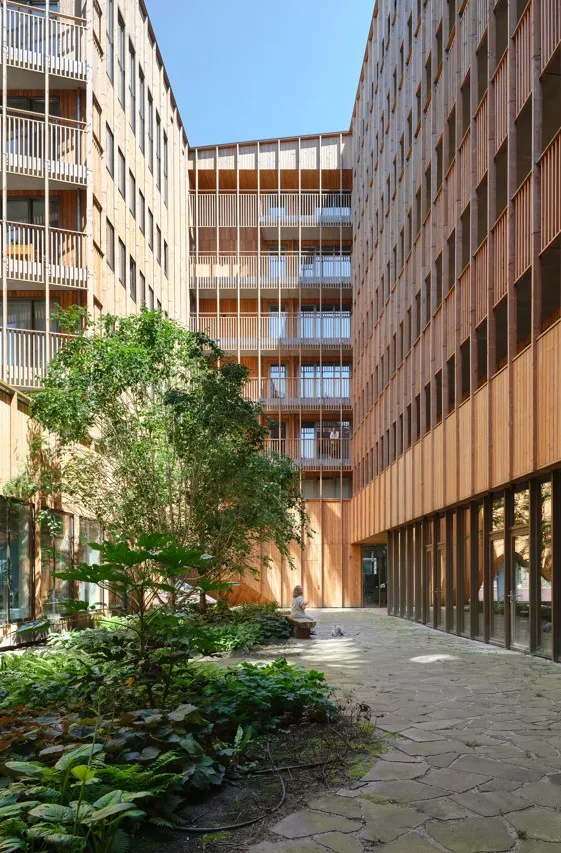
Life cycle impacts of materials were monitored throughout the design process. CSC-certified concrete with high recycled content and blast furnace slag cement was selected to reduce embodied carbon, while renewable and recyclable materials such as European Douglas fir timber are used extensively for interior finishes and façades.
Integrated water efficiency and climate resilience
Water-saving sanitary fittings, function-level water metering, rainwater harvesting, and reuse for toilet flushing and irrigation reduce potable water demand. Green roofs, shaded external spaces, and vegetation slow rainwater runoff and help mitigate urban heat.
Nature-inclusive landscape and ecological enhancement
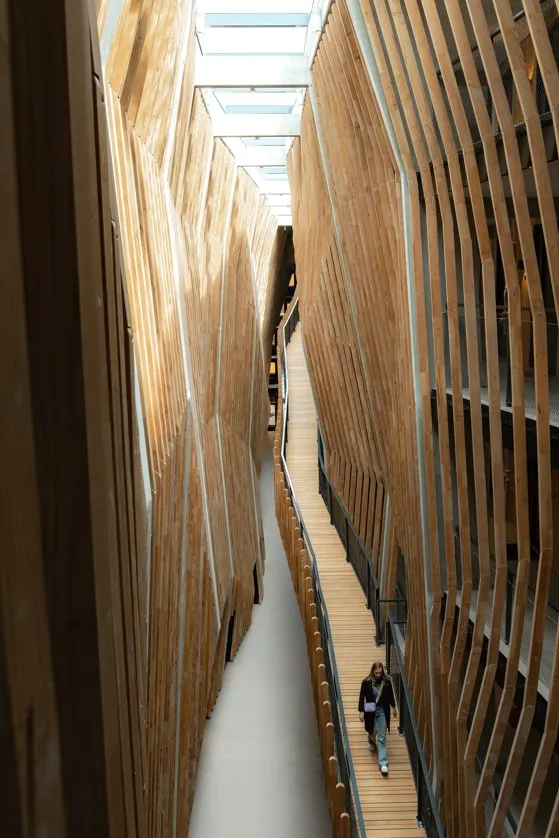
Native riverside planting, green roofs, mussel reefs to improve water quality, and a dedicated sand martin wall strengthen biodiversity and ecological value. Landscape extends into the building through a canyon-like communal route that links indoor and outdoor spaces.
Waste minimisation and resource efficiency
A strong focus on construction waste management resulted in a 97% waste separation rate. In operation, each apartment includes dedicated facilities for waste sorting, supporting high recycling performance.
Supporting sustainable mobility
Exemplary provision of bicycle storage and cyclist facilities, car-sharing options, and good access to public transport encourage low-carbon travel.
Enabling collective living and long-term social value
Slightly reduced private apartment sizes created space for generous shared facilities, including living rooms, cinema, guest rooms, and rooftop amenities. A community manager supports day-to-day operation and resident engagement, reinforcing social sustainability.
Benefits
Benefits BREEAM has been integral to Jonas from the very first sketches, providing a clear and robust framework to translate the project team’s ambition to create one of the most sustainable residential developments in the Netherlands into measurable performance. As a result, Jonas achieved the highest possible certification – BREEAM Outstanding – becoming only the second residential building in the Netherlands to reach this level.
For Amvest as developer and long-term asset owner, the certification represents a significant commercial and strategic asset. BREEAM Outstanding strengthens the building’s market position, supports alignment with evolving investor expectations, and contributes to increased asset value, reduced risk, and long-term portfolio resilience.
For residents and homeowners, BREEAM delivers both immediate and long-term benefits. Lower energy consumption results in reduced energy bills, while high indoor environmental quality, excellent thermal and acoustic comfort, and access to carefully designed outdoor and collective spaces support health, wellbeing, and everyday comfort. The building’s strong sustainability credentials also contribute to more favourable mortgage conditions and enhanced property value.
The project has achieved both Post New Construction certification and an In-Use Outstanding rating for the sections owned by Amvest Residential Core Fund (ARCF), demonstrating that strong sustainability performance is maintained beyond completion.
In addition, although the EU Taxonomy was not in force at the time of design and construction, sustainability experts have confirmed that Jonas is Article 9-ready. This positions the asset favourably within an increasingly regulated investment landscape and further enhances its long-term investment value.
Beyond the building itself, Jonas acts as a catalyst for the evolving IJburg district. By providing high-quality public spaces, collective facilities, and a vibrant mix of uses, the development adds lasting social, environmental, and economic value for residents and the wider community.
Summary
Project title:
Jonas, Amsterdam IJburg
Location:
Amsterdam IJburg
Building type:
Mixed-use / Residential
Developer/Client/Asset owner:
Amvest
Architect:
Orange Architects
Assessor organisation:
Build2Live
BREEAM standard & version:
BREEAM-NL New Construction & Renovation 2014 v2.0
BREEAM rating:
Outstanding (86.52%)
Photographer
Sebastian van Damme
Videographer
Stijn Poelstra
Browse more from our latest case studies:

Rail
Acre Works Sdn Bhd gets European Technical Assessment certification

Rail
Railway track improvement in Bristol achieves CEEQUAL rating of Good
Rail
CEEQUAL rating Excellent for Thameslink work on London Bridge station
Water & Wastewater
Work to improve Welsh coastline gets a CEEQUAL rating of Excellent

BREEAM Infrastructure
Earthworks at Shetland Gas Plant gains CEEQUAL Excellent

Roads & Car Parks
Construction of Queensferry Crossing gets CEEQUAL rating of Excellent

Rail
Work on Ordsall Chord railway earns a CEEQUAL rating of Excellent

Water & Wastewater