
Cart (0)
The Rex becomes the UK's first co-living development to achieve BREEAM Outstanding
How BREEAM supported the delivery of a high-performance residential community, combining exceptional environmental outcomes, resident wellbeing and long-term resilience.
Overview
The Rex is a pioneering co-living development in the UK to achieve a BREEAM Outstanding rating, scoring 90.3% under BREEAM UK New Construction 2018. The project demonstrates how ambitious sustainability goals can be successfully integrated into a residential development, delivering exceptional environmental performance, resident wellbeing and long-term resilience.
About
Developed by Amro Partners and NTT UDE, The Rex was designed to provide high-quality, flexible accommodation that responds to changing residential needs. Throughout the project, BREEAM provided a robust framework for setting, measuring and independently verifying sustainability performance, supporting the achievement of an Outstanding certification.
Background
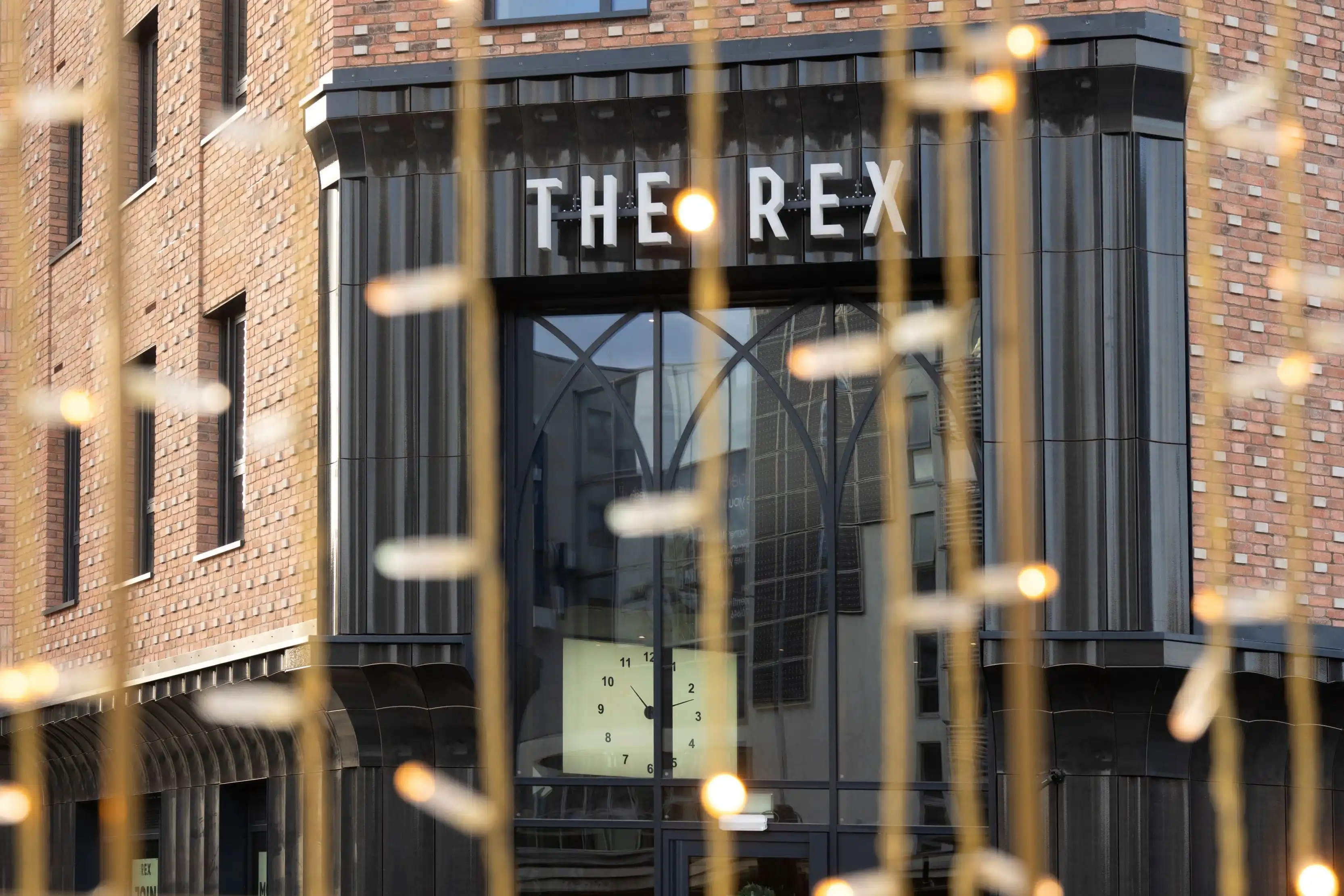
Located in Kingston upon Thames, The Rex was created to meet growing demand for high-quality, flexible accommodation. The development was designed to deliver a sustainable and future-focused residential community, combining strong environmental performance with a high-quality resident experience. The project also achieved Fitwel 3 Star and WiredScore Platinum certification, recognising its focus on health, wellbeing and digital connectivity.
Challenges
The project set ambitious targets that went beyond planning and regulatory requirements. Key challenges included integrating Passive House principles within a constrained urban site, reducing embodied carbon, increasing the use of responsibly sourced materials and maximising renewable energy generation despite limited roof space.
To address these challenges, the project team implemented advanced building monitoring systems, circular economy measures and robust approaches to energy optimisation, whole-life carbon monitoring, waste and water management throughout construction. Close collaboration between the client, design team, consultants and contractor enabled the project to achieve BREEAM Outstanding certification while meeting its environmental objectives.
Solutions
Management
BREEAM provided the framework for embedding sustainability throughout the development process. Early involvement of a BREEAM Advisory Professional helped establish a clear strategy with sustainability objectives continuously reviewed as the design evolved. Collaborative working between all project stakeholders ensured that environmental considerations remained integral to decision making from concept through to completion.
Health and wellbeing
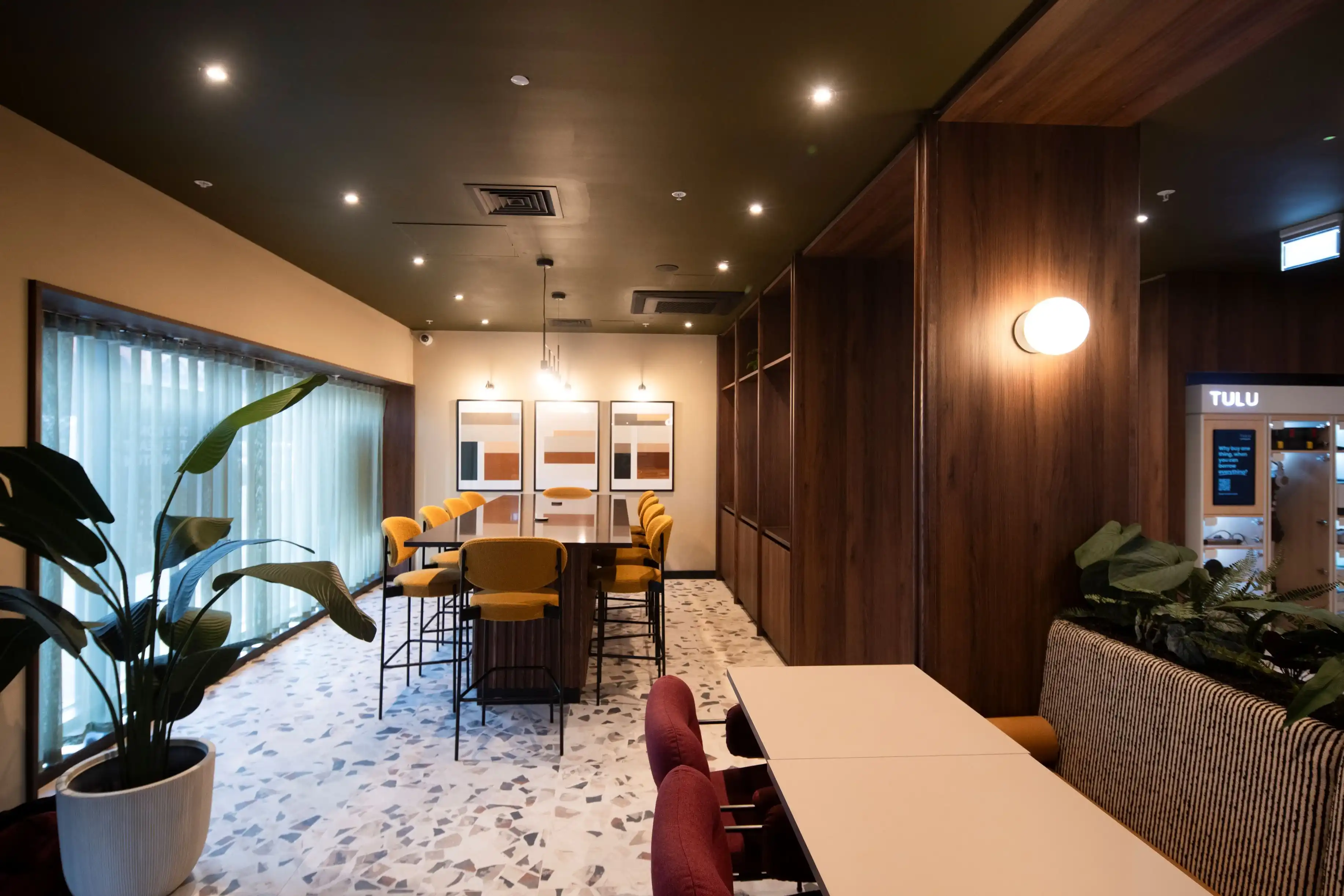
Resident wellbeing was a core project objective. The development incorporates indoor and outdoor fitness facilities, alongside design measures intended to encourage active lifestyles. Sensors installed throughout the building provide ongoing monitoring of environmental conditions affecting occupant wellbeing, including daylight, humidity, acoustics and indoor air quality indicators. Fitwel certification further reinforces the project's commitment to creating a healthy living environment.
Energy
A fabric-first approach was adopted to minimise operational energy demand. BREEAM energy targets were combined with full Passive House calculations to achieve exceptionally low heating demand and high levels of airtightness. On-site renewable energy generation was optimised through the installation of photovoltaic panels, while advanced metering and sub-metering systems integrated with the building management system enable detailed monitoring of energy consumption and building performance. The completed building aligns with CRREM 1.5°C pathways, with the residential spaces achieving an operational carbon intensity of 7.69 kgCO₂/m² and an energy use intensity of 66 kWh/m²/year.
Transport
The Rex benefits from a highly accessible location close to public transport connections. The development provides cycle storage facilities that exceed BREEAM requirements, encouraging sustainable travel choices for residents and supporting reduced transport-related emissions.
Water
Climate resilience and resource efficiency were considered throughout the design process. Climate change adaptation assessments informed water management strategies, helping to future-proof the building against changing environmental conditions while reducing long-term resource consumption.
Materials
Embodied carbon reduction was a key focus area. The project team used the BREEAM Mat 01 methodology to assess multiple design options during early project stages, enabling informed decisions that reduced whole-life carbon emissions. Detailed data collection and analysis continued throughout construction, resulting in substantial embodied carbon reductions compared with earlier design-stage assessments.
This approach delivered carbon reductions of 55% for upper floors, 40% for the substructure and 18% for the frame. The post-completion assessment identified an upfront embodied carbon footprint of 3,926 tCO₂e (475 kgCO₂e/m²) and a whole-life embodied carbon footprint of 6,789 tCO₂e (822 kgCO₂e/m²) over a 60-year study period. External walls and façade systems accounted for approximately 34% of whole-life embodied carbon, highlighting the importance of material selection and façade optimisation.
Waste
Circular economy principles were incorporated throughout design and construction. The project achieved 100% diversion of construction and demolition waste from landfill, with waste arisings limited to 11 tonnes per 100m² of floor area. Detailed waste monitoring and reporting supported performance throughout construction, while recycling facilities have also been provided for residents, complemented by ongoing operational support designed to encourage reuse and recycling.
Land use and ecology
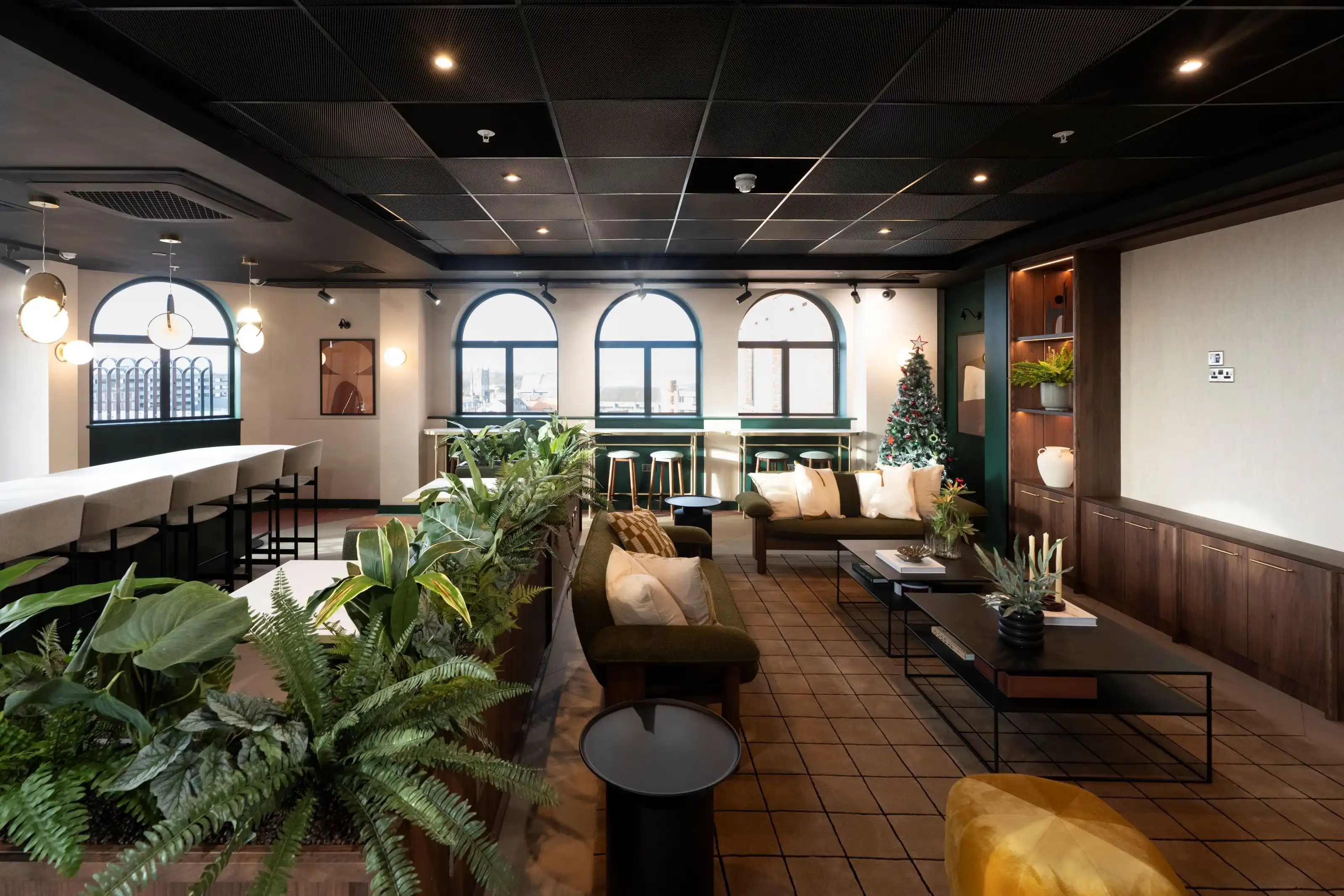
Despite the site's compact 0.19-hectare urban location, biodiversity enhancements were incorporated through landscaped roof terraces, , raised planters and bat boxes. Plant species were carefully selected to maximise ecological value while minimising maintenance and irrigation requirements, supporting long-term environmental performance.
Pollution
The development's low operational energy demand and reduced carbon emissions contribute to lower environmental impact over its lifecycle. Ongoing building performance monitoring enables operational performance to be tracked and optimised, supporting continuous improvement and helping to maintain planned sustainability outcomes.
Supporting The Rex has been an opportunity to be part of a project that demonstrates what can be achieved through a genuine commitment to sustainability. As the first co-living development in the UK to achieve BREEAM Outstanding, it sets a new benchmark for the sector. We hope it encourages others to embrace similarly ambitious standards and deliver buildings that will have a lasting positive impact.
Benefits
BREEAM provided a recognised framework that helped the project team measure, improve and verify sustainability performance throughout design, construction and post-completion. The assessment process supported informed decision-making across energy, carbon, wellbeing, resilience and resource efficiency.
For owners and investors, certification will demonstrate performance against a recognised sustainability standard and supports long-term asset resilience. For residents, the development will provide healthy, comfortable living spaces with low energy demand, strong acoustic performance and monitored environmental conditions.
The Rex shows how BREEAM can support residential developments that combine ambitious sustainability outcomes with long-term value for owners, residents and communities.
Summary
- Project title: The Rex
- Location: 175 Clarence St, Kingston upon Thames KT1 1ST
- Building type: Co-living
- Developer / client: Amro Partners, NTT UDE
- Assessor organisation: Aletho Consulting
- Assessor: Dr Jon Atkinson
- Architect: HTA Design
- Main contractor: CField Construction
- BREEAM standard and version: BREEAM UK New Construction 2018 Issue 3.0 (Multi-residential)
- BREEAM rating: Outstanding (90.3%)
- BREEAM certificate number: BREEAM-0131-9532
Browse more from our latest case studies:
Case Study
Lambeth Palace achieves BREEAM Excellent following major refurbishment
Case Study
Iron Mountain Advances High-Performance Data Centers with BREEAM
Case Study
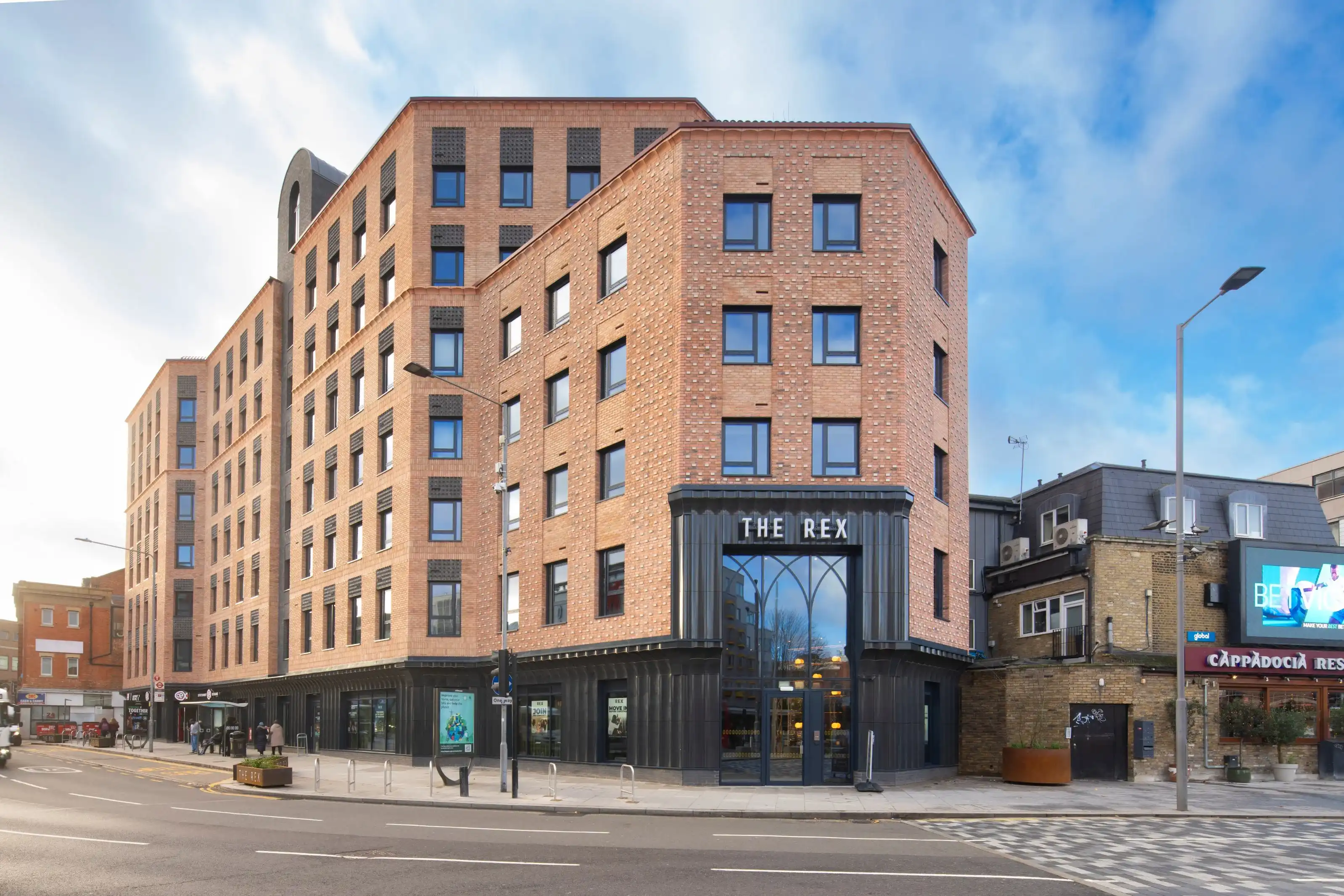
The Rex becomes the UK's first co-living development to achieve BREEAM Outstanding
UK & Ireland
The Chancery Rosewood hotel achieves BREEAM Outstanding for former United States Embassy transformation
Case Study