
Cart (0)
Space House Wins BREEAM for Historic London Renewal UK
Space House in Covent Garden secures BREEAM Outstanding, delivering an ambitious retrofit that preserves its Grade II* Brutalist heritage with high sustainability standards.
Overview
Space House is a mixed‑use redevelopment project located along Kingsway in the London Borough of Camden. Originally designed by Richard Seifert and Partners and completed in 1968, the project comprises a distinctive pair of Brutalist buildings – a cylindrical tower and a rectilinear block connected by a bridge, known for their striking concrete façade and sculptural architectural form.
For nearly four decades the complex was occupied by the Civil Aviation Authority, becoming an important landmark of London’s post‑war commercial architecture. Following its Grade II* listing in 2015, the building’s architectural significance was formally recognised, but evolving environmental standards and changing tenant expectations required an ambitious redevelopment strategy.
Commissioned by Seaforth Land Holdings Ltd and led by architecture practice Squire & Partners, the project transforms the historic structure into a contemporary workplace while preserving its architectural character. The redevelopment provides approximately 35,972 m² of high‑quality workspace, alongside flexible retail and event space and a revitalised public realm.
Guided by BREEAM Refurbishment and Fit‑Out 2014 (Bespoke), the project demonstrates how heritage buildings can be successfully retrofitted to achieve outstanding environmental performance while maintaining their historic value.
About
Seaforth Land Holdings Ltd is a London‑based real estate investment and development company focused on delivering high‑quality commercial property with long‑term value. The redevelopment of Space House reflects the organisation’s commitment to sustainability, heritage conservation and the creation of modern workplaces that meet evolving environmental standards.
The project team included architect Squire & Partners, sustainability and MEP consultant Atelier Ten, and principal contractor BAM.
Background
The complex is recognised as one of the most distinctive examples of Brutalist office architecture in the UK. Its cylindrical tower, dramatic concrete façade and elevated connecting bridge made it a defining feature of London’s 1960s office development boom.
Following its listing in 2015, the challenge for the development team was to modernise the building while respecting its historic significance. The aim was to deliver a high‑performance workplace that could meet modern occupier expectations while significantly improving environmental performance.
The redevelopment retains the vast majority of the original structure and introduces new workspace, retail and event facilities, alongside improvements to the surrounding public realm. The project is believed to be one of the UK’s very few – and the largest – listed commercial buildings to achieve a BREEAM Outstanding rating.
Challenges
Retrofitting a Grade II* listed building presented a number of complex technical and environmental challenges.
Preserving the building’s historic façade meant that adding external insulation was not possible without altering its architectural character. Instead, the project team focused on improving performance through upgraded glazing and enhancements to the building envelope.
Each window opening across the building varied slightly in size, requiring detailed 3D scanning to ensure that the new high‑performance glazing units could be manufactured and installed precisely within the existing structure.
Modernising the building also required innovative solutions within tight spatial constraints. The existing core, basement and roof areas limited the space available for mechanical, electrical and public health (MEP) systems. This resulted in necessary compromises in system efficiency, such as increased specific fan power to accommodate ductwork within existing risers.
Roof space limitations and overshadowing also restricted opportunities for large‑scale photovoltaic installations. In addition, the project team faced incomplete historical information about previous alterations to the building, meaning that design decisions often had to be made iteratively as new information emerged during construction.
Solutions
BREEAM provided a structured framework for addressing sustainability challenges throughout the redevelopment process.
A climate risk assessment was undertaken to evaluate the potential impacts of future climate change on the building. This assessment enabled the project team to proactively address risks such as overheating and flooding. Measures implemented included the selection of appropriate cooling systems and the installation of a rainwater attenuation tank to manage stormwater runoff.
Operable windows were incorporated throughout the building to support natural ventilation and help manage overheating risks. Together with high‑performance glazing and improved building services, these measures contributed to improved energy performance while maintaining the building’s historic character.
Water efficiency was another key priority. Low‑flow sanitary fixtures were specified throughout the building, enabling the project to achieve the maximum available BREEAM credits for water consumption. Waterless urinals were installed to eliminate the need for flushing water, further reducing potable water demand.
A drip irrigation system incorporating weather monitoring and soil moisture sensors was implemented to reduce irrigation demand. This system reduces irrigation‑related water use by at least 20% compared with conventional irrigation systems.
Material selection and retention strategies also played a major role in the project’s sustainability performance. More than 90% of the building’s existing structure was retained as part of the redevelopment, significantly reducing the embodied carbon associated with the project.
The project achieved an upfront embodied carbon level of approximately 348 kgCO₂ per square metre GIA, aligning with LETI Band B standards. Over the full lifecycle of the building, total embodied carbon is estimated at 714 kgCO₂ per square metre GIA.
Benefits
Space House achieved a BREEAM Outstanding rating with a final score of 88.6%, demonstrating that even highly protected historic buildings can be successfully retrofitted to meet ambitious sustainability standards.
By retaining more than 90% of the existing structure, the project saved approximately 10,700 tonnes of embodied carbon compared with a typical demolition and new‑build approach. This significantly reduces the overall environmental impact of the development.
The project also aligns with key industry benchmarks, including the RIBA 2030 targets for embodied carbon and the 2025 target for potable water consumption.
Beyond environmental performance, the redevelopment provides high‑quality contemporary workspace in a historically significant building, enhancing the long‑term value of the asset while supporting the continued regeneration of the Covent Garden area.
Importantly, the project demonstrates that ambitious sustainability goals such as BREEAM Outstanding can be achieved within the constraints of listed heritage buildings, setting an important precedent for future retrofit projects across the UK.
Summary
Project title:
Space House
Location:
1 Kemble Street, 43–59 Kingsway, London Borough of Camden, WC2B 4AN
Building type:
Offices
Developer/ Client / Asset owner:
Seaforth Land Holdings Ltd
Architect:
Squire & Partners
Principal contractor:
BAM MEP consultant and assessor organisation: Atelier Ten
Assessor:
Younha Rhee
BREEAM standard & version:
BREEAM Refurbishment and Fit‑Out 2014 – Bespoke
Browse more from our latest case studies:
Case Study
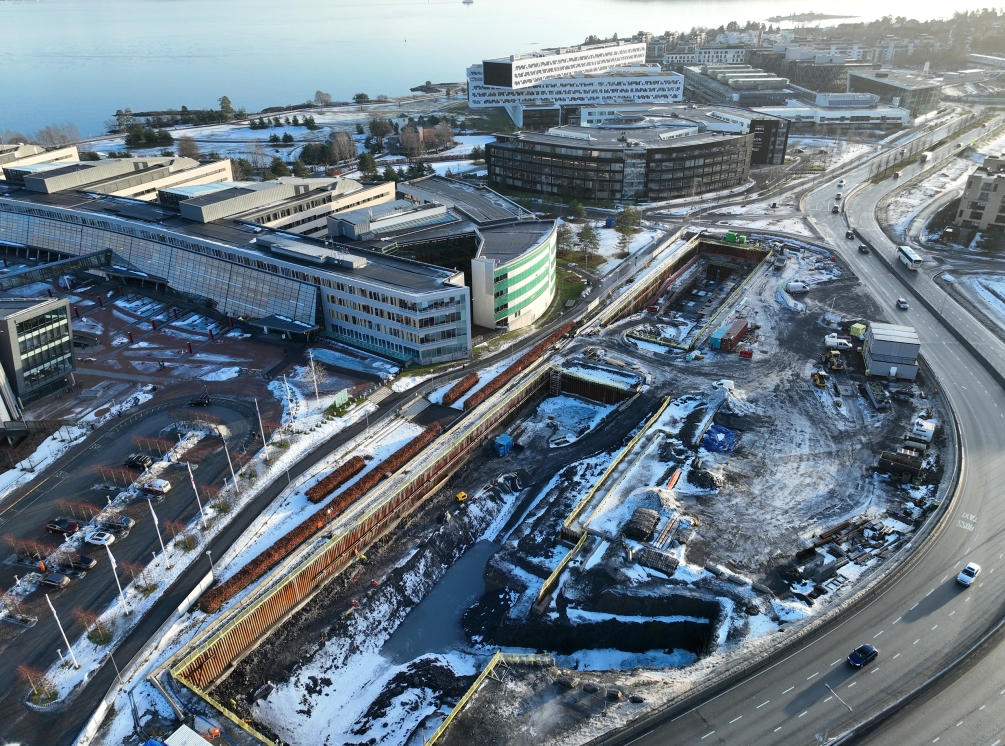
BREEAM Infrastructure: Oslo’s sustainable tunnelling excellence
Case Study
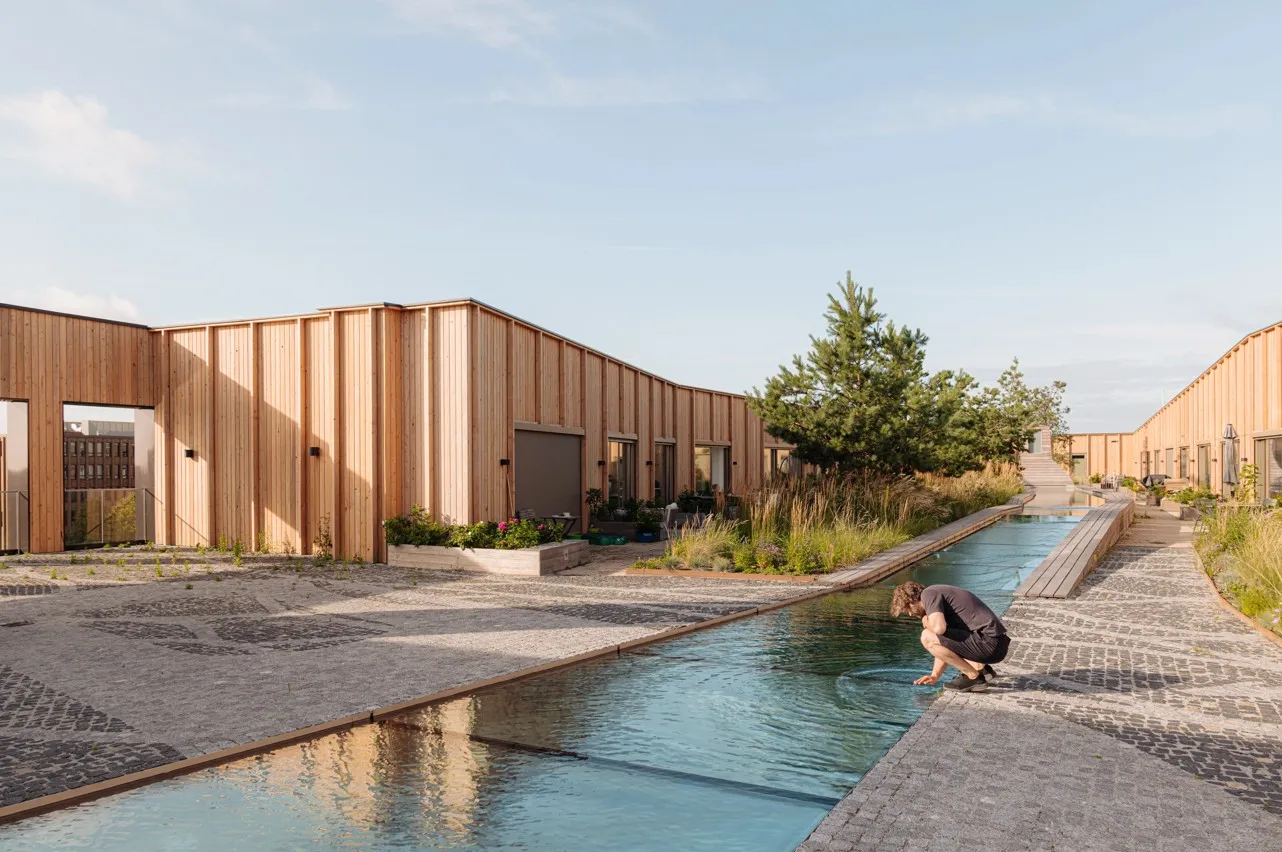
Jonas, Amsterdam IJburg, achieves BREEAM Outstanding for mixed-use development

Case Study
Driving sustainable rail infrastructure with RSSB
Case Study
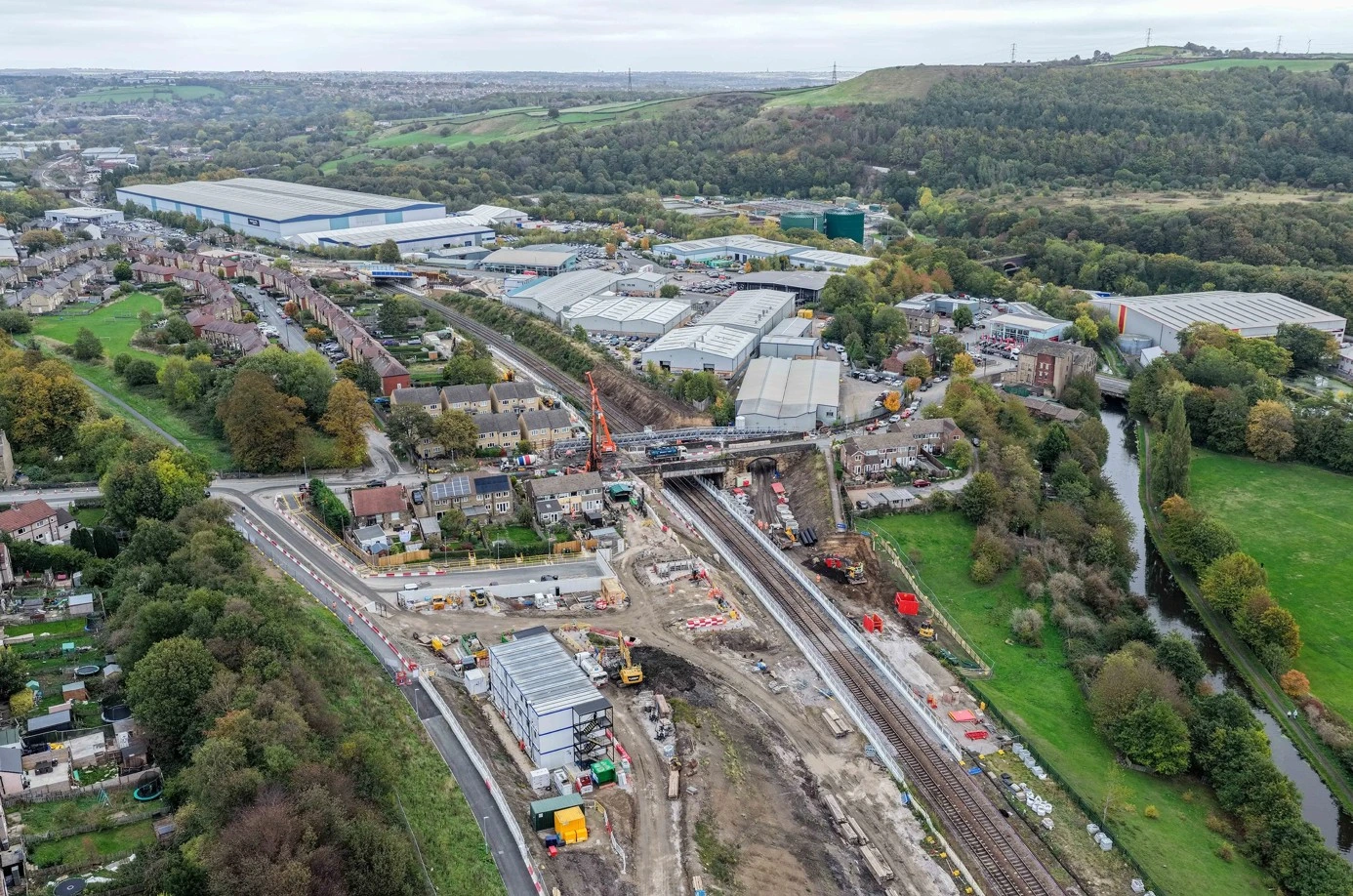
Transpennine Route Upgrade (TRU) Programme BREEAM Infrastructure
Case Study
Low carbon concrete evaluation for Gatwick Airport
Case Study
Carmila Cap Saran Achieves BREEAM In-Use Excellent

Case Study
BREEAM rating of Outstanding for intu Xanadú shopping centre in Madrid

Case Study