
Cart (0)
BRE identify biophilic design opportunities for Kier
Overview & background
Kier Construction contracted BRE to explore the opportunities for biophilic design within their standardised approach to school construction. This follows our earlier review of biophilic design in prisons in 2020.
Biophilic design is an approach that seeks to reconnect people with nature by integrating natural elements and patterns into buildings and urban environments.
BRE used the learnings from the previous study and incorporated this with up-to-date research on biophilia in education and the specific needs of educational environments. The objective being for Kier to include in the key requirements for their future kSchool construction projects to help drive improved satisfaction for students, teachers, staff and the wider community. Kier’s kSchool applies standardised design strategies in a flexible way - to enable the creation of a unique school while still complying with Department for Education (DfE) specifications.
Challenges in schools
In the UK, only 24% of schools provide daily opportunities for students to experience nature, dropping to 18% in more deprived areas (Dillon, 2025). Wellbeing benefits in school design can be limited by budget constraints, space limitations, the cost and maintenance demands of living features such as plants, or a simple lack of awareness of the potential benefits of biophilic design. Schools now also face challenges around increased screentime, decline in mental wellbeing and increased absence rates among students, as well as high levels of workplace stress for teachers and other staff.
Examples of biophilic design:
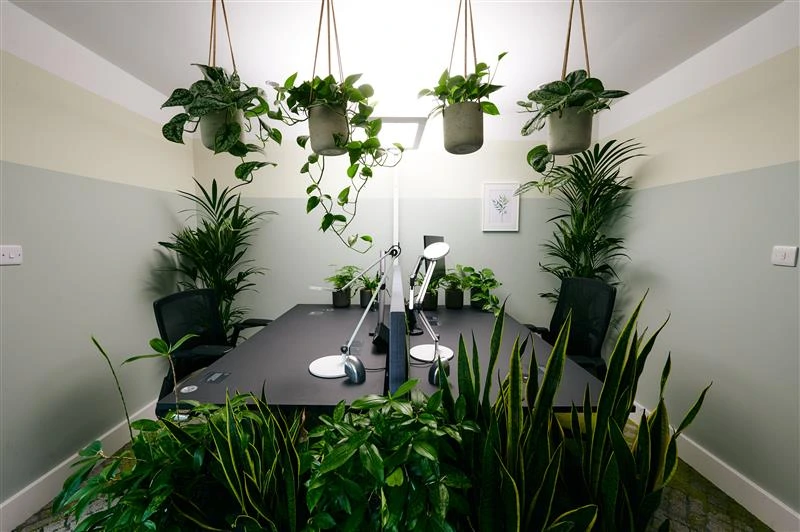
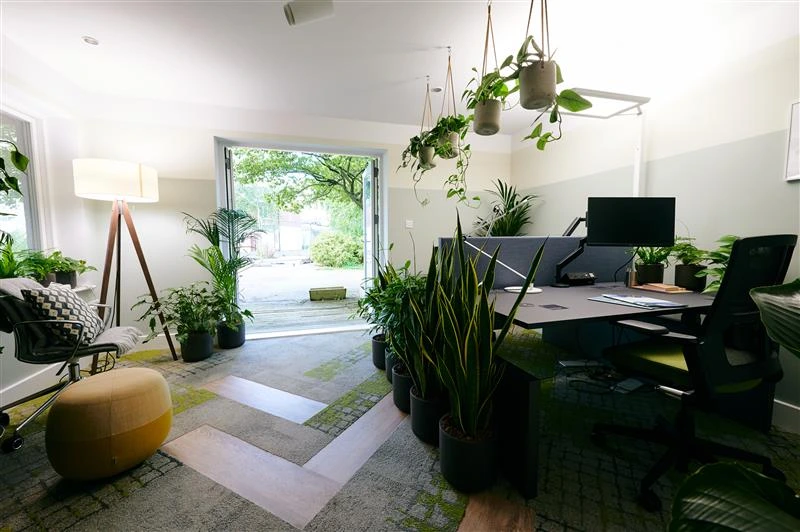
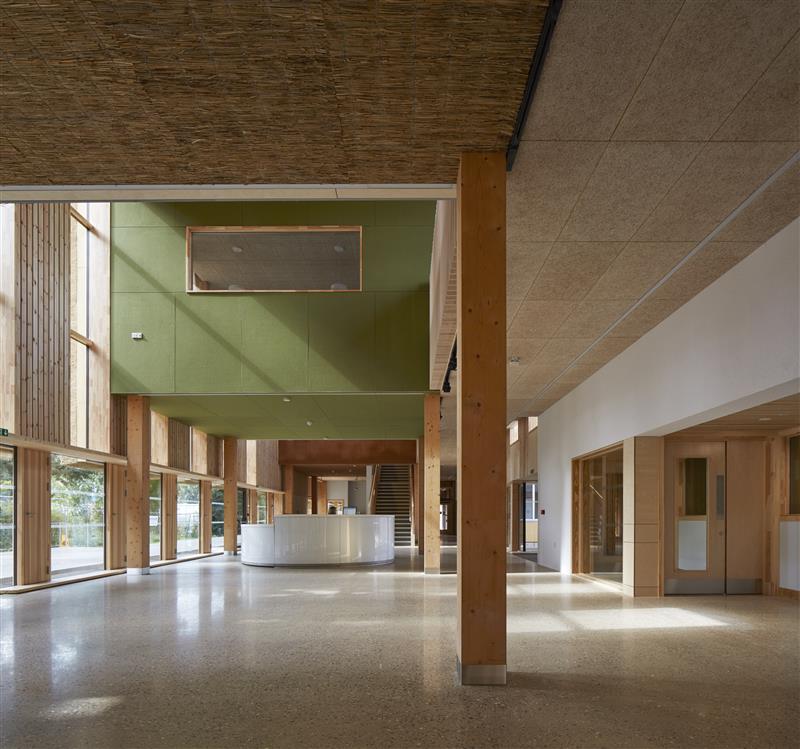
Images 1 & 2 are examples of Biophilic Design from our Biophilic Office research project, designed by Oliver Heath Design.
Our solution
BRE carried out an in-depth analysis of existing information including:
- The science behind nature-based design in education,
- The benefits of biophilic design in a range of different environments and
- Case studies featuring exemplary design.
We also visited a construction site of a Kier kSchool to assess real-world biophilic solutions, understand the importance of building orientation and identify where opportunities could be best integrated with existing design.
We applied these learnings to identify the key opportunities for biophilic design within the Kier kSchool framework. Using a framework of standardised space typologies that can be applied across different projects, we considered design aspects from the structure and layout down to the fit-outs and finishes, including insights on the cost, sustainability and practicality of the measures. BRE presented our findings and recommendations to the Kier education team to raise awareness of biophilic design and foster conversations around its practical implementation.
Outcomes
Some of the recommendations we made to Kier and potential benefits of the recommendations are as follows:
- Natural lighting improves academic performance, mood and attention
- Natural materials and colours reduce stress
- Quieter classrooms are associated with improved performance and attention
- Views to nature equate better attention and cognitive function
- Good Indoor Air Quality and ventilation reduces absenteeism
Schools which incorporate biophilic elements generally report improvements to performance, absenteeism, behaviour and student/staff well-being – and positive responses from students and staff in surveys.
Browse more from our latest case studies:
Case Study
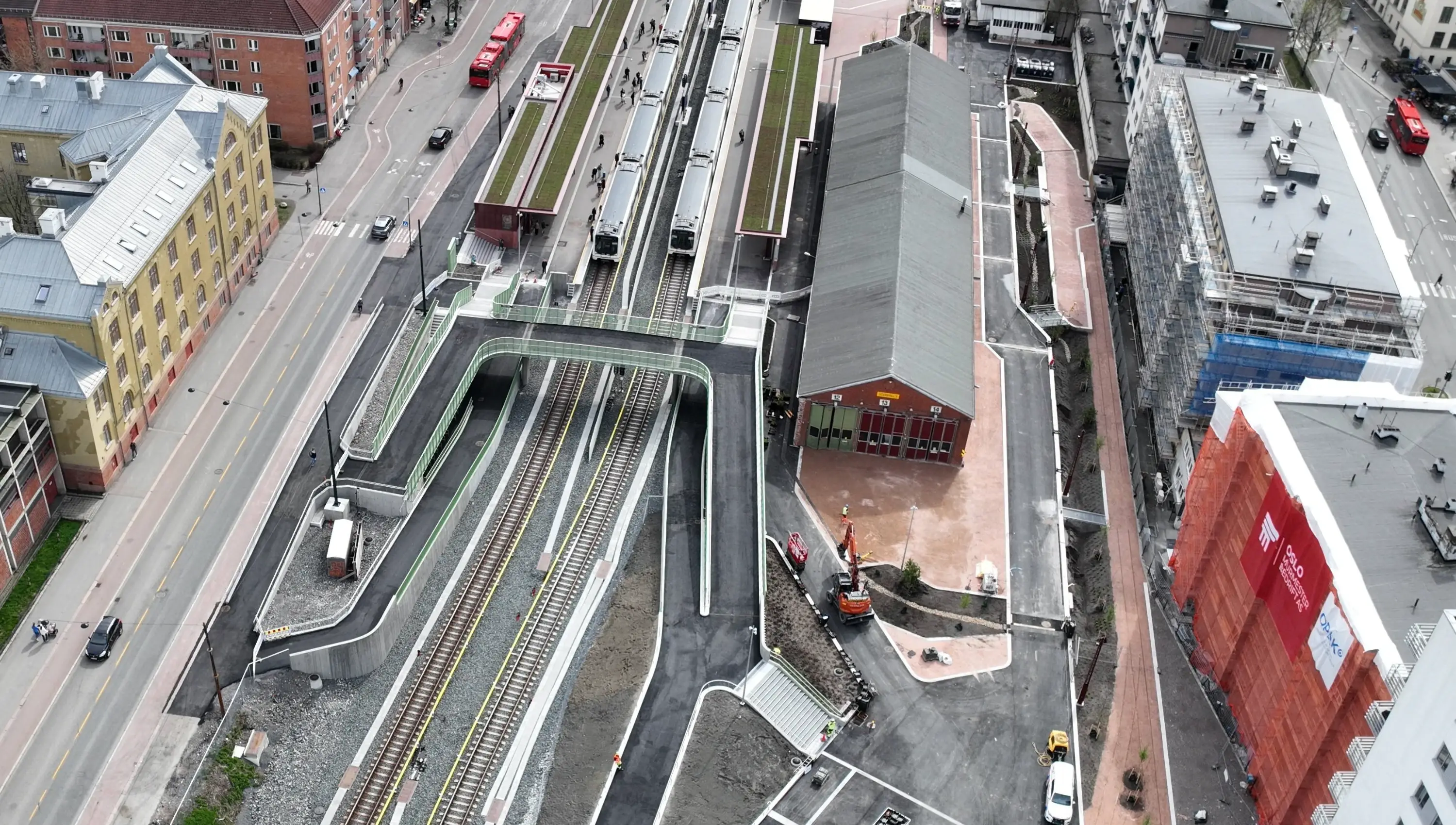
Majorstuen station upgrade in Oslo achieves BREEAM Infrastructure Outstanding

Case Study
LXP Industrial Trust Uses BREEAM as a Framework for Portfolio Progress
Case Study
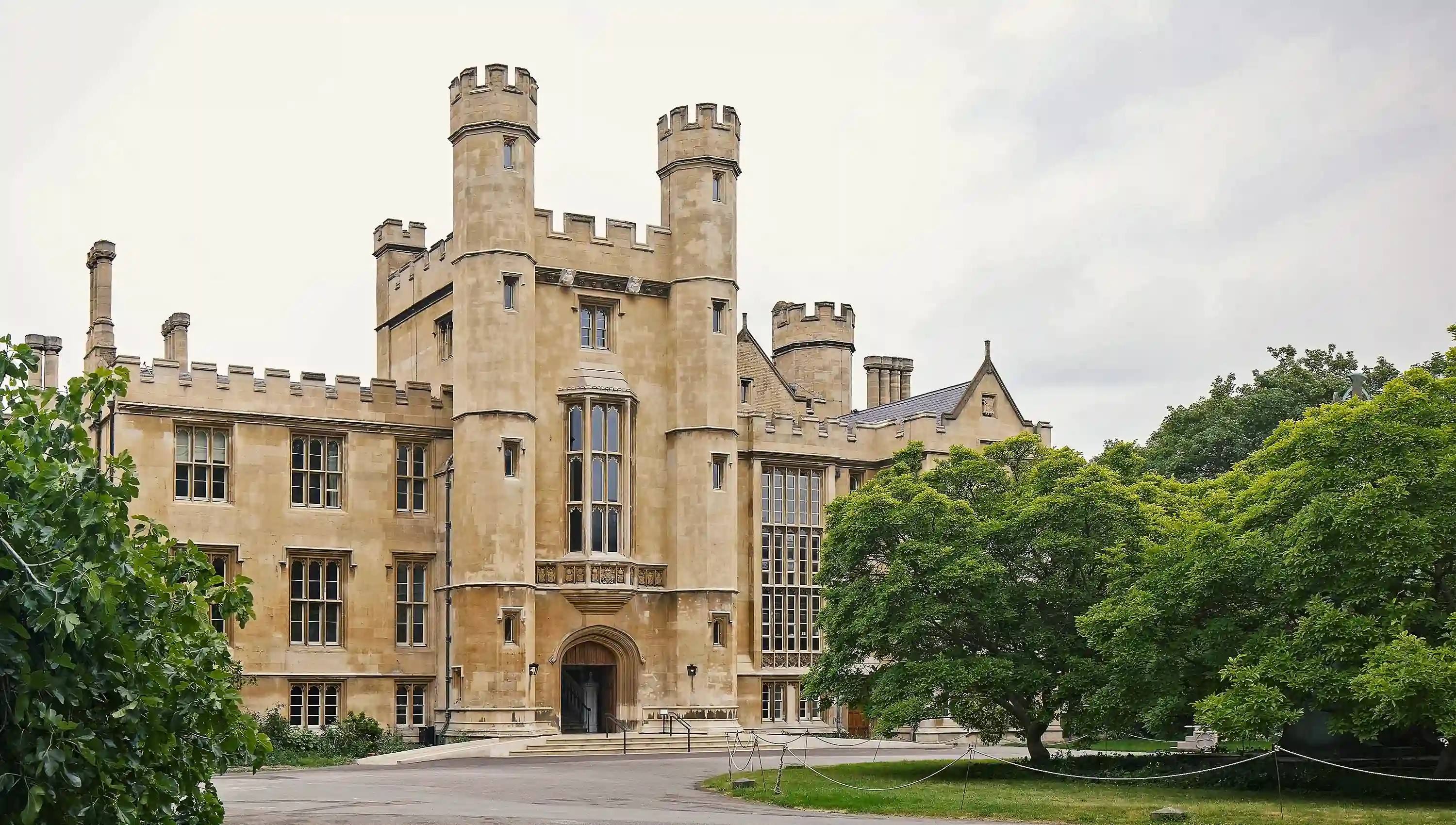
Lambeth Palace achieves BREEAM Excellent following major refurbishment
Case Study
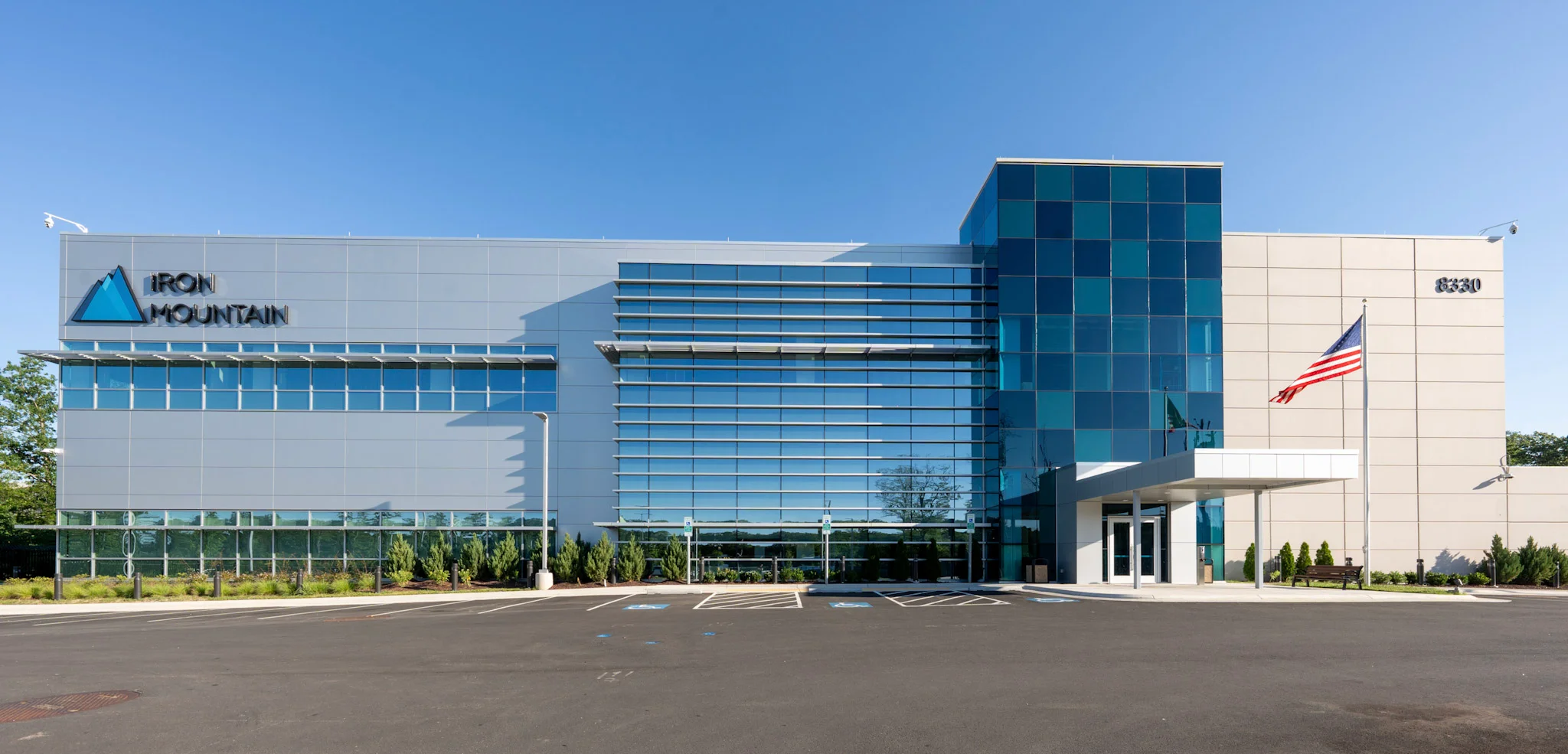
Iron Mountain Advances High-Performance Data Centers with BREEAM
Case Study
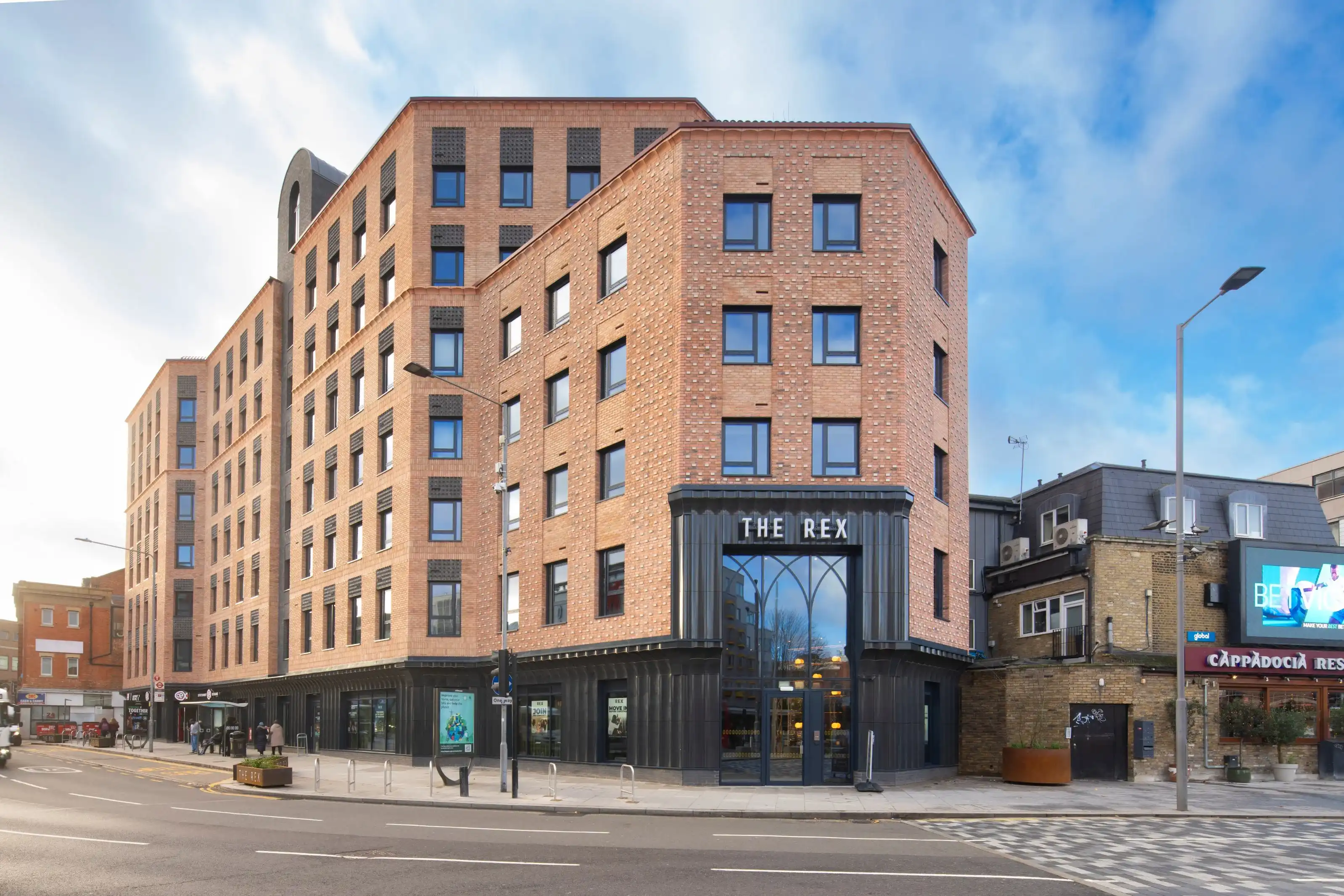
The Rex achieves BREEAM Outstanding, setting a benchmark for sustainable co-living
UK & Ireland
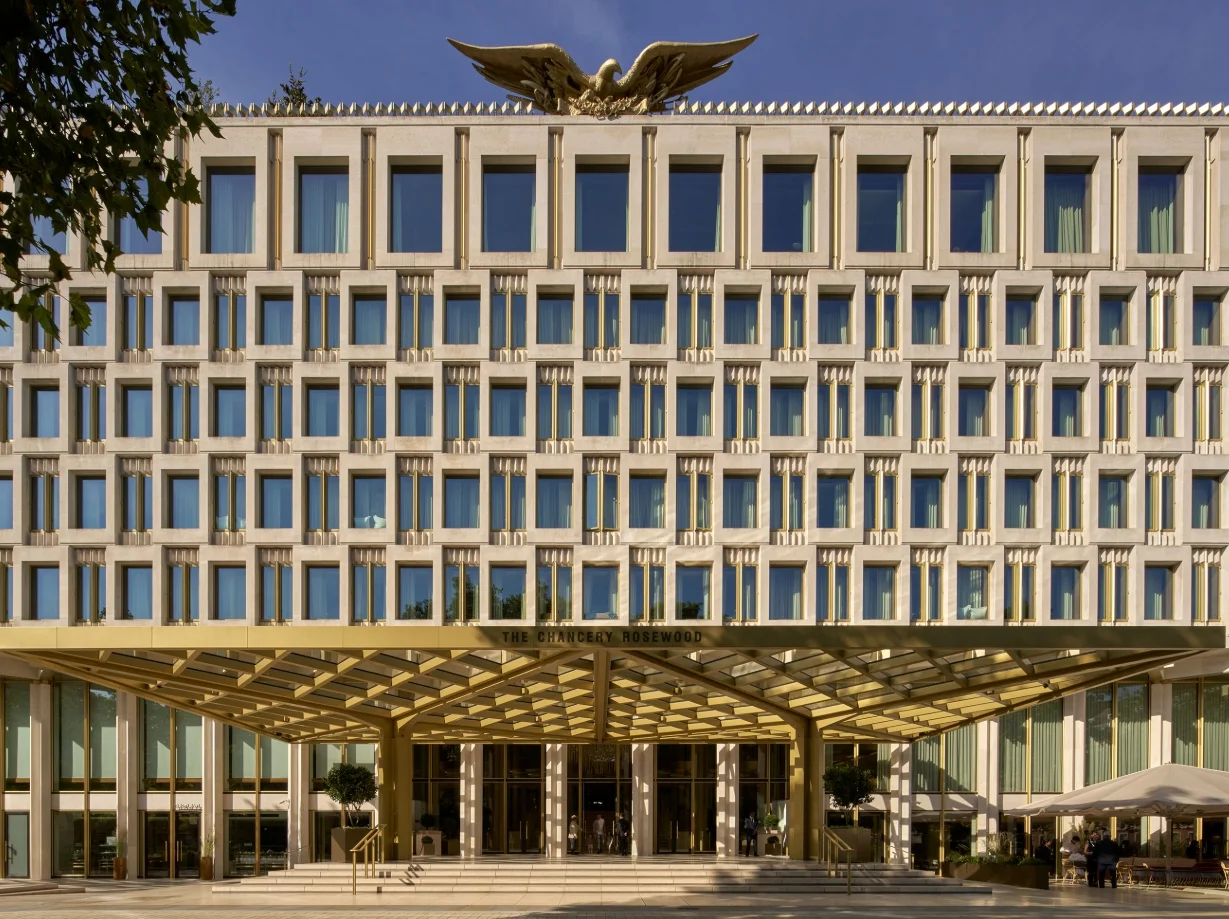
The Chancery Rosewood hotel achieves BREEAM Outstanding for former United States Embassy transformation
Case Study
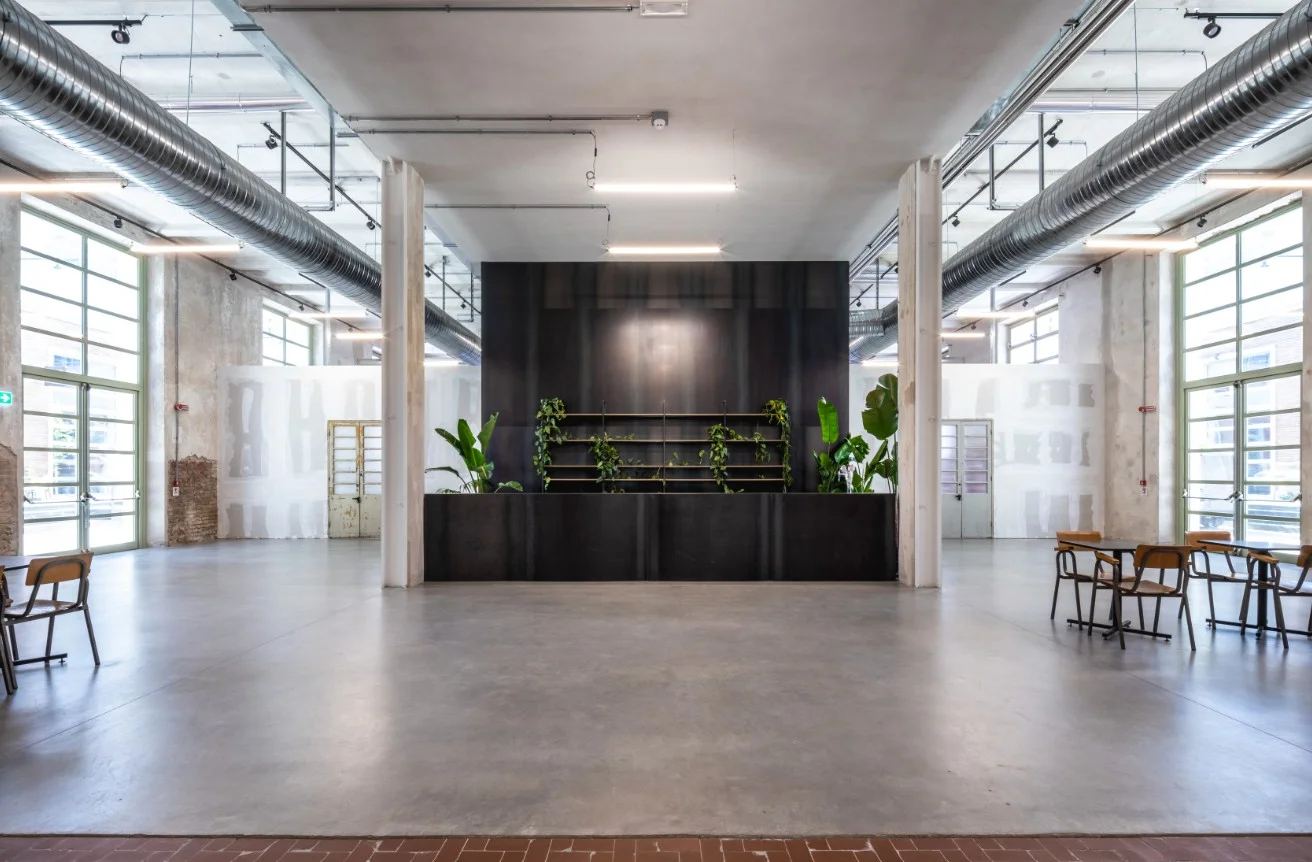
Aermont achieves BREEAM Excellent for Manifattura Tabacchi refurbishment

UK & Ireland